THE ADVENTURE COLLECTIVE® · Independent discovery and booking for outdoor travel

Join a hands-on Sancocho Borracho cooking class in Santo Domingo to learn how to make the Dominican multi-meat stew from scratch. The two-hour experience includes hotel pickup, dinner, two drinks and a lesson in local culinary history.
Join a hands-on Sancocho Borracho cooking class in Santo Domingo to learn how to make the Dominican multi-meat stew from scratch. The two-hour experience includes hotel pickup, dinner, two drinks and a lesson in local culinary history.
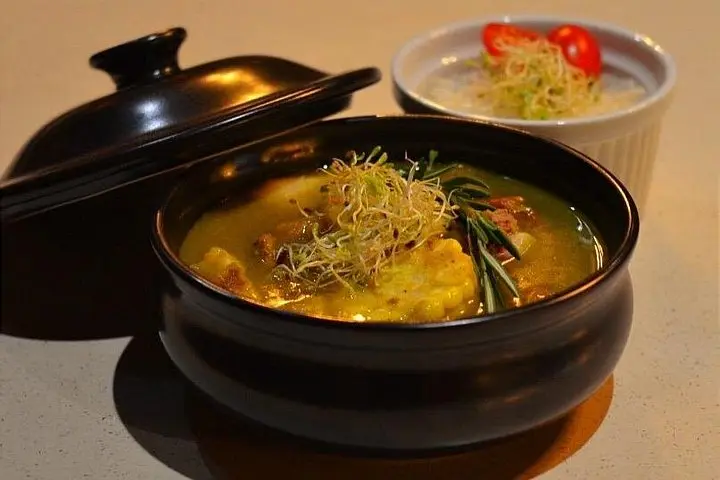
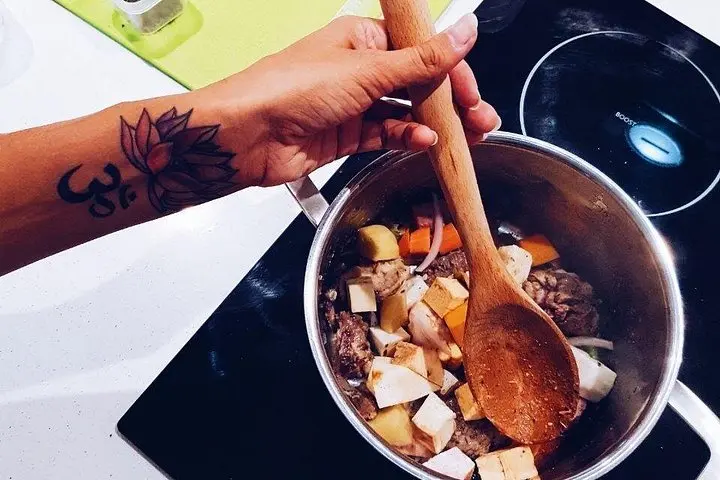
Steam rises from the pot and the kitchen hums with bachata — this is Santo Domingo’s Sancocho Borracho class, where the act of cooking becomes a small, joyful ceremony.
Verified experiences and guided adventures in the surrounding area.
Operated by Oliver Lab - Rum Experience, by Taino Gourmet · Santo Domingo, Distrito Nacional
Steam rises from the pot and the kitchen hums with bachata — this is Santo Domingo’s Sancocho Borracho class, where the act of cooking becomes a small, joyful ceremony.
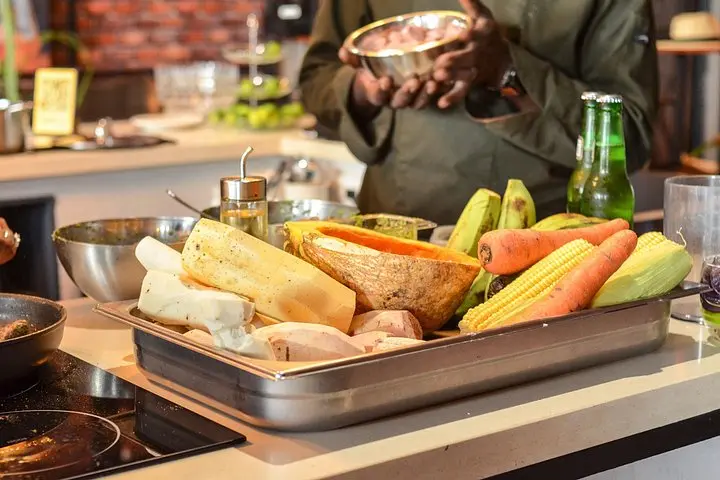
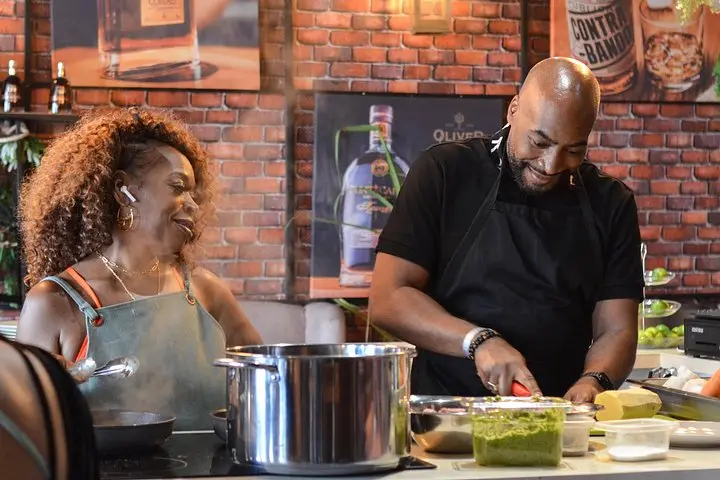
In a compact cooking lab, chefs guide a mixed group through the long-simmer of sancocho, the Dominican multi-meat stew that carries Taíno, African and Spanish influences. You’ll chop yuca, ñame and yautía, learn how plantain’s texture changes in the pot, and balance the broth so the seven meats sing without overpowering the roots. The class mixes culinary history with hands-on technique and a dash of local culture: expect music, shared plates, and two glasses of wine or beer included.
Sancocho traces back to indigenous stews updated by colonial trade and African cooking methods; it’s eaten across the Caribbean with local variations. The lab emphasizes fresh, regional produce and sustainable sourcing — small choices that keep this dish grounded in place and season.
Practicalities are straightforward: the experience runs about two hours, includes hotel pickup and drop-off within Santo Domingo, interpreter support, utensils and dinner. It’s family-friendly and wheelchair-accessible, but children must be accompanied by adults. Wear closed-toe shoes and bring an appetite — portions are generous and traditionally served with rice and avocado, finished with local desserts and liqueurs.
For travelers who want a compact cultural immersion, this class pairs sensory learning with cooking skills you can replicate at home. It’s an approachable, flavorful way to connect with Dominican foodways and leave with a full belly and practical know-how.
Yes — a labeled mini-bus picks up guests about one hour before the class and returns participants to their hotels before midnight.
Children can attend but must be accompanied by an adult; infant meals are not included.
Notify dietary needs at booking; the class uses multiple meats and local roots, and staff can advise on possible substitutions or limitations.
Yes — the cooking lab indicates wheelchair accessibility, but confirm specific pickup and venue access when booking if you have mobility concerns.
Oliver Lab - Rum Experience, by Taino Gourmet operates guided outdoor trips and adventures with an emphasis on safety, stewardship, and memorable experiences.
Steam rises from the pot and the kitchen hums with bachata — this is Santo Domingo’s Sancocho Borracho class, where the act of cooking becomes a small, joyful ceremony.
Steam rises from the pot and the kitchen hums with bachata — this is Santo Domingo’s Sancocho Borracho class, where the act of cooking becomes a small, joyful ceremony.
In a compact cooking lab, chefs guide a mixed group through the long-simmer of sancocho, the Dominican multi-meat stew that carries Taíno, African and Spanish influences. You’ll chop yuca, ñame and yautía, learn how plantain’s texture changes in the pot, and balance the broth so the seven meats sing without overpowering the roots. The class mixes culinary history with hands-on technique and a dash of local culture: expect music, shared plates, and two glasses of wine or beer included.
Sancocho traces back to indigenous stews updated by colonial trade and African cooking methods; it’s eaten across the Caribbean with local variations. The lab emphasizes fresh, regional produce and sustainable sourcing — small choices that keep this dish grounded in place and season.
Practicalities are straightforward: the experience runs about two hours, includes hotel pickup and drop-off within Santo Domingo, interpreter support, utensils and dinner. It’s family-friendly and wheelchair-accessible, but children must be accompanied by adults. Wear closed-toe shoes and bring an appetite — portions are generous and traditionally served with rice and avocado, finished with local desserts and liqueurs.
For travelers who want a compact cultural immersion, this class pairs sensory learning with cooking skills you can replicate at home. It’s an approachable, flavorful way to connect with Dominican foodways and leave with a full belly and practical know-how.