THE ADVENTURE COLLECTIVE® · Independent discovery and booking for outdoor travel

A brisk 4-day trek along the Singalila Ridge from Darjeeling to Sandakphu, this route offers one of the region’s most expansive Himalayan panoramas — including Everest and Kanchenjunga — with tea-house stays and local guides.
A brisk 4-day trek along the Singalila Ridge from Darjeeling to Sandakphu, this route offers one of the region’s most expansive Himalayan panoramas — including Everest and Kanchenjunga — with tea-house stays and local guides.
A thin cold light slices across the ridge as you step out before dawn — prayer flags snap, the air is sharp and the silhouettes of Kanchenjunga and Everest sharpen from black to silver. The trail climbs through mixed oak, rhododendron and bamboo, opening at intervals to knife-edged panoramas that define the Singalila Ridge.
Verified experiences and guided adventures in the surrounding area.
Operated by Ashmita Trek & Tours · Darjeeling, West Bengal
A thin cold light slices across the ridge as you step out before dawn — prayer flags snap, the air is sharp and the silhouettes of Kanchenjunga and Everest sharpen from black to silver. The trail climbs through mixed oak, rhododendron and bamboo, opening at intervals to knife-edged panoramas that define the Singalila Ridge.
The route follows trails used for centuries by traders and local communities linking Nepal, Sikkim and Darjeeling. Geologically the Singalila Ridge is a fold of the lesser Himalaya; its exposed ridgelines give unhindered views of the Greater Himalaya’s highest summits. Culturally the region is Sherpa, Tibetan and Nepali-influenced — teahouse hospitality and simple meals reflect a mountain way of life.
Expect sustained uphill sections (the steep push to Sandakphu is about 4 km), high-altitude exposure near 3,636 m, and trail surfaces that alternate between packed soil, rock steps and narrow ridgelines. Wildlife in Singalila National Park includes red pandas and Himalayan black bears, though sightings are rare; birding is excellent for sunbirds and pheasants.
Practically: allow a full four days for acclimatization and carry layers, water treatment and a headlamp. Mornings deliver the best light for summit views and photography; afternoons can cloud in. Local guides handle permits and lodges — expect basic but warm tea-house accommodation and communal meals. Permit rules restrict certain electronics in protected areas; carry ID and a valid passport. The trek rewards disciplined pacing and simple gear with unmatched Himalayan panoramas.
Yes — entry permits are required and usually arranged by your guide; foreign visitors pay a daily park fee.
The final ridge includes a sustained steep climb (~4 km) and high-elevation exposure; moderate-to-good fitness is recommended.
Tea-house and homestay lodging with basic private or shared rooms and communal meals are standard along the route.
Yes — Sandakphu reaches ~3,636 m; acclimatize properly, ascend conservatively, and report severe symptoms to your guide immediately.
Ashmita Trek & Tours operates guided outdoor trips and adventures with an emphasis on safety, stewardship, and memorable experiences.
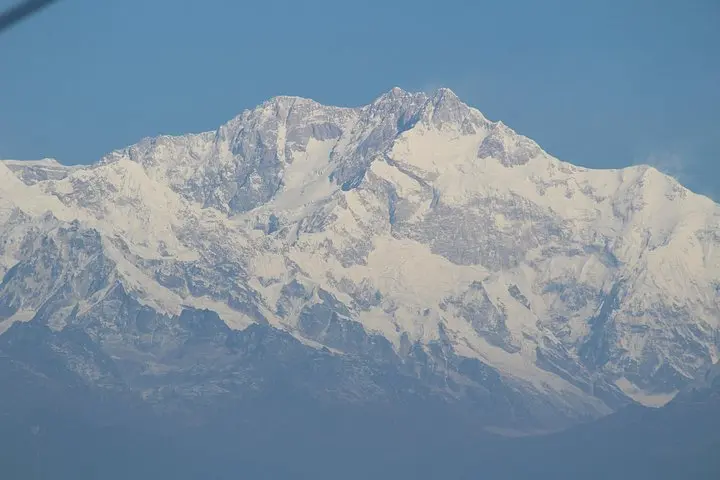
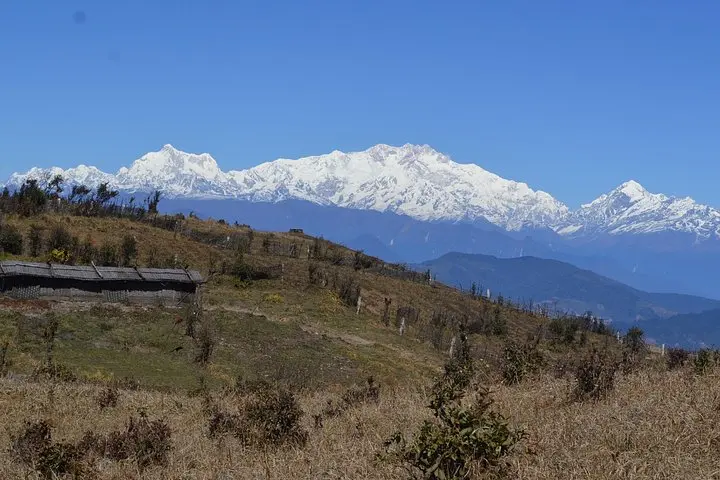
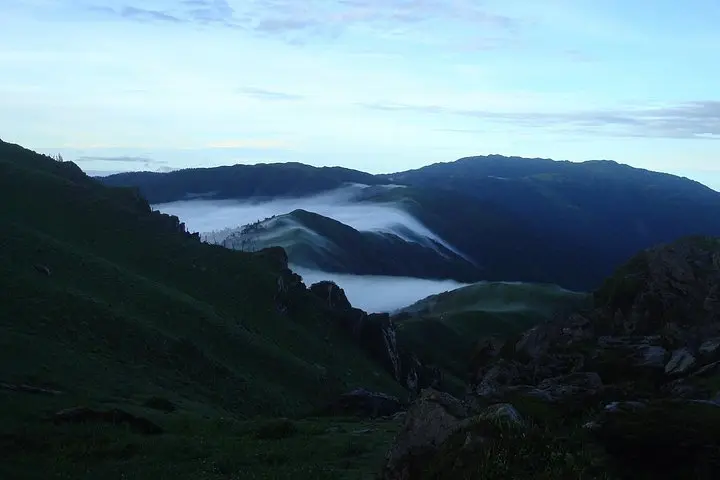
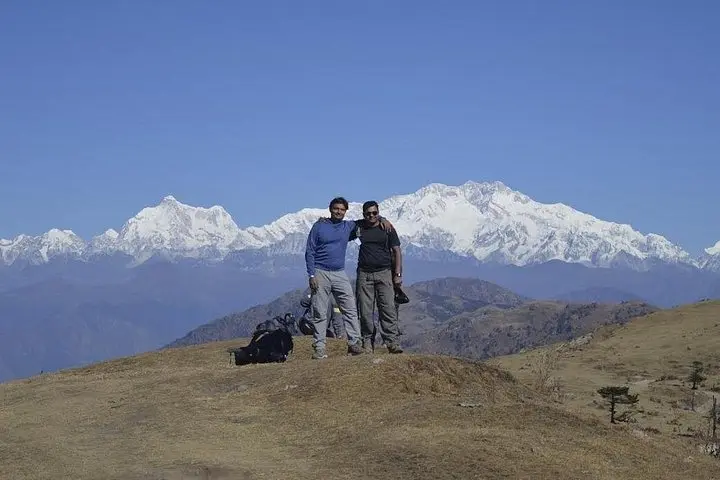
A thin cold light slices across the ridge as you step out before dawn — prayer flags snap, the air is sharp and the silhouettes of Kanchenjunga and Everest sharpen from black to silver. The trail climbs through mixed oak, rhododendron and bamboo, opening at intervals to knife-edged panoramas that define the Singalila Ridge.
A thin cold light slices across the ridge as you step out before dawn — prayer flags snap, the air is sharp and the silhouettes of Kanchenjunga and Everest sharpen from black to silver. The trail climbs through mixed oak, rhododendron and bamboo, opening at intervals to knife-edged panoramas that define the Singalila Ridge.
The route follows trails used for centuries by traders and local communities linking Nepal, Sikkim and Darjeeling. Geologically the Singalila Ridge is a fold of the lesser Himalaya; its exposed ridgelines give unhindered views of the Greater Himalaya’s highest summits. Culturally the region is Sherpa, Tibetan and Nepali-influenced — teahouse hospitality and simple meals reflect a mountain way of life.
Expect sustained uphill sections (the steep push to Sandakphu is about 4 km), high-altitude exposure near 3,636 m, and trail surfaces that alternate between packed soil, rock steps and narrow ridgelines. Wildlife in Singalila National Park includes red pandas and Himalayan black bears, though sightings are rare; birding is excellent for sunbirds and pheasants.
Practically: allow a full four days for acclimatization and carry layers, water treatment and a headlamp. Mornings deliver the best light for summit views and photography; afternoons can cloud in. Local guides handle permits and lodges — expect basic but warm tea-house accommodation and communal meals. Permit rules restrict certain electronics in protected areas; carry ID and a valid passport. The trek rewards disciplined pacing and simple gear with unmatched Himalayan panoramas.