THE ADVENTURE COLLECTIVE® · Independent discovery and booking for outdoor travel

Explore Sankt Gilgen on a private 2‑hour walking tour that links Mozart family history, Baroque architecture, and lakeside panoramas. Perfect for travelers who want an intimate, easy-paced introduction to Lake Wolfgang’s cultural heart.
Explore Sankt Gilgen on a private 2‑hour walking tour that links Mozart family history, Baroque architecture, and lakeside panoramas. Perfect for travelers who want an intimate, easy-paced introduction to Lake Wolfgang’s cultural heart.
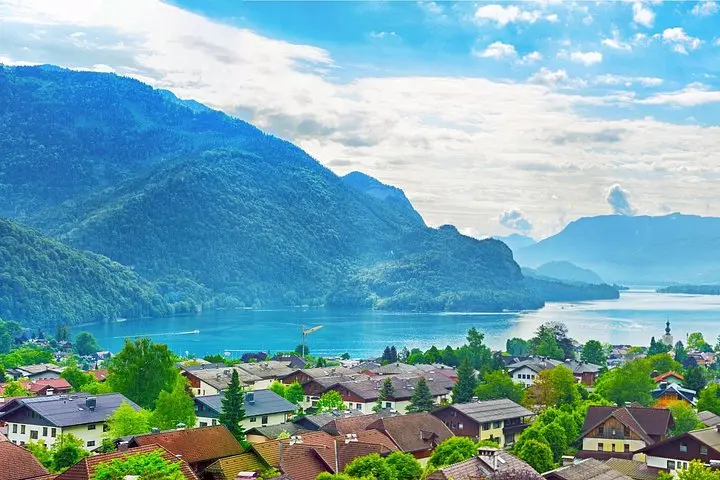
You arrive at the Mozart statue with the lake breathing cool air at your back—ripples bright as coins, the Dachstein and Schafberg ridgelines framing the town like a set. The guide falls into step beside you, and Sankt Gilgen opens as a sequence of short chapters: town center alleys, a small fountain that remembers a famous family, a church that keeps its own silence.
Verified experiences and guided adventures in the surrounding area.
Operated by Opatrip.com Austria · Sankt Gilgen, Salzburg
You arrive at the Mozart statue with the lake breathing cool air at your back—ripples bright as coins, the Dachstein and Schafberg ridgelines framing the town like a set. The guide falls into step beside you, and Sankt Gilgen opens as a sequence of short chapters: town center alleys, a small fountain that remembers a famous family, a church that keeps its own silence.
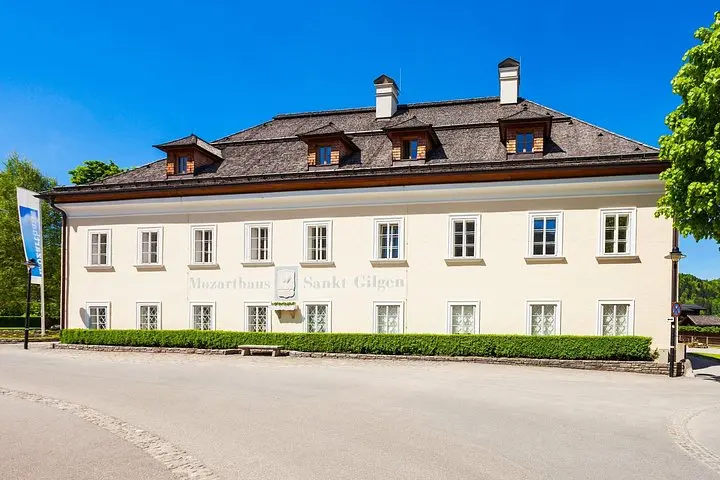
This two-hour private walk threads history and place. Sankt Gilgen sits on the northern shore of Lake Wolfgang, a glacier-sculpted basin in the Salzkammergut; its compact streets grew in the 18th–19th century as summer guests and musicians arrived. The Mozarthaus honors Constanze’s family connections here, while the Parish Church of Saint Egidius displays late-Baroque masonry and community memorials.
Geology is visible in the slope below the town where glacial scours drop to the Seepromenade; the promenade itself is a living edge between alpine runoff and lake ecology. Local culture centers on music, boat travel, and seasonal markets—summer ferries thread the lake, and quiet afternoons often find fishermen and swans sharing the shoreline.
Practical guidance: wear grippy, comfortable walking shoes for cobblestones and lakeside paths, dress in layers for sudden alpine breezes, and plan mornings or late afternoons for softer light and fewer daytrippers. The route is mostly paved and gently graded, making it accessible to most fitness levels. A private guide tailors stops to your interests—ask about a quick ferry hop or a short detour to a quiet viewpoint for photos.
The private tour lasts about two hours and covers roughly 2–3 kilometers on mostly paved surfaces with few short stair sections.
Yes—it's rated easy and suitable for most ages; notify the operator of mobility needs when booking so the route can be adjusted.
This walking tour includes a guide only; any museum admissions or ferry tickets are typically paid locally—ask your guide about options.
Yes, guides commonly speak English; confirm language needs when you book to ensure the right guide for your group.
Opatrip.com Austria operates guided outdoor trips and adventures with an emphasis on safety, stewardship, and memorable experiences.


You arrive at the Mozart statue with the lake breathing cool air at your back—ripples bright as coins, the Dachstein and Schafberg ridgelines framing the town like a set. The guide falls into step beside you, and Sankt Gilgen opens as a sequence of short chapters: town center alleys, a small fountain that remembers a famous family, a church that keeps its own silence.
You arrive at the Mozart statue with the lake breathing cool air at your back—ripples bright as coins, the Dachstein and Schafberg ridgelines framing the town like a set. The guide falls into step beside you, and Sankt Gilgen opens as a sequence of short chapters: town center alleys, a small fountain that remembers a famous family, a church that keeps its own silence.
This two-hour private walk threads history and place. Sankt Gilgen sits on the northern shore of Lake Wolfgang, a glacier-sculpted basin in the Salzkammergut; its compact streets grew in the 18th–19th century as summer guests and musicians arrived. The Mozarthaus honors Constanze’s family connections here, while the Parish Church of Saint Egidius displays late-Baroque masonry and community memorials.
Geology is visible in the slope below the town where glacial scours drop to the Seepromenade; the promenade itself is a living edge between alpine runoff and lake ecology. Local culture centers on music, boat travel, and seasonal markets—summer ferries thread the lake, and quiet afternoons often find fishermen and swans sharing the shoreline.
Practical guidance: wear grippy, comfortable walking shoes for cobblestones and lakeside paths, dress in layers for sudden alpine breezes, and plan mornings or late afternoons for softer light and fewer daytrippers. The route is mostly paved and gently graded, making it accessible to most fitness levels. A private guide tailors stops to your interests—ask about a quick ferry hop or a short detour to a quiet viewpoint for photos.