THE ADVENTURE COLLECTIVE® · Independent discovery and booking for outdoor travel

Slip away from Venice for a slow boat to Sant’Erasmo, where island producers host tastings of jams, honeys, liqueurs and aromatic preparations. Learn local cultivation techniques and buy directly from the growers on this 4–4.5 hour lagoon cruise.
Slip away from Venice for a slow boat to Sant’Erasmo, where island producers host tastings of jams, honeys, liqueurs and aromatic preparations. Learn local cultivation techniques and buy directly from the growers on this 4–4.5 hour lagoon cruise.
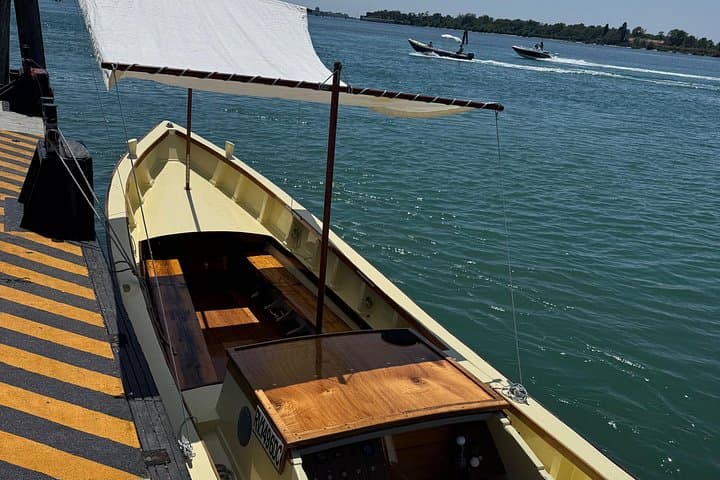
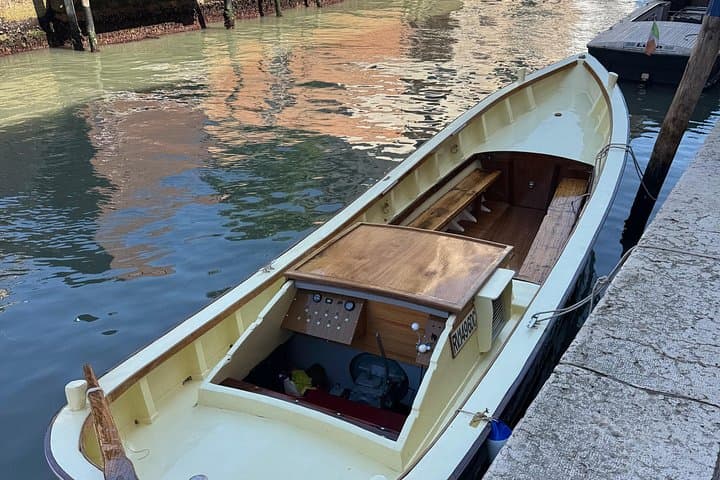
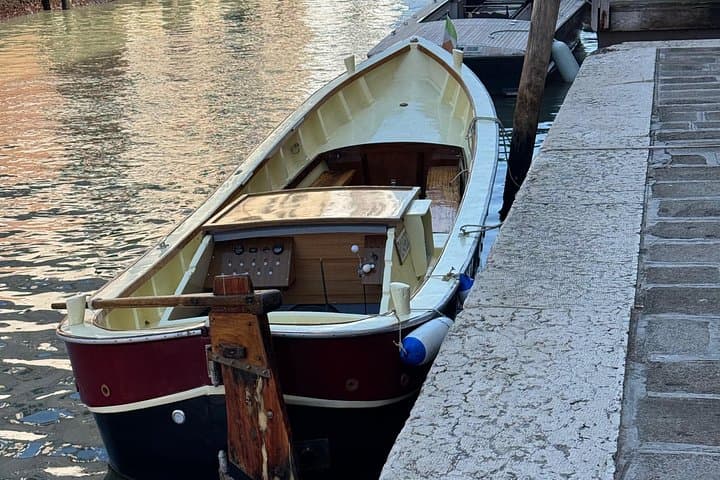
The call of the lagoon arrives first as a breath of salt and reed—then the small boat slips from Piazzale Roma and eases into channels that forget the city. Waves thin, the horizon widens, and Sant’Erasmo appears like a cultivated patchwork rising from shallow water: market gardens, low stone walls, and the upright stems of artichokes and aromatic herbs.
Verified experiences and guided adventures in the surrounding area.
Operated by Tortuga Boat Tours · Venice, Veneto
The call of the lagoon arrives first as a breath of salt and reed—then the small boat slips from Piazzale Roma and eases into channels that forget the city. Waves thin, the horizon widens, and Sant’Erasmo appears like a cultivated patchwork rising from shallow water: market gardens, low stone walls, and the upright stems of artichokes and aromatic herbs.
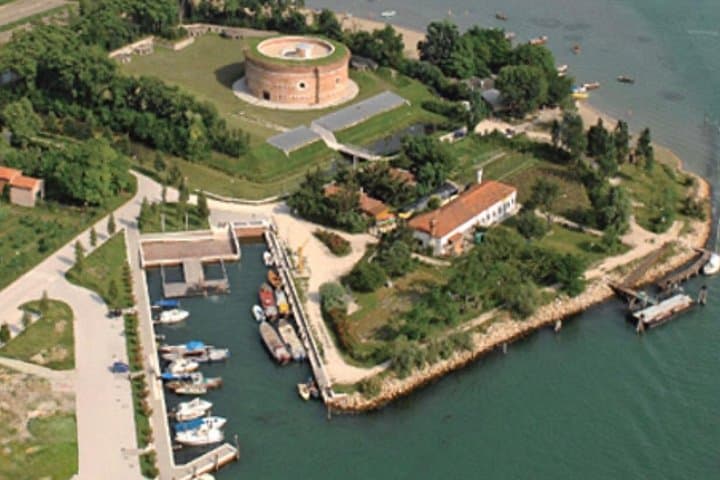
Sant’Erasmo has fed Venice for centuries. The island’s soils—riverine silts and lagoon clays laid down by the Po and Adige—support vegetable plots and medicinal plants that locals have tended since the Renaissance. Fortifications and nearby military islands such as Certosa and Fort Sant’Andrea mark a layered past of defense, trade, and island agriculture.
The stop at the local association is conversational and direct: producers explain pruning, salt tolerance, and the distillation of essential oils while you taste jams, honeys, herbal liqueurs and compotes made from island-grown fruit. The experience emphasizes low-tech craft and seasonal cycles rather than haute cuisine—this is place-based eating, paired with the slow sway of the lagoon.
Practicalities: tours run about 4–4.5 hours and include boat transfers; wear stable shoes for short dock steps and expect sun and wind exposure. Bring cash or card for purchases, a light jacket for the crossing, and water—tastings are small portions. Morning departures are cooler and quieter; afternoons offer warmer light on the gardens. For travelers seeking a tactile connection to Venice’s food history, the Sant’Erasmo tasting cruise is an approachable, low-effort way to meet the people who still grow salt-hardy produce in the lagoon.
The full experience is about 4–4.5 hours, including boat transfers and a two-hour stop with tastings.
Yes, producers usually sell jams, honeys, liqueurs and essential oils directly during the stop.
Infants and small children can use strollers, but expect short dock steps; infants must sit on a lap.
Producers can describe ingredients, but the tasting portions are fixed—notify the operator in advance for specific needs.
Tortuga Boat Tours operates guided outdoor trips and adventures with an emphasis on safety, stewardship, and memorable experiences.
The call of the lagoon arrives first as a breath of salt and reed—then the small boat slips from Piazzale Roma and eases into channels that forget the city. Waves thin, the horizon widens, and Sant’Erasmo appears like a cultivated patchwork rising from shallow water: market gardens, low stone walls, and the upright stems of artichokes and aromatic herbs.
The call of the lagoon arrives first as a breath of salt and reed—then the small boat slips from Piazzale Roma and eases into channels that forget the city. Waves thin, the horizon widens, and Sant’Erasmo appears like a cultivated patchwork rising from shallow water: market gardens, low stone walls, and the upright stems of artichokes and aromatic herbs.
Sant’Erasmo has fed Venice for centuries. The island’s soils—riverine silts and lagoon clays laid down by the Po and Adige—support vegetable plots and medicinal plants that locals have tended since the Renaissance. Fortifications and nearby military islands such as Certosa and Fort Sant’Andrea mark a layered past of defense, trade, and island agriculture.
The stop at the local association is conversational and direct: producers explain pruning, salt tolerance, and the distillation of essential oils while you taste jams, honeys, herbal liqueurs and compotes made from island-grown fruit. The experience emphasizes low-tech craft and seasonal cycles rather than haute cuisine—this is place-based eating, paired with the slow sway of the lagoon.
Practicalities: tours run about 4–4.5 hours and include boat transfers; wear stable shoes for short dock steps and expect sun and wind exposure. Bring cash or card for purchases, a light jacket for the crossing, and water—tastings are small portions. Morning departures are cooler and quieter; afternoons offer warmer light on the gardens. For travelers seeking a tactile connection to Venice’s food history, the Sant’Erasmo tasting cruise is an approachable, low-effort way to meet the people who still grow salt-hardy produce in the lagoon.