THE ADVENTURE COLLECTIVE® · Independent discovery and booking for outdoor travel

A four-day classic in Peru’s Cordillera Blanca, the Santa Cruz Trek crosses high passes and glacier-carved valleys from Vaquería to broad Andean plains. Expect mule support, camping, and striking mountain scenery—ideal if you’ve acclimatized and want intensive alpine hiking.
A four-day classic in Peru’s Cordillera Blanca, the Santa Cruz Trek crosses high passes and glacier-carved valleys from Vaquería to broad Andean plains. Expect mule support, camping, and striking mountain scenery—ideal if you’ve acclimatized and want intensive alpine hiking.
Morning light slices across granite spires as you step off the jeep at Vaquería and begin the first slow, breath-steadying ascent. The valley opens—green meadows, waterfalls, and glaciers hanging above like white flags. Over four days the trail pushes through high puna, across the Punta Unión pass, and down into broad dry plains; the mountains feel deliberate, as if the peaks themselves measure your progress.
Verified experiences and guided adventures in the surrounding area.
Operated by Andean Summit Multiservicios S.R.L. · Huaraz, Ancash
Morning light slices across granite spires as you step off the jeep at Vaquería and begin the first slow, breath-steadying ascent. The valley opens—green meadows, waterfalls, and glaciers hanging above like white flags. Over four days the trail pushes through high puna, across the Punta Unión pass, and down into broad dry plains; the mountains feel deliberate, as if the peaks themselves measure your progress.
The Santa Cruz traverse threads together Quechua farming history and Pleistocene-carved geology: moraines, polished granite ridges, and cirques reveal the Cordillera Blanca’s glacial past. Small villages along the route keep pastoral traditions alive—herds, stone corrals, and highland crops—while muleteers and local guides maintain the living logistics of multi-day trekking here.
Expect rocky switchbacks, high camp altitudes (3,800–4,750 m), and a mix of packed earth and scree underfoot. Weather shifts fast; sun can feel intense at altitude and nights drop sharply near the camps. Wildlife is subtle—condors, vizcachas, and ground-dwelling birds animate the slopes.
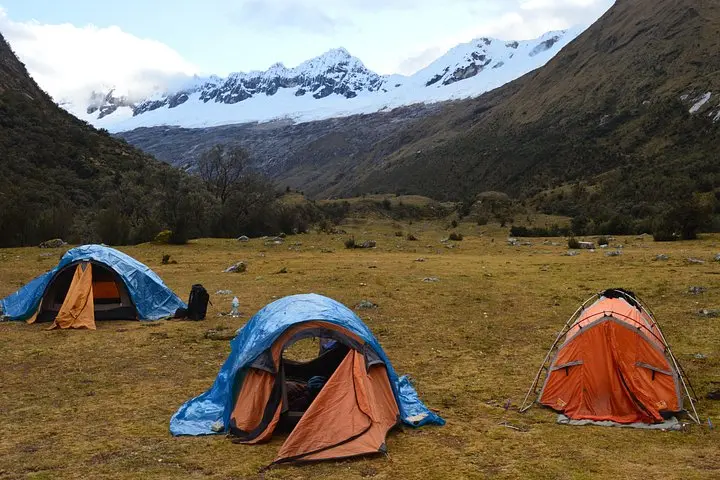
Practically: the operator provides tents, sleeping bags, mule support, and three meals plus lunches; you carry a daypack and personal items. Acclimatize in Huaraz 24–48 hours, pack layered insulation, and plan slower pace on the ascent to Punta Unión. Water is supplied but treat any refills. The route is heavily trodden but still demands good fitness, sensible gear, and respect for high-altitude risks—move deliberately, hydrate consistently, and leave no trace.
No technical climbing is required—this is a high-altitude trek—but you should have multi-day hiking experience and be acclimatized.
The itinerary typically includes camping equipment, sleeping bag (check specs), mule support, and meals listed in the operator’s inclusions.
The dry season (May–September) offers the most stable weather and clearer views; the wet season brings afternoon storms and muddier trails.
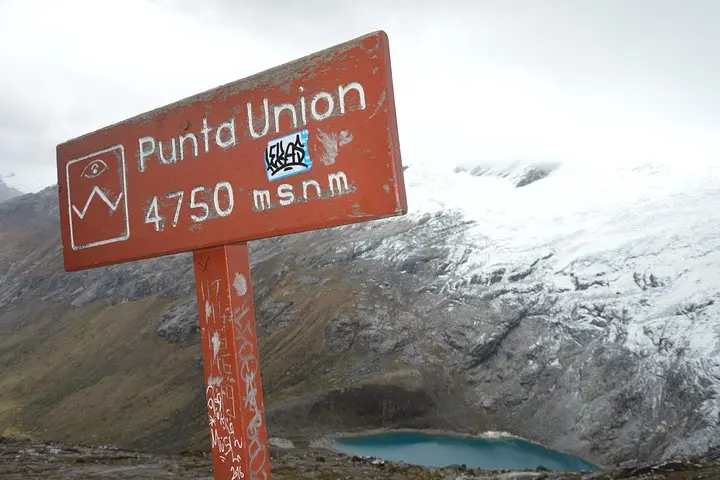
Punta Unión (around 4,700–4,750 m) is the steepest day; expect several hours of ascent at thin air—pace yourself and monitor symptoms of altitude sickness.
Andean Summit Multiservicios S.R.L. operates guided outdoor trips and adventures with an emphasis on safety, stewardship, and memorable experiences.
Morning light slices across granite spires as you step off the jeep at Vaquería and begin the first slow, breath-steadying ascent. The valley opens—green meadows, waterfalls, and glaciers hanging above like white flags. Over four days the trail pushes through high puna, across the Punta Unión pass, and down into broad dry plains; the mountains feel deliberate, as if the peaks themselves measure your progress.
Morning light slices across granite spires as you step off the jeep at Vaquería and begin the first slow, breath-steadying ascent. The valley opens—green meadows, waterfalls, and glaciers hanging above like white flags. Over four days the trail pushes through high puna, across the Punta Unión pass, and down into broad dry plains; the mountains feel deliberate, as if the peaks themselves measure your progress.
The Santa Cruz traverse threads together Quechua farming history and Pleistocene-carved geology: moraines, polished granite ridges, and cirques reveal the Cordillera Blanca’s glacial past. Small villages along the route keep pastoral traditions alive—herds, stone corrals, and highland crops—while muleteers and local guides maintain the living logistics of multi-day trekking here.
Expect rocky switchbacks, high camp altitudes (3,800–4,750 m), and a mix of packed earth and scree underfoot. Weather shifts fast; sun can feel intense at altitude and nights drop sharply near the camps. Wildlife is subtle—condors, vizcachas, and ground-dwelling birds animate the slopes.
Practically: the operator provides tents, sleeping bags, mule support, and three meals plus lunches; you carry a daypack and personal items. Acclimatize in Huaraz 24–48 hours, pack layered insulation, and plan slower pace on the ascent to Punta Unión. Water is supplied but treat any refills. The route is heavily trodden but still demands good fitness, sensible gear, and respect for high-altitude risks—move deliberately, hydrate consistently, and leave no trace.