THE ADVENTURE COLLECTIVE® · Independent discovery and booking for outdoor travel

A compact, high-altitude loop through the Cordillera Blanca, the 4-day Santa Cruz Trek packs towering peaks, turquoise lagoons and traditional Andean campsites into a classic Andean backpacking route. Read on for what to expect and how to prepare.
A compact, high-altitude loop through the Cordillera Blanca, the 4-day Santa Cruz Trek packs towering peaks, turquoise lagoons and traditional Andean campsites into a classic Andean backpacking route. Read on for what to expect and how to prepare.
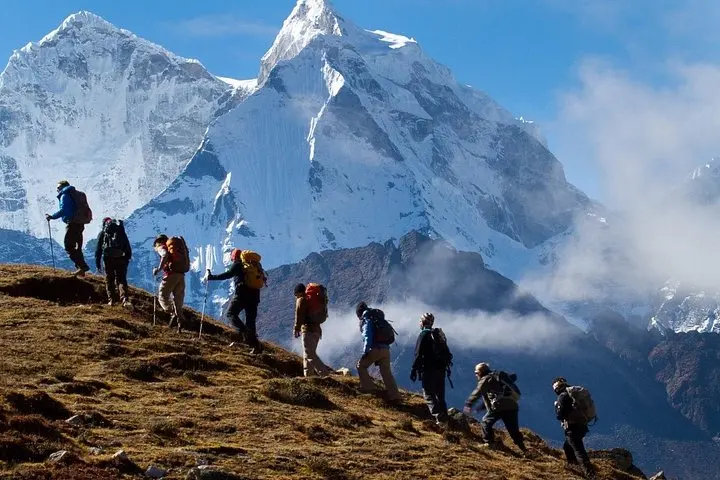
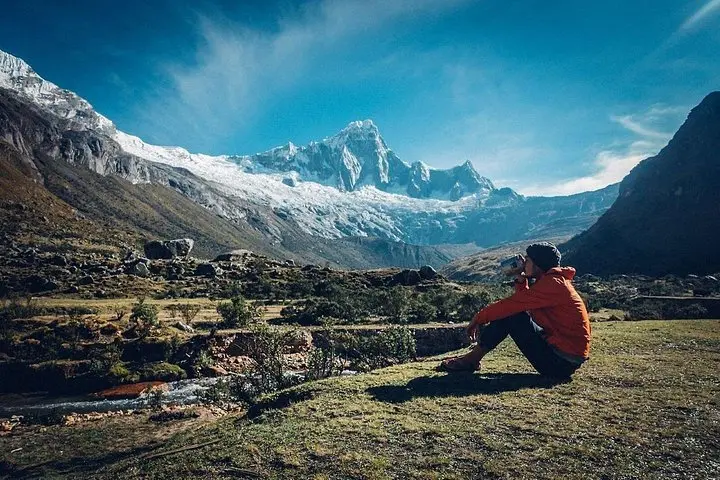
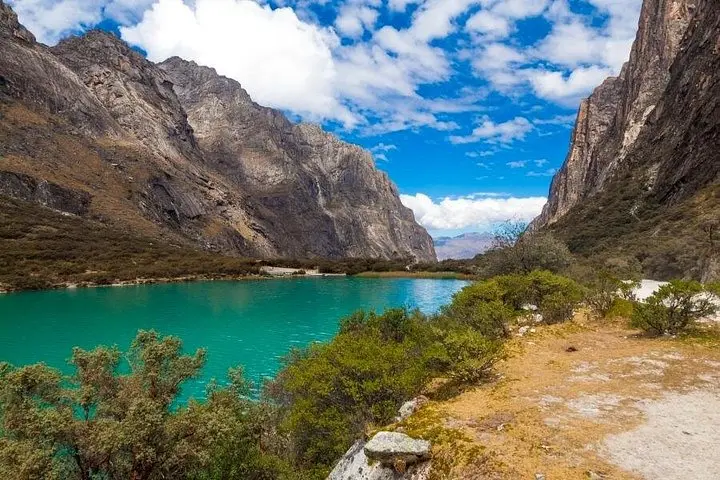
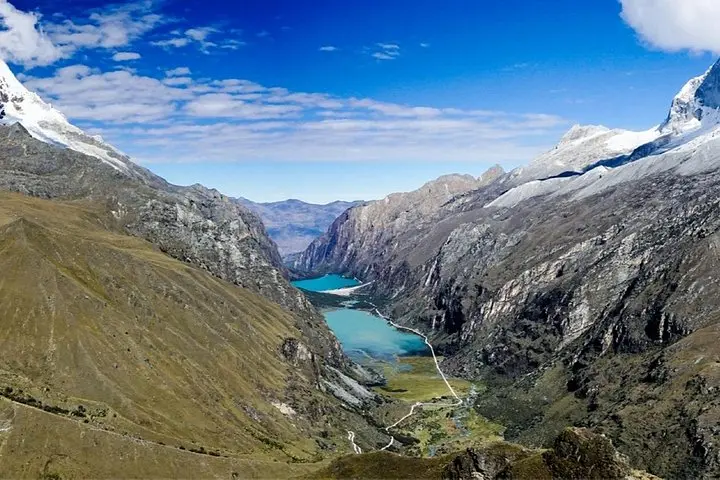
A thin mountain wind pushes dust from the track as you crest a grassy knoll and the first horseshoe of blue lagoons appears below, ringed by serrated granite and permanent snow. On the Santa Cruz Trek the trail negotiates ancient Inca routes, rushing highland streams and campsites that open onto towering faces — the kind of landscape that narrows attention to breath and footing.
Verified experiences and guided adventures in the surrounding area.
Operated by IZI PERU · Huaraz, Ancash
A thin mountain wind pushes dust from the track as you crest a grassy knoll and the first horseshoe of blue lagoons appears below, ringed by serrated granite and permanent snow. On the Santa Cruz Trek the trail negotiates ancient Inca routes, rushing highland streams and campsites that open onto towering faces — the kind of landscape that narrows attention to breath and footing.
The route follows a valley carved by glaciers in the Cordillera Blanca, part of the Andes’ youngest, steepest range. Geologically recent uplift produced granite ridges and hanging valleys that collect turquoise lagoons — ichiccocha and hatuncocha among them — while local Quechua communities have grazed llamas and built stone hamlets here for centuries. Alpamayo and Artesonraju dominate the skyline; their glacial gullies feed clear rivers that dare you to pause.
Practically, the classic 4-day itinerary covers about 42 km with a high point at Punta Unión (4,750 m). Expect well-marked trails, daily camps at named sites (Llamacorral, Taullipampa, Cachinapampa) and support from arrieros and donkeys carrying communal gear; you carry a small daypack. Weather can flip from sun to sleet; slow, steady pacing and hydration reduce altitude strain. Aim for light, layered clothing, good ankle-support boots, trekking poles for the long ascent on day three, and an insulated sleeping bag rated for near-freezing nights.
Leave no trace: these high puna ecosystems recover slowly. With planning and respect, the Santa Cruz Trek delivers concentrated high-mountain scenery and cultural encounters in one compact, doable loop.
It’s the longest and steepest day—expect sustained uphill for several hours to 4,750 m; go slow, use poles, and rest frequently.
Guides are strongly recommended for logistics and safety; no special permits required beyond park entrance fees managed locally.
Yes — arrieros transport communal gear and personal luggage (typically up to ~8 kg per person) while you carry essentials.
April–May and September–November offer the most stable weather and best visibility; December–March is rainy season.
IZI PERU operates guided outdoor trips and adventures with an emphasis on safety, stewardship, and memorable experiences.
A thin mountain wind pushes dust from the track as you crest a grassy knoll and the first horseshoe of blue lagoons appears below, ringed by serrated granite and permanent snow. On the Santa Cruz Trek the trail negotiates ancient Inca routes, rushing highland streams and campsites that open onto towering faces — the kind of landscape that narrows attention to breath and footing.
A thin mountain wind pushes dust from the track as you crest a grassy knoll and the first horseshoe of blue lagoons appears below, ringed by serrated granite and permanent snow. On the Santa Cruz Trek the trail negotiates ancient Inca routes, rushing highland streams and campsites that open onto towering faces — the kind of landscape that narrows attention to breath and footing.
The route follows a valley carved by glaciers in the Cordillera Blanca, part of the Andes’ youngest, steepest range. Geologically recent uplift produced granite ridges and hanging valleys that collect turquoise lagoons — ichiccocha and hatuncocha among them — while local Quechua communities have grazed llamas and built stone hamlets here for centuries. Alpamayo and Artesonraju dominate the skyline; their glacial gullies feed clear rivers that dare you to pause.
Practically, the classic 4-day itinerary covers about 42 km with a high point at Punta Unión (4,750 m). Expect well-marked trails, daily camps at named sites (Llamacorral, Taullipampa, Cachinapampa) and support from arrieros and donkeys carrying communal gear; you carry a small daypack. Weather can flip from sun to sleet; slow, steady pacing and hydration reduce altitude strain. Aim for light, layered clothing, good ankle-support boots, trekking poles for the long ascent on day three, and an insulated sleeping bag rated for near-freezing nights.
Leave no trace: these high puna ecosystems recover slowly. With planning and respect, the Santa Cruz Trek delivers concentrated high-mountain scenery and cultural encounters in one compact, doable loop.