THE ADVENTURE COLLECTIVE® · Independent discovery and booking for outdoor travel

Spend 5–7 hours tasting across three to five wineries with door-to-door pickup from Santa Fe. This small-group tour pairs local history and hearty New Mexican lunch with guided tastings—tasting fees paid separately.
Spend 5–7 hours tasting across three to five wineries with door-to-door pickup from Santa Fe. This small-group tour pairs local history and hearty New Mexican lunch with guided tastings—tasting fees paid separately.
Late morning sunlight pushes across Pueblo-style rooftops as a minivan slides through Santa Fe’s quiet streets, guests trading stories and the driver mapping out an afternoon of tasting rooms and open desert sky. The pace is deliberate—sip, learn, move on—so the landscape never feels rushed: low piñon ridgelines, scrub hills, and the Rio Grande valley’s softer, irrigated flats where New Mexico’s vineyards take root.
Verified experiences and guided adventures in the surrounding area.
Operated by New Mexico Wine Tours · Santa Fe, New Mexico
Late morning sunlight pushes across Pueblo-style rooftops as a minivan slides through Santa Fe’s quiet streets, guests trading stories and the driver mapping out an afternoon of tasting rooms and open desert sky. The pace is deliberate—sip, learn, move on—so the landscape never feels rushed: low piñon ridgelines, scrub hills, and the Rio Grande valley’s softer, irrigated flats where New Mexico’s vineyards take root.
Viticulture here reaches back to the 17th century when Spanish missionaries planted grapes, and that history still flavors conversations in tasting rooms that mix adobe architecture with stainless-steel tanks. Geology matters: sandy loam and volcanic-derived soils at varying elevations produce wines with noticeable minerality and high-desert acidity. Culture in Santa Fe pairs wine with strong local food traditions; expect hearty New Mexican lunches that stand up to bigger reds.
Practical guidance: tours typically last 5–7 hours and visit three to five wineries; tasting fees are usually extra (group options available for three or five stops). Door-to-door pickup around Santa Fe simplifies logistics, but bring photo ID for tastings and plan for slow afternoons—hydrate between flights and wear comfortable shoes for gravel lots and short cellar stairs. If you add a morning activity like rafting or glass blowing, schedule transit time—some add-ons happen before tasting.
This is a social, low-impact day on the land; the reward is less about altitude gain and more about a grounded, tangible connection to New Mexico’s oldest wine routes.
No — tasting fees are typically paid at the wineries; the tour coordinator will outline costs (often $41 for three stops; about $20 more for five).
Most door-to-door pickup points are included for locations in and around Santa Fe—confirm your pickup during booking and provide an address. IDs are checked at pickup or the first winery.
Yes — select add-ons are possible; rafting typically happens before wine tastings and requires coordinating times with the tour operator. Additional fees and timing apply.
The tour accommodates non-drinkers and infants (strollers and infant seats available), but tasting fees and alcoholic service require adults with ID; notify the operator if you have special needs.
New Mexico Wine Tours operates guided outdoor trips and adventures with an emphasis on safety, stewardship, and memorable experiences.


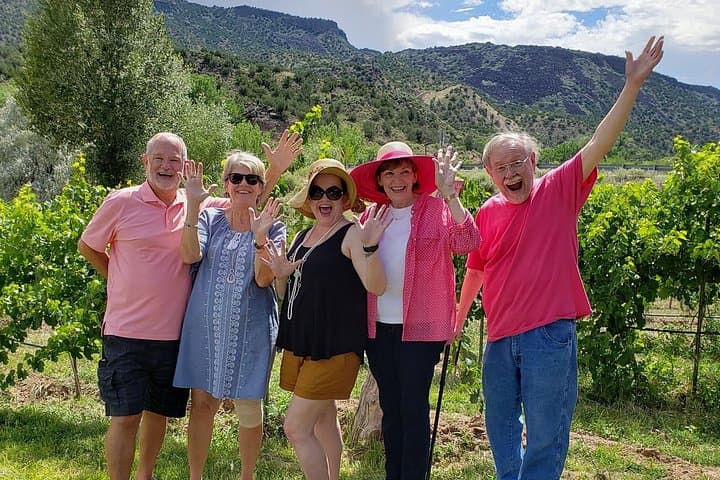

Late morning sunlight pushes across Pueblo-style rooftops as a minivan slides through Santa Fe’s quiet streets, guests trading stories and the driver mapping out an afternoon of tasting rooms and open desert sky. The pace is deliberate—sip, learn, move on—so the landscape never feels rushed: low piñon ridgelines, scrub hills, and the Rio Grande valley’s softer, irrigated flats where New Mexico’s vineyards take root.
Late morning sunlight pushes across Pueblo-style rooftops as a minivan slides through Santa Fe’s quiet streets, guests trading stories and the driver mapping out an afternoon of tasting rooms and open desert sky. The pace is deliberate—sip, learn, move on—so the landscape never feels rushed: low piñon ridgelines, scrub hills, and the Rio Grande valley’s softer, irrigated flats where New Mexico’s vineyards take root.
Viticulture here reaches back to the 17th century when Spanish missionaries planted grapes, and that history still flavors conversations in tasting rooms that mix adobe architecture with stainless-steel tanks. Geology matters: sandy loam and volcanic-derived soils at varying elevations produce wines with noticeable minerality and high-desert acidity. Culture in Santa Fe pairs wine with strong local food traditions; expect hearty New Mexican lunches that stand up to bigger reds.
Practical guidance: tours typically last 5–7 hours and visit three to five wineries; tasting fees are usually extra (group options available for three or five stops). Door-to-door pickup around Santa Fe simplifies logistics, but bring photo ID for tastings and plan for slow afternoons—hydrate between flights and wear comfortable shoes for gravel lots and short cellar stairs. If you add a morning activity like rafting or glass blowing, schedule transit time—some add-ons happen before tasting.
This is a social, low-impact day on the land; the reward is less about altitude gain and more about a grounded, tangible connection to New Mexico’s oldest wine routes.