THE ADVENTURE COLLECTIVE® · Independent discovery and booking for outdoor travel

Taste Santa Marta’s unsung street kitchens on a three-hour walk through Centro. This fast-food tour mixes grilled meats, coastal snacks and family recipes—perfect for curious eaters who want authentic flavors, local context and practical tips for navigating the vendors.
Taste Santa Marta’s unsung street kitchens on a three-hour walk through Centro. This fast-food tour mixes grilled meats, coastal snacks and family recipes—perfect for curious eaters who want authentic flavors, local context and practical tips for navigating the vendors.
The group threads through Centro at midday, the air thick with charred meat, frying oil and citrus. Stalls and tiny storefronts press close; the guide points out a two-deep queue and a stove that’s been running since dawn. This is a walking tour that asks you to move slowly—sip, taste, compare—and let the city do the talking.
Verified experiences and guided adventures in the surrounding area.
Operated by The Flying Dress Santa Marta · Santa Marta, Magdalena
The group threads through Centro at midday, the air thick with charred meat, frying oil and citrus. Stalls and tiny storefronts press close; the guide points out a two-deep queue and a stove that’s been running since dawn. This is a walking tour that asks you to move slowly—sip, taste, compare—and let the city do the talking.
Santa Marta sits on a narrow shelf between the Sierra Nevada de Santa Marta and the Caribbean Sea. Founded in 1525, it’s Colombia’s oldest Spanish settlement, and its food scene reflects layers of Indigenous, African and Spanish influences: coconut rice from coastal harvests, smoky grilled meats from Afro-Colombian kitchens, and quick frituras that travelers eat standing on sidewalks.
Geology frames the experience: the nearby Sierra sends down fresh produce and mountain spices, while the sea supplies fish and palm oil traditions. Culturally, Centro is pragmatic and public—markets and street kitchens operate where residents live and work.
Practical guidance: expect about three hours of mostly flat walking between tight restaurants and market stalls; a small group size keeps transitions quick. Bring cash in small bills, be ready to remove a mask for tasting when required, and pace samples so you hit three to five stops without getting full. Hydrate frequently—Caribbean humidity amplifies heat—and ask about spice levels before committing. The tour is accessible for most fitness levels, but those with cardiovascular issues should consult the operator. Leave room for a final stop: a local sweet or fresh fruit juice that ties the flavors of Santa Marta together.
The tour is about three hours with mostly flat, short walking segments between nearby restaurants and market stalls.
Vendors are traditional—vegetarian and gluten-free options exist but are limited; disclose restrictions when booking so guides can adapt stops.
Yes—small bills and coins are recommended; some vendors may accept card but many are cash-only.
Yes—strollers are accessible and infant seats are available, but be mindful of spice and crowded streets.
The Flying Dress Santa Marta operates guided outdoor trips and adventures with an emphasis on safety, stewardship, and memorable experiences.
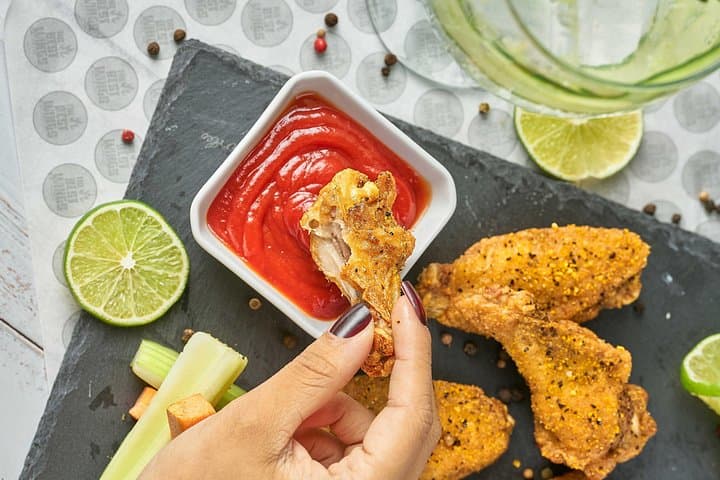
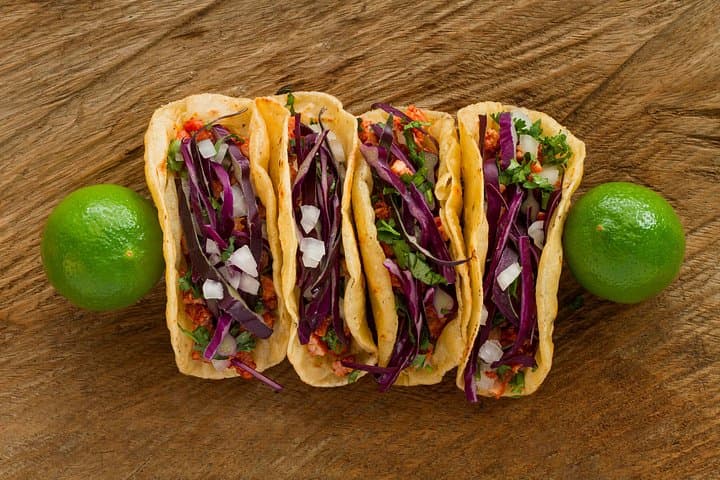
The group threads through Centro at midday, the air thick with charred meat, frying oil and citrus. Stalls and tiny storefronts press close; the guide points out a two-deep queue and a stove that’s been running since dawn. This is a walking tour that asks you to move slowly—sip, taste, compare—and let the city do the talking.
The group threads through Centro at midday, the air thick with charred meat, frying oil and citrus. Stalls and tiny storefronts press close; the guide points out a two-deep queue and a stove that’s been running since dawn. This is a walking tour that asks you to move slowly—sip, taste, compare—and let the city do the talking.
Santa Marta sits on a narrow shelf between the Sierra Nevada de Santa Marta and the Caribbean Sea. Founded in 1525, it’s Colombia’s oldest Spanish settlement, and its food scene reflects layers of Indigenous, African and Spanish influences: coconut rice from coastal harvests, smoky grilled meats from Afro-Colombian kitchens, and quick frituras that travelers eat standing on sidewalks.
Geology frames the experience: the nearby Sierra sends down fresh produce and mountain spices, while the sea supplies fish and palm oil traditions. Culturally, Centro is pragmatic and public—markets and street kitchens operate where residents live and work.
Practical guidance: expect about three hours of mostly flat walking between tight restaurants and market stalls; a small group size keeps transitions quick. Bring cash in small bills, be ready to remove a mask for tasting when required, and pace samples so you hit three to five stops without getting full. Hydrate frequently—Caribbean humidity amplifies heat—and ask about spice levels before committing. The tour is accessible for most fitness levels, but those with cardiovascular issues should consult the operator. Leave room for a final stop: a local sweet or fresh fruit juice that ties the flavors of Santa Marta together.