THE ADVENTURE COLLECTIVE® · Independent discovery and booking for outdoor travel

Spend a half-day walking a flat 2 km trail through Costa Rica’s rare dry tropical forest, then visit La Casona—the historic hacienda and museum that brings 1856 history to life. Wildlife sightings and accessible trails make this an ideal short nature-and-culture outing from Liberia.
Spend a half-day walking a flat 2 km trail through Costa Rica’s rare dry tropical forest, then visit La Casona—the historic hacienda and museum that brings 1856 history to life. Wildlife sightings and accessible trails make this an ideal short nature-and-culture outing from Liberia.
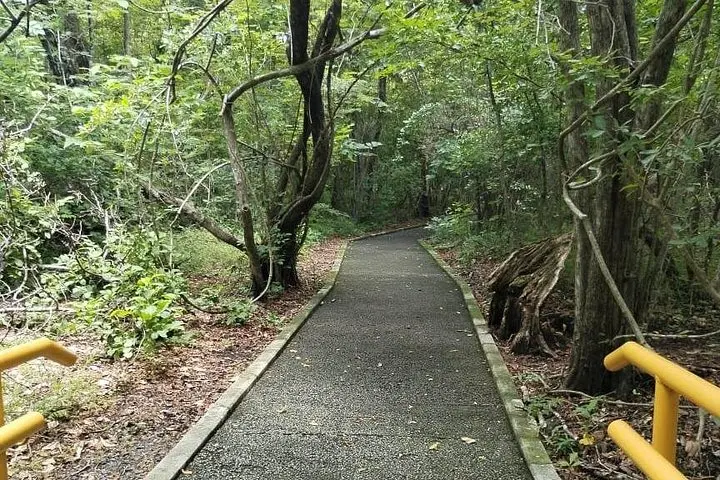
A warm morning on Route 1 unfurls the Guanacaste plains as you head west from Liberia; the highway thins, cattle pastures give way to a ribbon of dry forest and the air smells of sun-warmed leaves. Arriving at Santa Rosa National Park, the trail begins flat and forgiving — a roughly 2 km loop through Mesoamerica’s only remaining tract of dry tropical forest — where ancient trees throw long, sculptural roots across the path and the canopy filters light into dappled gold.
Verified experiences and guided adventures in the surrounding area.
Operated by Costa Rica Excursions Travel · Liberia, Guanacaste
A warm morning on Route 1 unfurls the Guanacaste plains as you head west from Liberia; the highway thins, cattle pastures give way to a ribbon of dry forest and the air smells of sun-warmed leaves. Arriving at Santa Rosa National Park, the trail begins flat and forgiving — a roughly 2 km loop through Mesoamerica’s only remaining tract of dry tropical forest — where ancient trees throw long, sculptural roots across the path and the canopy filters light into dappled gold.
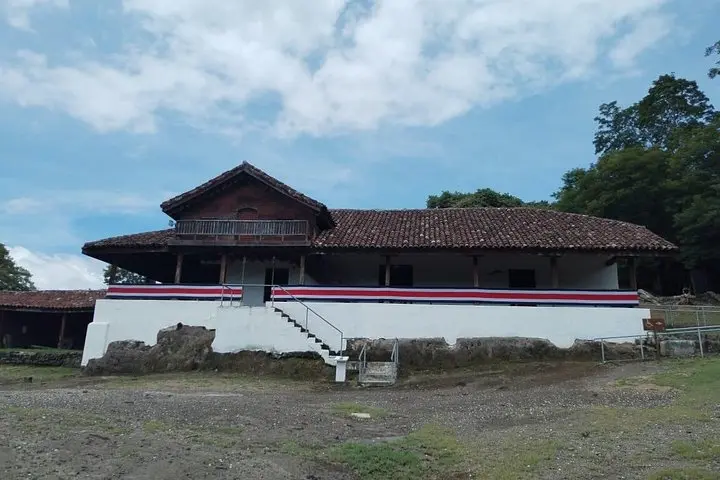
Geology here is quiet but telling: low, rolling volcanic soils that drain quickly, creating the seasonal rhythm of a dry forest that is green then bone-dry then green again. Culture rides alongside nature — the trail finishes at La Casona, the restored hacienda house that played a central role during the 1856 filibuster invasion and now anchors the park’s small museum. Santa Rosa is part of the larger Área de Conservación Guanacaste, a UNESCO-listed effort to protect both terrestrial and coastal habitats, including nesting beaches nearby.
Expect wildlife encounters even on a short visit: coatis and white-tailed deer moving through the understory, hawks circling above, and, on rare sighting, the low, solitary silhouette of a tapir. The walk takes about 2–2.5 hours at a relaxed pace; trails are flat and wheelchair accessible in sections, but soils get slippery when wet. Practical notes: bring plenty of water, sun protection, and a light rain layer during the rainy months. Move quietly, keep distances, and let the forest guide your pace — the park rewards patience with moments of unexpected life and history.
The main walking loop is about 2 km and most guided visits take roughly 2–2.5 hours including the Casona museum.
Sections are wheelchair accessible and the experience is rated easy, but check with providers about vehicle access and specific assisted routes.
Common sightings include coatis, white-tailed deer, hawks and occasional snakes; tapirs are present but rare and shy.
Guided tours are common and helpful for history and wildlife spotting; fees and included taxes are typically part of organized excursions—confirm when booking.
Costa Rica Excursions Travel operates guided outdoor trips and adventures with an emphasis on safety, stewardship, and memorable experiences.
A warm morning on Route 1 unfurls the Guanacaste plains as you head west from Liberia; the highway thins, cattle pastures give way to a ribbon of dry forest and the air smells of sun-warmed leaves. Arriving at Santa Rosa National Park, the trail begins flat and forgiving — a roughly 2 km loop through Mesoamerica’s only remaining tract of dry tropical forest — where ancient trees throw long, sculptural roots across the path and the canopy filters light into dappled gold.
A warm morning on Route 1 unfurls the Guanacaste plains as you head west from Liberia; the highway thins, cattle pastures give way to a ribbon of dry forest and the air smells of sun-warmed leaves. Arriving at Santa Rosa National Park, the trail begins flat and forgiving — a roughly 2 km loop through Mesoamerica’s only remaining tract of dry tropical forest — where ancient trees throw long, sculptural roots across the path and the canopy filters light into dappled gold.
Geology here is quiet but telling: low, rolling volcanic soils that drain quickly, creating the seasonal rhythm of a dry forest that is green then bone-dry then green again. Culture rides alongside nature — the trail finishes at La Casona, the restored hacienda house that played a central role during the 1856 filibuster invasion and now anchors the park’s small museum. Santa Rosa is part of the larger Área de Conservación Guanacaste, a UNESCO-listed effort to protect both terrestrial and coastal habitats, including nesting beaches nearby.
Expect wildlife encounters even on a short visit: coatis and white-tailed deer moving through the understory, hawks circling above, and, on rare sighting, the low, solitary silhouette of a tapir. The walk takes about 2–2.5 hours at a relaxed pace; trails are flat and wheelchair accessible in sections, but soils get slippery when wet. Practical notes: bring plenty of water, sun protection, and a light rain layer during the rainy months. Move quietly, keep distances, and let the forest guide your pace — the park rewards patience with moments of unexpected life and history.