THE ADVENTURE COLLECTIVE® · Independent discovery and booking for outdoor travel

A private minibus from Santa Teresa to Liberia is more than transit: it’s a five‑to‑six‑hour passage across the Nicoya Peninsula through changing coastlines, ranchlands, and variable roads. Read this practical guide to know what to expect, how to pack, and when to schedule your ride.
A private minibus from Santa Teresa to Liberia is more than transit: it’s a five‑to‑six‑hour passage across the Nicoya Peninsula through changing coastlines, ranchlands, and variable roads. Read this practical guide to know what to expect, how to pack, and when to schedule your ride.
The road out of Santa Teresa starts as a rhythm of tires on gravel, palms leaning in like sentries as the coast slips away. In a private minibus the ocean is a companion you glance back at; the landscape ahead climbs and drops through cattle pastures, remnant dry forest, and low mountain ridgelines before turning toward the open highway to Liberia.
Verified experiences and guided adventures in the surrounding area.
Operated by Tropical Tours Shuttles · Santa Teresa, Puntarenas
The road out of Santa Teresa starts as a rhythm of tires on gravel, palms leaning in like sentries as the coast slips away. In a private minibus the ocean is a companion you glance back at; the landscape ahead climbs and drops through cattle pastures, remnant dry forest, and low mountain ridgelines before turning toward the open highway to Liberia.
Geology here is obvious: the Nicoya Peninsula’s volcanic soils and uplifted marine terraces shape the washboard roads and abrupt views. Culturally, you cross from the surf‑and‑yoga micro‑culture of Puntarenas’ southern tip into Guanacaste’s sabanero (ranching) traditions—oxen and ranchos become more common as you head inland. The route frequently uses the Paquera–Puntarenas ferry or drives around via Cobano and Nicoya, so timing and road condition matter: in the rainy season unpaved sections soften and rivers push the pace of travel.
Practical guidance: expect 5–6 hours door‑to‑door depending on ferries and weather; a private transfer gives control over departure time and luggage handling, and infant seats can be requested. Store fragile gear in soft bags, carry motion‑sickness basics, and confirm your pickup point in advance—the village is spread out and GPS pins can be off.
Plan for breaks: short roadside stops offer shade and fresh agua; a longer pause near Vista Hermosa or a local sodita lets you stretch and sample Guanacaste coffee. Keep travel documents and flight times visible—Liberia’s airport procedures are straightforward, but a delayed road section can make the difference between a calm check‑in and a sprint to the gate.
The transfer typically takes 5–6 hours door‑to‑door, depending on road conditions, traffic, and whether the route includes the Paquera–Puntarenas ferry.
Most private minibuses can carry surfboards and larger bags but you should notify the operator at booking so they can allocate space or a roof rack if needed.
Operators may delay or reroute the transfer; cancelation and refund policies usually apply if bad weather prevents a safe trip—confirm the cutoff time for refunds when booking.
You’ll normally be dropped at the airport terminal entrance; confirm if you need assistance with luggage or a different drop point for expedited check‑in.
Tropical Tours Shuttles operates guided outdoor trips and adventures with an emphasis on safety, stewardship, and memorable experiences.
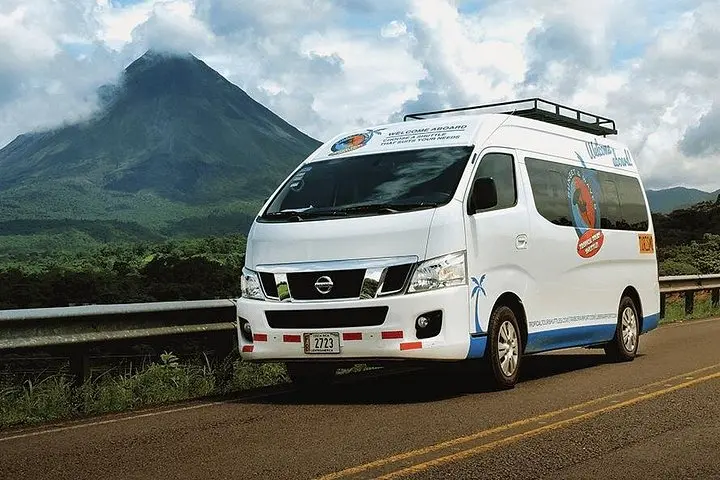
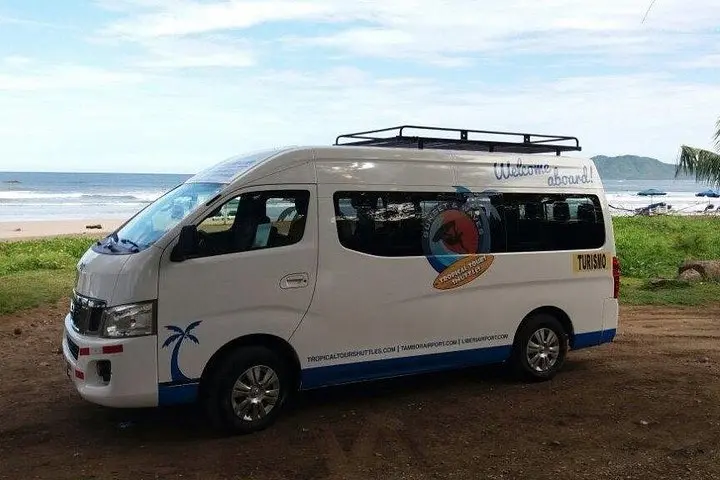
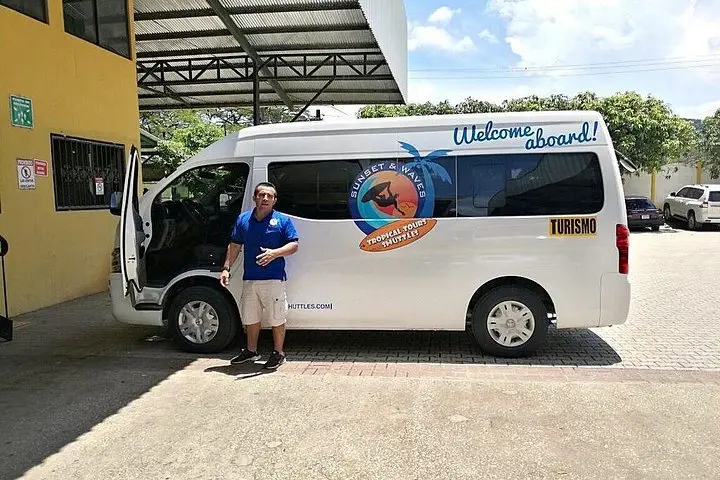
The road out of Santa Teresa starts as a rhythm of tires on gravel, palms leaning in like sentries as the coast slips away. In a private minibus the ocean is a companion you glance back at; the landscape ahead climbs and drops through cattle pastures, remnant dry forest, and low mountain ridgelines before turning toward the open highway to Liberia.
The road out of Santa Teresa starts as a rhythm of tires on gravel, palms leaning in like sentries as the coast slips away. In a private minibus the ocean is a companion you glance back at; the landscape ahead climbs and drops through cattle pastures, remnant dry forest, and low mountain ridgelines before turning toward the open highway to Liberia.
Geology here is obvious: the Nicoya Peninsula’s volcanic soils and uplifted marine terraces shape the washboard roads and abrupt views. Culturally, you cross from the surf‑and‑yoga micro‑culture of Puntarenas’ southern tip into Guanacaste’s sabanero (ranching) traditions—oxen and ranchos become more common as you head inland. The route frequently uses the Paquera–Puntarenas ferry or drives around via Cobano and Nicoya, so timing and road condition matter: in the rainy season unpaved sections soften and rivers push the pace of travel.
Practical guidance: expect 5–6 hours door‑to‑door depending on ferries and weather; a private transfer gives control over departure time and luggage handling, and infant seats can be requested. Store fragile gear in soft bags, carry motion‑sickness basics, and confirm your pickup point in advance—the village is spread out and GPS pins can be off.
Plan for breaks: short roadside stops offer shade and fresh agua; a longer pause near Vista Hermosa or a local sodita lets you stretch and sample Guanacaste coffee. Keep travel documents and flight times visible—Liberia’s airport procedures are straightforward, but a delayed road section can make the difference between a calm check‑in and a sprint to the gate.