THE ADVENTURE COLLECTIVE® · Independent discovery and booking for outdoor travel

Explore Santarém’s northern quarter on a 2–2.5 hour walk that pairs cathedral art, historic azulejos and a taste of local sweets with sites tied to the Carnation Revolution. Ideal for history-minded travelers who want an accessible, compact cultural tour.
Explore Santarém’s northern quarter on a 2–2.5 hour walk that pairs cathedral art, historic azulejos and a taste of local sweets with sites tied to the Carnation Revolution. Ideal for history-minded travelers who want an accessible, compact cultural tour.
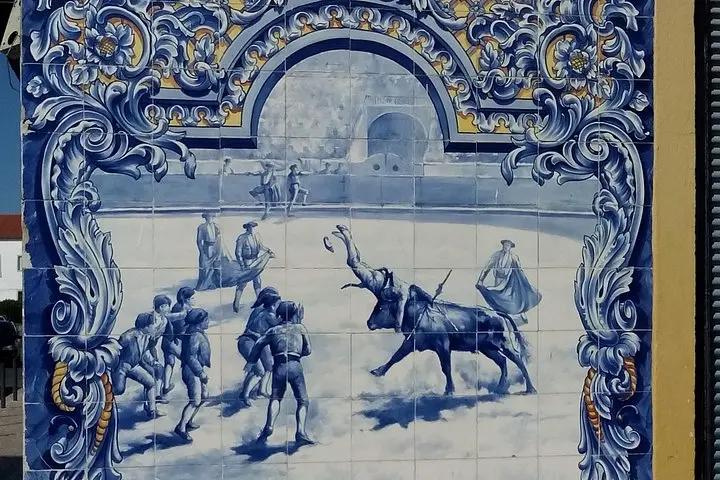
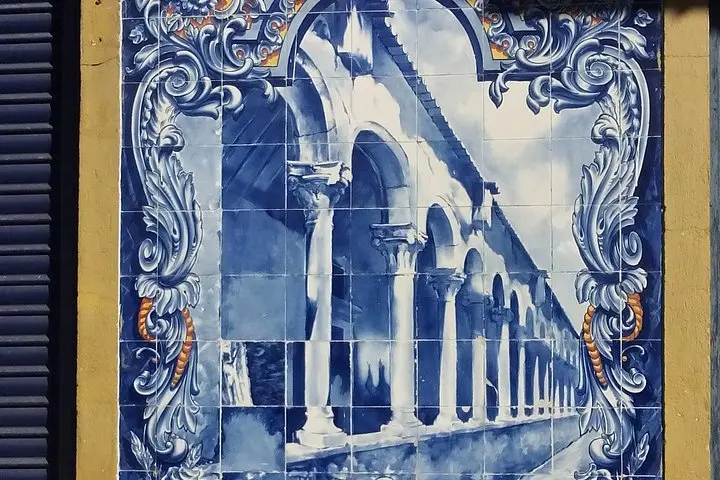
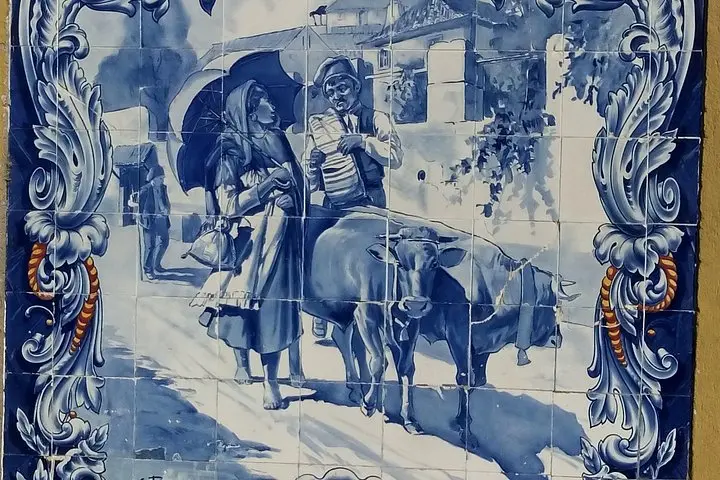
You step out from a narrow cobbled lane and the city opens: the cathedral’s stone façade rising above terraced roofs, the Tagus valley folding away to the south. On this two-hour circuit through Santarém Norte, painted tiles—azulejos—catch the light and the past speaks in relief: religious processions, cavalry drills and quiet domestic scenes frozen in ceramic.
Verified experiences and guided adventures in the surrounding area.
Operated by Seven Domains · Santarém, Santarém District
You step out from a narrow cobbled lane and the city opens: the cathedral’s stone façade rising above terraced roofs, the Tagus valley folding away to the south. On this two-hour circuit through Santarém Norte, painted tiles—azulejos—catch the light and the past speaks in relief: religious processions, cavalry drills and quiet domestic scenes frozen in ceramic.
The route threads through layers of history. Romans founded Scalabis here; medieval walls and later the Escola Prática de Cavalaria mark military and civic life. The Diocesan Museum houses carved altarpieces, gilded reliquaries and sacred paintings that chart regional devotion. Nearby, the Convent of São Francisco and the old Plaza de Armas recall the moment the Carnation Revolution stirred in these streets.
Geology is understated but present: clay-rich soils of the Tagus floodplain shaped local construction and the pigments used on tiles. Culture arrives in taste as well—typical Santarém sweets sampled at a family-run shop give a literal bite of local tradition.
Practical guidance: the walk lasts about 2–2.5 hours with short stops; surfaces are mostly flat but cobbles can be uneven—sturdy footwear helps. The museum visit is included; photography rules may vary inside galleries. The tour is wheelchair-friendly and suitable for most fitness levels, but bring water and check opening days for the Convent (closed Mondays).
This is a concise cultural walk that balances visual storytelling with accessible logistics—ideal for travelers wanting historic depth without a full-day commitment.
Yes—the ticket to the Diocesan Museum is included as part of this tour.
The itinerary and sites listed are wheelchair accessible, but cobbled outdoor surfaces may be uneven in places.
Typical sweets are included for tasting; if you have allergies or dietary needs, notify the operator in advance.
Yes—stops include the old Plaza de Armas and the Escola Prática de Cavalaria area where events linked to the Carnation Revolution occurred.
Seven Domains operates guided outdoor trips and adventures with an emphasis on safety, stewardship, and memorable experiences.

You step out from a narrow cobbled lane and the city opens: the cathedral’s stone façade rising above terraced roofs, the Tagus valley folding away to the south. On this two-hour circuit through Santarém Norte, painted tiles—azulejos—catch the light and the past speaks in relief: religious processions, cavalry drills and quiet domestic scenes frozen in ceramic.
You step out from a narrow cobbled lane and the city opens: the cathedral’s stone façade rising above terraced roofs, the Tagus valley folding away to the south. On this two-hour circuit through Santarém Norte, painted tiles—azulejos—catch the light and the past speaks in relief: religious processions, cavalry drills and quiet domestic scenes frozen in ceramic.
The route threads through layers of history. Romans founded Scalabis here; medieval walls and later the Escola Prática de Cavalaria mark military and civic life. The Diocesan Museum houses carved altarpieces, gilded reliquaries and sacred paintings that chart regional devotion. Nearby, the Convent of São Francisco and the old Plaza de Armas recall the moment the Carnation Revolution stirred in these streets.
Geology is understated but present: clay-rich soils of the Tagus floodplain shaped local construction and the pigments used on tiles. Culture arrives in taste as well—typical Santarém sweets sampled at a family-run shop give a literal bite of local tradition.
Practical guidance: the walk lasts about 2–2.5 hours with short stops; surfaces are mostly flat but cobbles can be uneven—sturdy footwear helps. The museum visit is included; photography rules may vary inside galleries. The tour is wheelchair-friendly and suitable for most fitness levels, but bring water and check opening days for the Convent (closed Mondays).
This is a concise cultural walk that balances visual storytelling with accessible logistics—ideal for travelers wanting historic depth without a full-day commitment.