THE ADVENTURE COLLECTIVE® · Independent discovery and booking for outdoor travel

Spend a morning exploring Santiago’s expansive banana plantations, cooking traditional cuscuz and fidjós with a local family, and returning to Praia via rocky valleys and coastal views. This four-hour cultural and agricultural tour blends hands-on learning with easy, scenic walks.
Spend a morning exploring Santiago’s expansive banana plantations, cooking traditional cuscuz and fidjós with a local family, and returning to Praia via rocky valleys and coastal views. This four-hour cultural and agricultural tour blends hands-on learning with easy, scenic walks.
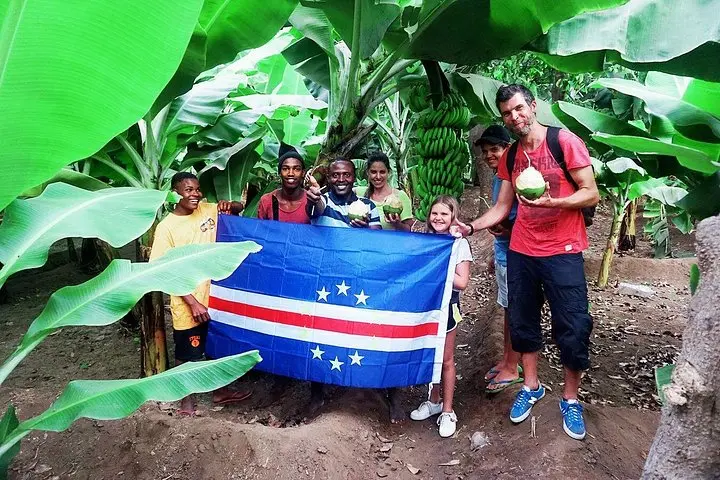
You step out of the bus and the air tastes of green sugar—banana leaves, fresh coconut, and a warm Atlantic breeze that seems to push you toward the rows of fruit.
Verified experiences and guided adventures in the surrounding area.
Operated by Bu Country Tours · Praia, Santiago
You step out of the bus and the air tastes of green sugar—banana leaves, fresh coconut, and a warm Atlantic breeze that seems to push you toward the rows of fruit.
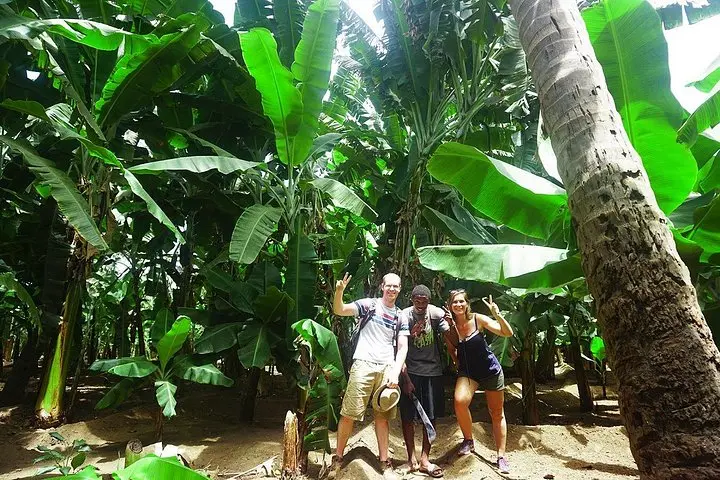
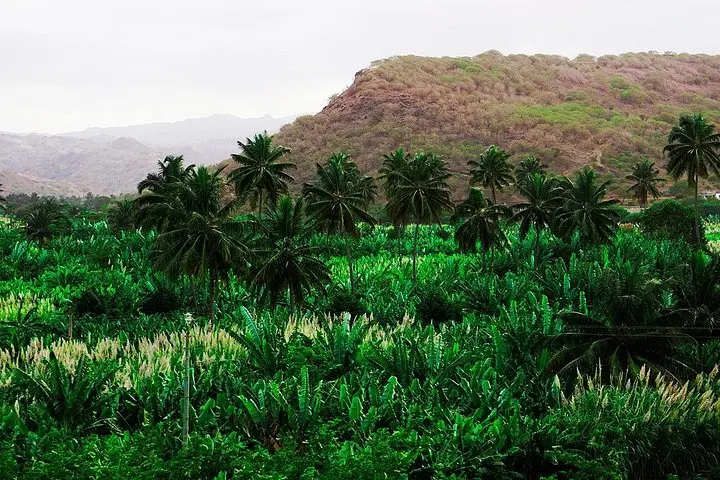
This four-hour loop from Praia threads inland to Santa Cruz and the island’s largest banana and coconut plantations. Sturdy farm tracks give way to fields where varieties of plantain and dwarf bananas grow cheek by jowl with palms; the guide points out cultivation methods that reflect Portuguese colonial agricultural systems adapted to Cape Verde’s volcanic soils.
Geology here is plainspoken: old lava flows carved shallow valleys and pockets where deeper soils collect, letting fruit trees thrive. Culture arrives at the stove—an Orgãos family opens their kitchen to teach cuscuz (corn-flour cake) and fidjós (fried plantain with wheat), recipes handed down through generations and shaped by trade winds and limited freshwater.
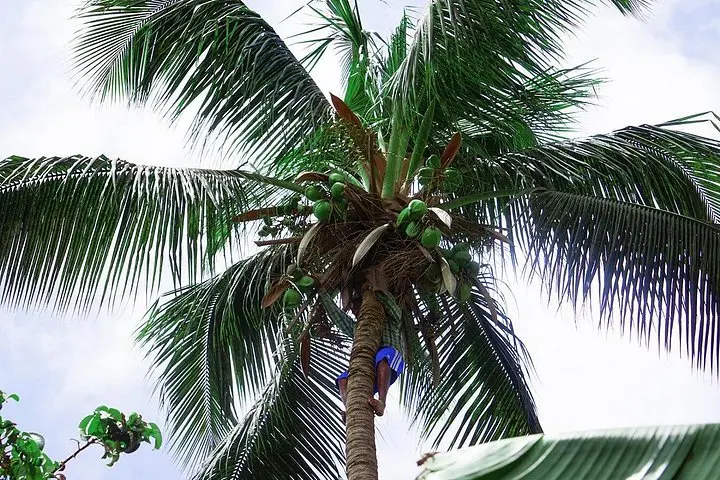
Expect easy walks on compacted earth with minimal elevation change (generally under 100 m), interspersed with pauses for photos and a possible coconut water refresh (payable locally). The tempo is relaxed: agricultural strolls, a hands-on cooking session, then a drive back through rocky outcrops and small valleys into Praia.
Practical pointers: carry sun protection and at least 1 liter of water, wear closed-toe shoes for uneven farm paths, and bring small change for refreshments and souvenirs. The tour is family-friendly and accessible for most fitness levels—perfect for travelers seeking a compact cultural immersion that pairs landscape, local food, and good conversation.
The tour lasts about 4 hours and includes transportation from Praia, a guided walk through banana and coconut plantations, a home cooking workshop, and drop-off at your accommodation.
Children can participate; inform the operator of dietary restrictions when booking so the family can accommodate alternatives when possible.
Yes—fresh coconut water and local snacks are often available for purchase on-site; bring small cash.
No—the walks are short and on farm paths with minimal elevation change, making the tour accessible to most people with normal mobility.
Bu Country Tours operates guided outdoor trips and adventures with an emphasis on safety, stewardship, and memorable experiences.
You step out of the bus and the air tastes of green sugar—banana leaves, fresh coconut, and a warm Atlantic breeze that seems to push you toward the rows of fruit.
You step out of the bus and the air tastes of green sugar—banana leaves, fresh coconut, and a warm Atlantic breeze that seems to push you toward the rows of fruit.
This four-hour loop from Praia threads inland to Santa Cruz and the island’s largest banana and coconut plantations. Sturdy farm tracks give way to fields where varieties of plantain and dwarf bananas grow cheek by jowl with palms; the guide points out cultivation methods that reflect Portuguese colonial agricultural systems adapted to Cape Verde’s volcanic soils.
Geology here is plainspoken: old lava flows carved shallow valleys and pockets where deeper soils collect, letting fruit trees thrive. Culture arrives at the stove—an Orgãos family opens their kitchen to teach cuscuz (corn-flour cake) and fidjós (fried plantain with wheat), recipes handed down through generations and shaped by trade winds and limited freshwater.
Expect easy walks on compacted earth with minimal elevation change (generally under 100 m), interspersed with pauses for photos and a possible coconut water refresh (payable locally). The tempo is relaxed: agricultural strolls, a hands-on cooking session, then a drive back through rocky outcrops and small valleys into Praia.
Practical pointers: carry sun protection and at least 1 liter of water, wear closed-toe shoes for uneven farm paths, and bring small change for refreshments and souvenirs. The tour is family-friendly and accessible for most fitness levels—perfect for travelers seeking a compact cultural immersion that pairs landscape, local food, and good conversation.