THE ADVENTURE COLLECTIVE® · Independent discovery and booking for outdoor travel

A full-day coastal trek across Santo Antão from Ponta do Sol to Cruzinha that threads cliffside villages, terraced farms and sweeping ocean views. Expect a challenging 6-hour walk on mixed terrain with rich cultural encounters and dramatic geology.
A full-day coastal trek across Santo Antão from Ponta do Sol to Cruzinha that threads cliffside villages, terraced farms and sweeping ocean views. Expect a challenging 6-hour walk on mixed terrain with rich cultural encounters and dramatic geology.
Morning light cuts across the Atlantic as the ferry exhales into Ponta do Sol and the day’s hike unfurls. Walkers set off from the small port as fishermen haul nets, then climb a coastal road that alternates between sheer drops to surf and terraced plots where farmers coax crops from volcanic soil.
Verified experiences and guided adventures in the surrounding area.
Operated by Green Line Tours Cabo Verde · Ponta do Sol, Santo Antão
Morning light cuts across the Atlantic as the ferry exhales into Ponta do Sol and the day’s hike unfurls. Walkers set off from the small port as fishermen haul nets, then climb a coastal road that alternates between sheer drops to surf and terraced plots where farmers coax crops from volcanic soil.
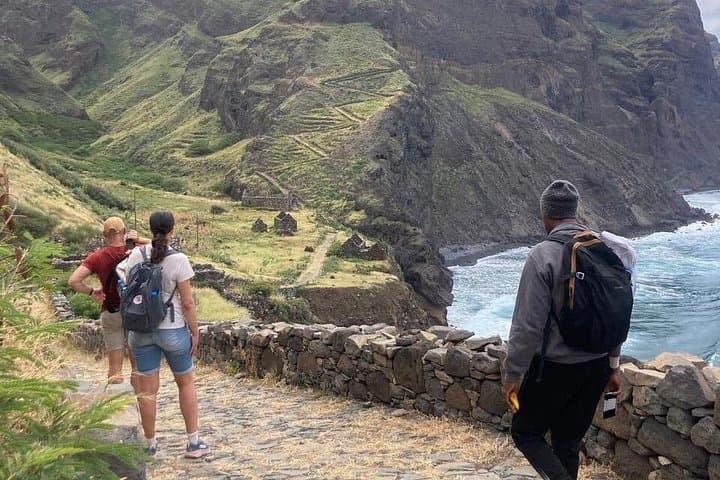
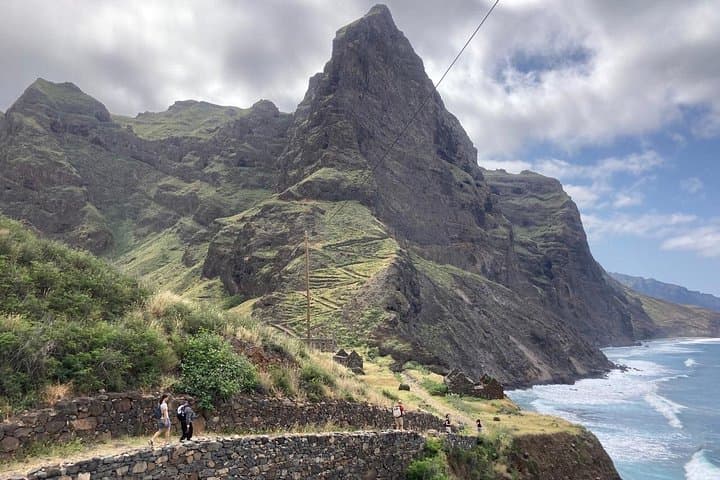
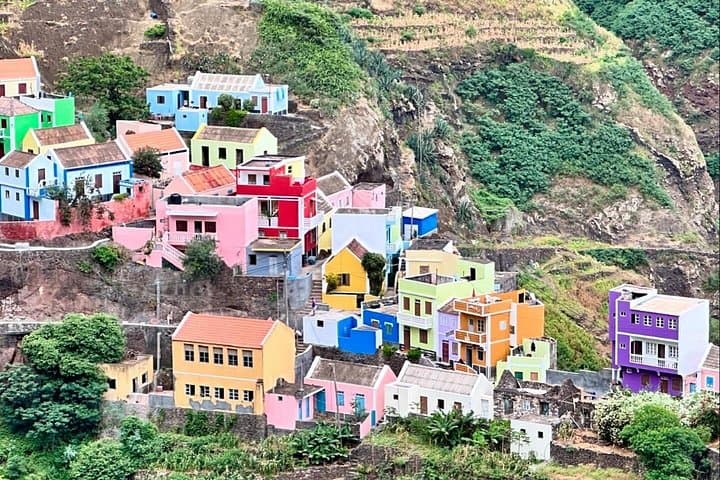
This route threads coastal villages—Ponta do Sol, the cliffside hamlet of Fontainhas, Formiguinhas and Corvo—ending in the modest fishing settlement of Cruzinha. Santo Antão’s volcanic origins are obvious in the folded ridgelines and basalt outcrops; centuries of Portuguese settlement and African influence shaped the island’s stone terraces, footpaths and religious inscriptions carved along the way. The people here farm on steep slopes, and donkeys still carry water when pipes don’t reach.
Expect a demanding 6-hour day on mixed terrain: narrow paved lanes, rocky coastal trails and stepped village paths with significant ascents and descents. The trail exposes you to wind, sun and sudden sea-spray; the ocean and cliffs feel alive, pushing for attention. Guides usually point out local customs, architecture and spots to rest at small cafés and miradouros.
Practical notes: start early to avoid the strongest sun, carry 2–3 liters of water, and wear sturdy boots with good grip for loose rock and packed mud. If you’re uncomfortable with heights, test short cliffside paths first; the route rewards effort with dramatic coastal views and human-scale encounters that are the essence of Cape Verdean island life.
The guided itinerary runs about 6 hours of walking, including short stops in villages; overall timing depends on pace and group size.
A local guide is strongly recommended—guides know safe lines on narrow cliffs, local history and language, and arrange transport when necessary.
Most travelers take a ~1‑hour ferry from Mindelo on São Vicente to the Porto Novo or Ponta do Sol area, then transfer to the trek start by road.
Not ideal—there are exposed coastal sections and sustained climbs; the tour notes advise against it for those unaccustomed to trekking or with a fear of heights.
Green Line Tours Cabo Verde operates guided outdoor trips and adventures with an emphasis on safety, stewardship, and memorable experiences.
Morning light cuts across the Atlantic as the ferry exhales into Ponta do Sol and the day’s hike unfurls. Walkers set off from the small port as fishermen haul nets, then climb a coastal road that alternates between sheer drops to surf and terraced plots where farmers coax crops from volcanic soil.
Morning light cuts across the Atlantic as the ferry exhales into Ponta do Sol and the day’s hike unfurls. Walkers set off from the small port as fishermen haul nets, then climb a coastal road that alternates between sheer drops to surf and terraced plots where farmers coax crops from volcanic soil.
This route threads coastal villages—Ponta do Sol, the cliffside hamlet of Fontainhas, Formiguinhas and Corvo—ending in the modest fishing settlement of Cruzinha. Santo Antão’s volcanic origins are obvious in the folded ridgelines and basalt outcrops; centuries of Portuguese settlement and African influence shaped the island’s stone terraces, footpaths and religious inscriptions carved along the way. The people here farm on steep slopes, and donkeys still carry water when pipes don’t reach.
Expect a demanding 6-hour day on mixed terrain: narrow paved lanes, rocky coastal trails and stepped village paths with significant ascents and descents. The trail exposes you to wind, sun and sudden sea-spray; the ocean and cliffs feel alive, pushing for attention. Guides usually point out local customs, architecture and spots to rest at small cafés and miradouros.
Practical notes: start early to avoid the strongest sun, carry 2–3 liters of water, and wear sturdy boots with good grip for loose rock and packed mud. If you’re uncomfortable with heights, test short cliffside paths first; the route rewards effort with dramatic coastal views and human-scale encounters that are the essence of Cape Verdean island life.