THE ADVENTURE COLLECTIVE® · Independent discovery and booking for outdoor travel

Drive the Corda road, peer into Cova de Paúl’s crater, sample a Cape Verdean lunch in Ponta do Sol, and explore the verdant Valle de Paúl — all in one manageable day. This private tour blends geology, agriculture and local culture with short walks and scenic stops.
Drive the Corda road, peer into Cova de Paúl’s crater, sample a Cape Verdean lunch in Ponta do Sol, and explore the verdant Valle de Paúl — all in one manageable day. This private tour blends geology, agriculture and local culture with short walks and scenic stops.
A salt-cooled wind meets you at the Port of Porto Novo as the driver eases onto the Corda road, the island unfurling in sharp ridges and cultivated terraces. The first views open like a stage — serrated peaks, dark volcanic scars and, beyond them, the green bowl of Cova de Paúl — a volcanic crater that frames the island’s story.
Verified experiences and guided adventures in the surrounding area.
Operated by Actour Trekking · Porto Novo, Santo Antão
A salt-cooled wind meets you at the Port of Porto Novo as the driver eases onto the Corda road, the island unfurling in sharp ridges and cultivated terraces. The first views open like a stage — serrated peaks, dark volcanic scars and, beyond them, the green bowl of Cova de Paúl — a volcanic crater that frames the island’s story.
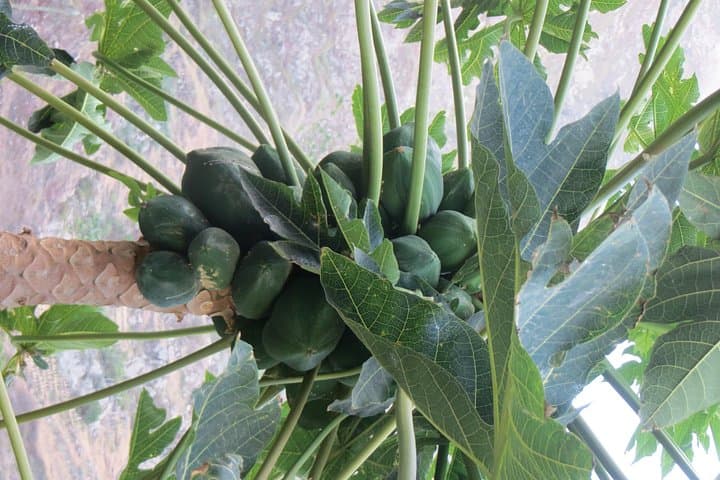
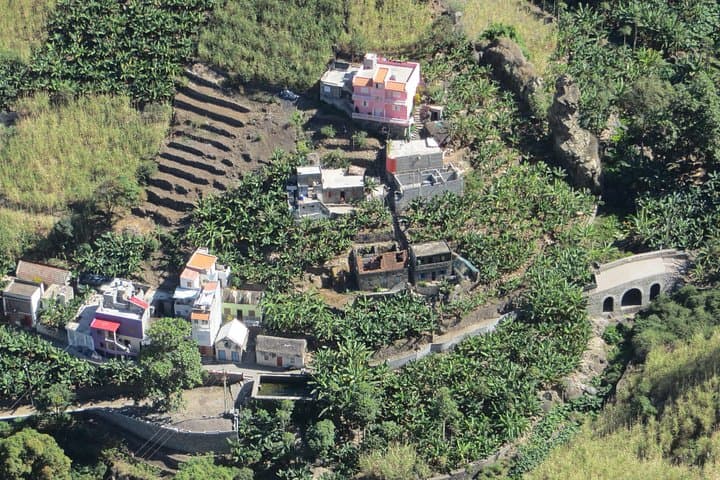
Geology here is raw: uplifted volcanic rock sliced by deep gullies, soils deposited into steep, hand-built terraces where farmers grow coffee, sugarcane and fruit. History reads in the lanes and hamlets — Creole culture formed by Portuguese maritime routes and subsistence agriculture, visible in the distillation of local rum and the pattern of stone walls.
The tour moves from lookout to village: a photo stop at Cova, lunch in Ponta do Sol fishing town, then down into Valle de Paúl where small footpaths crisscross cultivated plots and a working rum distillery opens for a quick visit. Expect short walks, paved and dirt roads, and moments standing on ridgelines with trade winds nudging the view.
Practical notes: bring sun protection and a refillable water bottle, wear sturdy shoes for uneven village paths, and plan for variable weather — fog can roll in quickly at higher elevations. The trip suits travelers who want cultural contact without strenuous hiking; it’s a compact introduction to Santo Antão’s landscapes, farming life and coastal towns in roughly five hours.
The private day trip is approximately five hours from pickup to return, covering multiple stops and a lunch break.
Yes—private transportation and a driver fluent in French/English are included in the tour price.
No—the itinerary includes short, accessible walks and village exploration rather than long or technical hikes.
Lunch is a typical Cape Verdean meal, often featuring fresh fish or local stews with rice, plantains and tropical fruit.
Actour Trekking operates guided outdoor trips and adventures with an emphasis on safety, stewardship, and memorable experiences.
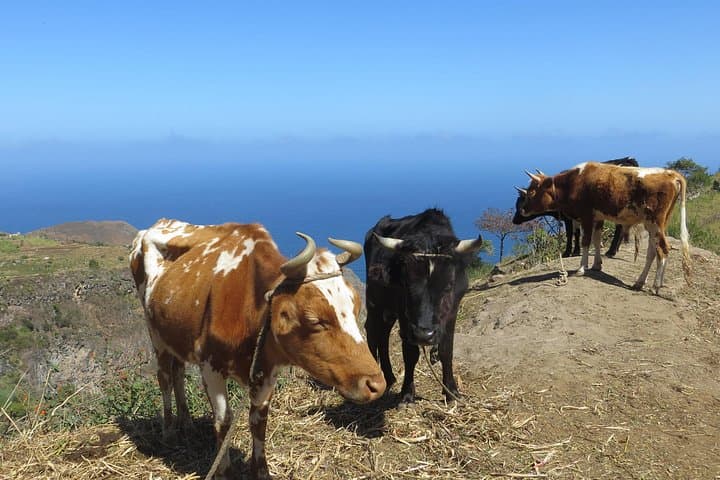
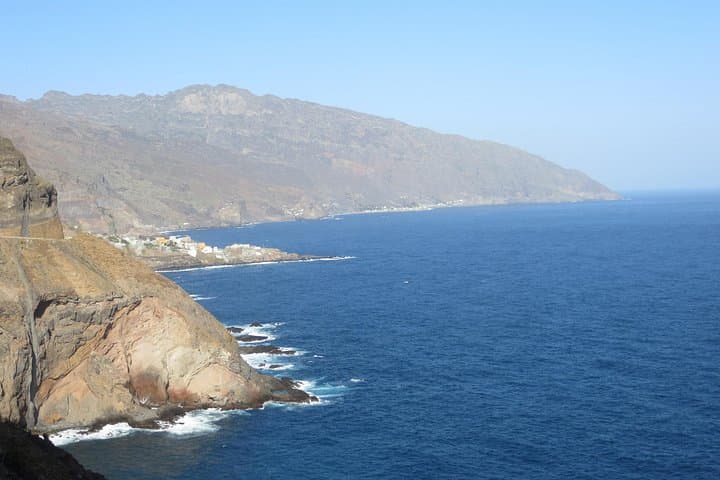
A salt-cooled wind meets you at the Port of Porto Novo as the driver eases onto the Corda road, the island unfurling in sharp ridges and cultivated terraces. The first views open like a stage — serrated peaks, dark volcanic scars and, beyond them, the green bowl of Cova de Paúl — a volcanic crater that frames the island’s story.
A salt-cooled wind meets you at the Port of Porto Novo as the driver eases onto the Corda road, the island unfurling in sharp ridges and cultivated terraces. The first views open like a stage — serrated peaks, dark volcanic scars and, beyond them, the green bowl of Cova de Paúl — a volcanic crater that frames the island’s story.
Geology here is raw: uplifted volcanic rock sliced by deep gullies, soils deposited into steep, hand-built terraces where farmers grow coffee, sugarcane and fruit. History reads in the lanes and hamlets — Creole culture formed by Portuguese maritime routes and subsistence agriculture, visible in the distillation of local rum and the pattern of stone walls.
The tour moves from lookout to village: a photo stop at Cova, lunch in Ponta do Sol fishing town, then down into Valle de Paúl where small footpaths crisscross cultivated plots and a working rum distillery opens for a quick visit. Expect short walks, paved and dirt roads, and moments standing on ridgelines with trade winds nudging the view.
Practical notes: bring sun protection and a refillable water bottle, wear sturdy shoes for uneven village paths, and plan for variable weather — fog can roll in quickly at higher elevations. The trip suits travelers who want cultural contact without strenuous hiking; it’s a compact introduction to Santo Antão’s landscapes, farming life and coastal towns in roughly five hours.