THE ADVENTURE COLLECTIVE® · Independent discovery and booking for outdoor travel

Walk the oldest streets in the New World: this full-day tour of Santo Domingo’s Colonial Zone visits the First Cathedral, Alcázar de Colón and the seafront, ending with a typical Dominican lunch. Expect history, coastal views and several miles of easy walking.
Walk the oldest streets in the New World: this full-day tour of Santo Domingo’s Colonial Zone visits the First Cathedral, Alcázar de Colón and the seafront, ending with a typical Dominican lunch. Expect history, coastal views and several miles of easy walking.
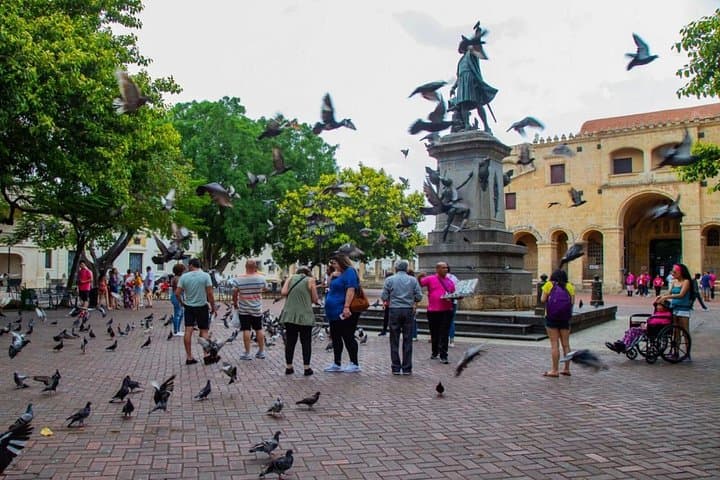
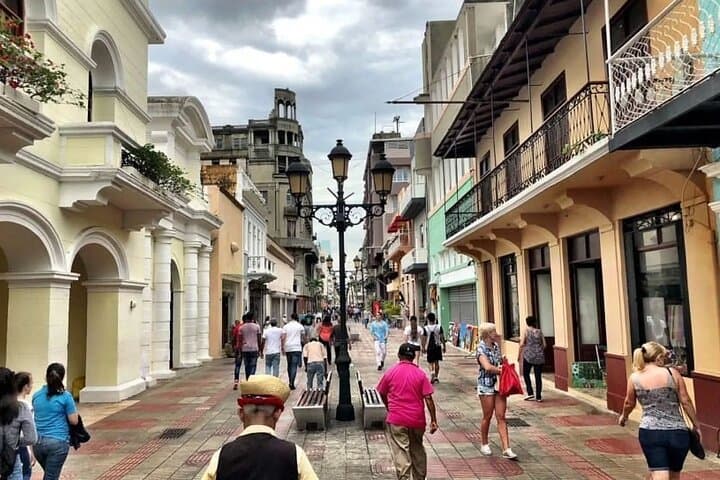
You step off an air-conditioned bus into a patchwork of sun and shadow: cobblestone lanes, stucco façades, and the low crash of Caribbean surf carried on a warm breeze. The guide points toward a squat stone cathedral whose bell has rung since the 16th century; voices of the city—street vendors, church bells, and gulls—frame the first steps through the Zona Colonial.
Verified experiences and guided adventures in the surrounding area.
Operated by cobena tours · Santo Domingo, Distrito Nacional
You step off an air-conditioned bus into a patchwork of sun and shadow: cobblestone lanes, stucco façades, and the low crash of Caribbean surf carried on a warm breeze. The guide points toward a squat stone cathedral whose bell has rung since the 16th century; voices of the city—street vendors, church bells, and gulls—frame the first steps through the Zona Colonial.
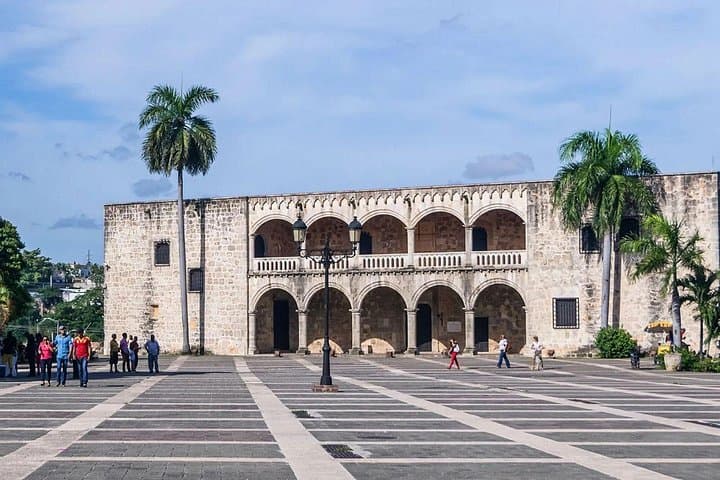
This is the oldest European-established city in the Americas, founded in the late 1400s and layered with stories of conquest, trade and creole culture. Stone façades of the Alcázar de Colón and the First Cathedral display Spanish colonial masonry and later Caribbean repairs; beneath the streets lie reclaimed earth and the geological memory of a coastal plain shaped by reefs and river sediment.
Culture here is immediate: Dominican Spanish, Afro-Caribbean rhythms, and cuisine that blends indigenous, African and European ingredients. A typical lunch at a local restaurant offers plantains, rice, stewed meats and fresh fish—simple flavors that map to the city’s maritime and agrarian past.
Practical guidance: expect 3–5 miles of mostly paved walking with short stair sections. Wear supportive shoes, sun protection and bring water—the route includes historic plazas, museum interiors and a seafront promenade where wind can change quickly. Guides usually handle local logistics; bring small bills for tips, and leave single-use plastics behind where possible to support ongoing conservation efforts in the coastal zone.
Many departures include pickup from central Punta Cana or hotel zones—confirm your pickup point at booking; the tour uses an air-conditioned vehicle for transfers.
Yes—it's rated easy and suitable for most ages, though participants should be able to walk several miles and navigate some stairs.
A typical Dominican buffet-style lunch with local dishes and drinks is included; guides will note dietary options but check for allergies in advance.
Yes—the itinerary lists admission included for principal sites and a professional guide who narrates the city’s history.
cobena tours operates guided outdoor trips and adventures with an emphasis on safety, stewardship, and memorable experiences.
You step off an air-conditioned bus into a patchwork of sun and shadow: cobblestone lanes, stucco façades, and the low crash of Caribbean surf carried on a warm breeze. The guide points toward a squat stone cathedral whose bell has rung since the 16th century; voices of the city—street vendors, church bells, and gulls—frame the first steps through the Zona Colonial.
You step off an air-conditioned bus into a patchwork of sun and shadow: cobblestone lanes, stucco façades, and the low crash of Caribbean surf carried on a warm breeze. The guide points toward a squat stone cathedral whose bell has rung since the 16th century; voices of the city—street vendors, church bells, and gulls—frame the first steps through the Zona Colonial.
This is the oldest European-established city in the Americas, founded in the late 1400s and layered with stories of conquest, trade and creole culture. Stone façades of the Alcázar de Colón and the First Cathedral display Spanish colonial masonry and later Caribbean repairs; beneath the streets lie reclaimed earth and the geological memory of a coastal plain shaped by reefs and river sediment.
Culture here is immediate: Dominican Spanish, Afro-Caribbean rhythms, and cuisine that blends indigenous, African and European ingredients. A typical lunch at a local restaurant offers plantains, rice, stewed meats and fresh fish—simple flavors that map to the city’s maritime and agrarian past.
Practical guidance: expect 3–5 miles of mostly paved walking with short stair sections. Wear supportive shoes, sun protection and bring water—the route includes historic plazas, museum interiors and a seafront promenade where wind can change quickly. Guides usually handle local logistics; bring small bills for tips, and leave single-use plastics behind where possible to support ongoing conservation efforts in the coastal zone.