THE ADVENTURE COLLECTIVE® · Independent discovery and booking for outdoor travel

Spend a full day walking Santo Domingo’s Colonial Zone — the first European city in the Americas. Visit the cathedral, Fortaleza Ozama and Calle Las Damas while learning the layered history and practical tips for a comfortable, informed tour.
Spend a full day walking Santo Domingo’s Colonial Zone — the first European city in the Americas. Visit the cathedral, Fortaleza Ozama and Calle Las Damas while learning the layered history and practical tips for a comfortable, informed tour.
Morning light breaks across the cobbles of Calle Las Damas and the city exhales — a blend of car horns, church bells and the citrus scent of street vendors. Walking here feels like stepping into a museum that still breathes: shuttered balconied houses, wrought-iron gates, and plazas where locals meet for coffee.
Verified experiences and guided adventures in the surrounding area.
Operated by Paseo Tours · Santo Domingo, Distrito Nacional
Morning light breaks across the cobbles of Calle Las Damas and the city exhales — a blend of car horns, church bells and the citrus scent of street vendors. Walking here feels like stepping into a museum that still breathes: shuttered balconied houses, wrought-iron gates, and plazas where locals meet for coffee.
Santo Domingo was the first permanent European settlement in the Americas after 1492, and its Colonial Zone holds the continent’s earliest cathedral, the Alcázar de Colón and the fortress walls of Fortaleza Ozama. Geologically the city sits on a coastal plain along the Ozama River mouth, its architecture shaped by centuries of trade, hurricane cycles and Spanish masonry. Culture is immediate: rum shops, Afro-Caribbean rhythms, and museums that map colonial administration, piracy and the Dominican Republic’s path to independence.
Practically, expect an 8-hour, mostly walking day with museum stops and a sit-down lunch included. Streets are uneven cobble and can be hot midday; comfortable shoes and a sun hat matter. Most sites offer explanatory plaques and guides, and many guides are multi-lingual. Cash is useful for small purchases and tips; some museums accept cards. Accessibility varies — ramps exist at some attractions but many historic interiors are set on worn stone floors and narrow stairways.
Plan for steady walking, moderate crowds around Parque Colón, and short transit times between highlights. Bring a reusable water bottle, photocopies of ID, and a curiosity for layered history — the city rewards patience and attention to detail.
Most full-day cultural tours include short transfers between dispersed Colonial Zone stops; confirm pickup details at booking.
This tour typically includes key admissions listed by the operator, but verify specific tickets (some specialty exhibits may cost extra).
The itinerary is physically easy but involves cobblestones and stairs; the tour is family-friendly but may be challenging for visitors with limited mobility.
Dominican peso is preferred for small purchases; many restaurants and larger museums accept cards but bring cash for vendors and tips.
Paseo Tours operates guided outdoor trips and adventures with an emphasis on safety, stewardship, and memorable experiences.
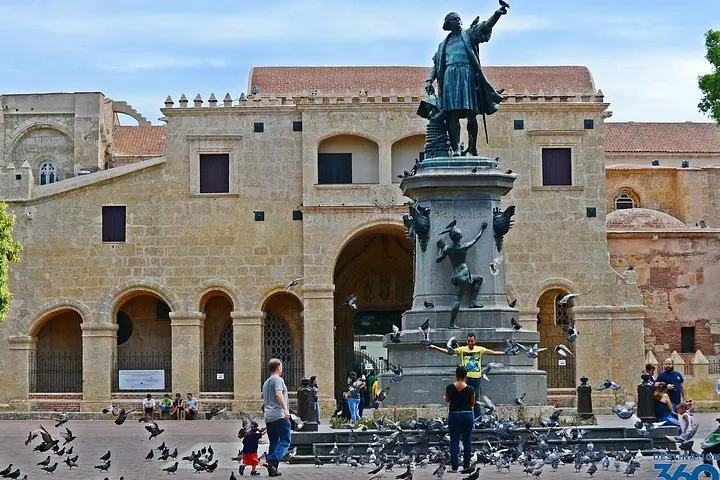
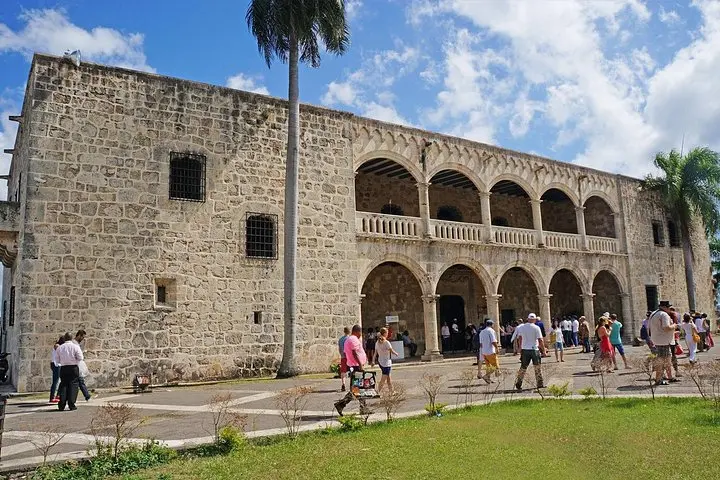
Morning light breaks across the cobbles of Calle Las Damas and the city exhales — a blend of car horns, church bells and the citrus scent of street vendors. Walking here feels like stepping into a museum that still breathes: shuttered balconied houses, wrought-iron gates, and plazas where locals meet for coffee.
Morning light breaks across the cobbles of Calle Las Damas and the city exhales — a blend of car horns, church bells and the citrus scent of street vendors. Walking here feels like stepping into a museum that still breathes: shuttered balconied houses, wrought-iron gates, and plazas where locals meet for coffee.
Santo Domingo was the first permanent European settlement in the Americas after 1492, and its Colonial Zone holds the continent’s earliest cathedral, the Alcázar de Colón and the fortress walls of Fortaleza Ozama. Geologically the city sits on a coastal plain along the Ozama River mouth, its architecture shaped by centuries of trade, hurricane cycles and Spanish masonry. Culture is immediate: rum shops, Afro-Caribbean rhythms, and museums that map colonial administration, piracy and the Dominican Republic’s path to independence.
Practically, expect an 8-hour, mostly walking day with museum stops and a sit-down lunch included. Streets are uneven cobble and can be hot midday; comfortable shoes and a sun hat matter. Most sites offer explanatory plaques and guides, and many guides are multi-lingual. Cash is useful for small purchases and tips; some museums accept cards. Accessibility varies — ramps exist at some attractions but many historic interiors are set on worn stone floors and narrow stairways.
Plan for steady walking, moderate crowds around Parque Colón, and short transit times between highlights. Bring a reusable water bottle, photocopies of ID, and a curiosity for layered history — the city rewards patience and attention to detail.