THE ADVENTURE COLLECTIVE® · Independent discovery and booking for outdoor travel

Walk the famous caldera rim from Fira to Oia and trade island markets for cliffside panoramas. This four-hour coastal hike combines volcanic geology, seaside culture and uninterrupted Aegean views—best tackled early in the day with water and sturdy shoes.
Walk the famous caldera rim from Fira to Oia and trade island markets for cliffside panoramas. This four-hour coastal hike combines volcanic geology, seaside culture and uninterrupted Aegean views—best tackled early in the day with water and sturdy shoes.
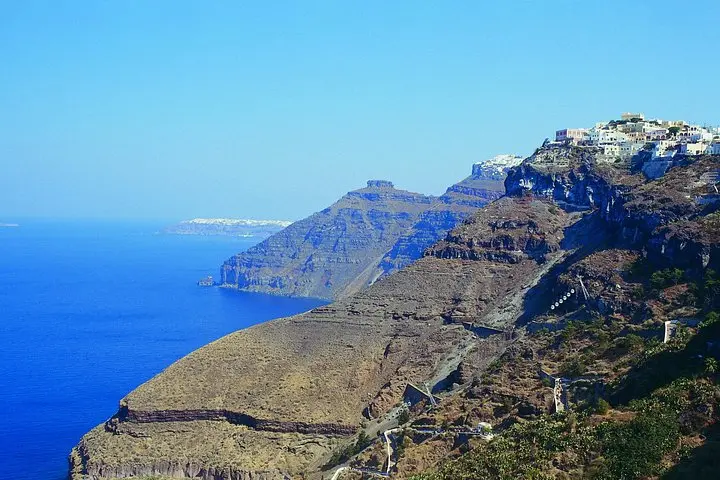
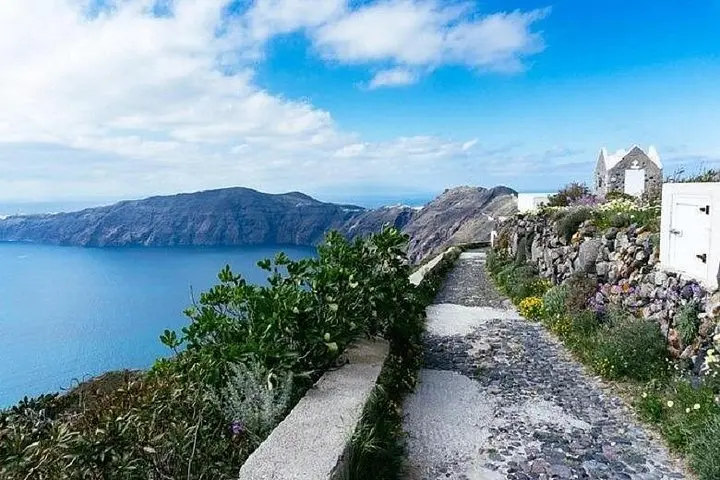
You step onto a narrow path where whitewashed houses fall away to the Aegean and the caldera drops like a hand-thrown bowl into deep blue. The wind carries salt and the distant tinkle of donkey bells as you walk the classic Fira-to-Oia route, toes scraping centuries of cobble and volcanic dust.
Verified experiences and guided adventures in the surrounding area.
Operated by Let's Book Travel · Fira (Thira), South Aegean
You step onto a narrow path where whitewashed houses fall away to the Aegean and the caldera drops like a hand-thrown bowl into deep blue. The wind carries salt and the distant tinkle of donkey bells as you walk the classic Fira-to-Oia route, toes scraping centuries of cobble and volcanic dust.
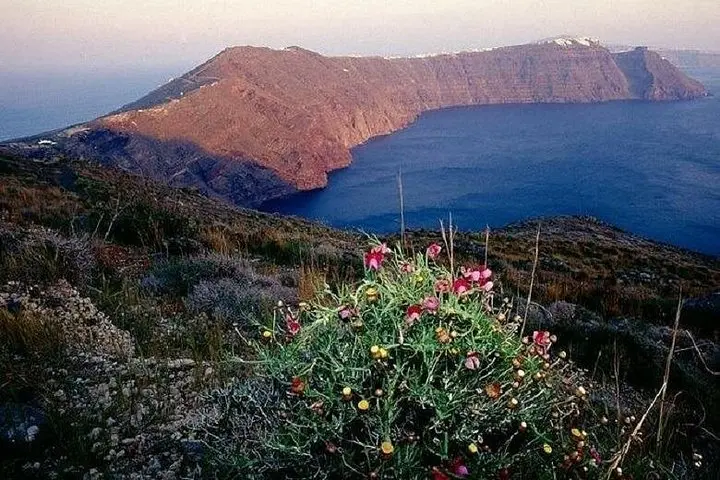
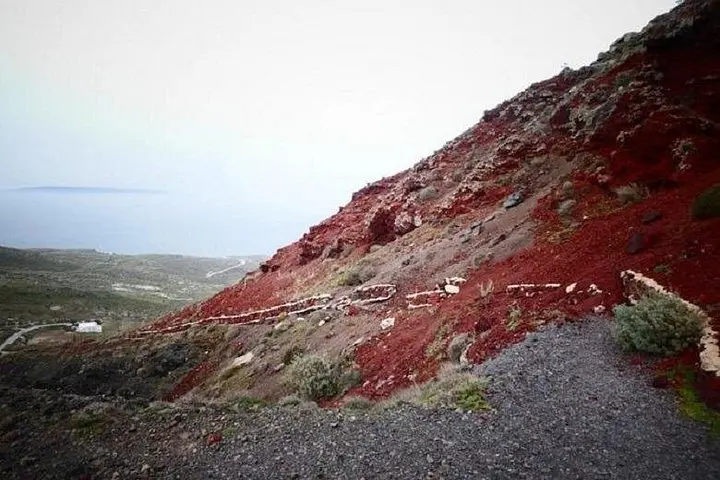
The trail traces the rim of a supervolcano created by the Minoan eruption (~1600 BCE), whose collapse shaped the island’s steep cliffs and sheltered bays. Along the way are tiny chapels, abandoned vineyards clinging to terraces, and lookout points that recall Santorini’s maritime past—merchants, farmers and sailors shaping life around a fractured caldera. Geology is visible everywhere: dark pumice underfoot, layered ignimbrite faces, and the indigo sea filling what was once a magma chamber.
Expect a mix of paved alley, packed earth and staircases with intermittent steep ascents and descents. The route is cultural as much as scenic: Oia and Fira each present different rhythms—Fira’s market hum, Oia’s photogenic cliffside houses—and both reward patient exploration.
Practical notes: allow about 4 hours for the continuous walk, bring at least 1–2 liters of water, sun protection and supportive shoes; start early to avoid both crowds and midday heat. Respect marked paths to protect fragile terraces and endemic plants. With steady legs and a measured pace, this walk delivers wide, cinematic views and a clear sense of Santorini’s volcanic story.
The direct caldera path covers about 9–10 km (5.5–6 miles) and typically takes around four hours at a steady pace.
Portions include stairs and uneven surfaces—children and seniors with mobility limits should plan for shorter sections or use local transport between villages.
Facilities are limited between Fira and Oia; towns provide restrooms and shops, but bring water and expect long stretches without services.
Yes, but start early, carry extra water, wear sun protection and avoid midday; many travelers prefer spring or fall for milder temperatures.
Let's Book Travel operates guided outdoor trips and adventures with an emphasis on safety, stewardship, and memorable experiences.
You step onto a narrow path where whitewashed houses fall away to the Aegean and the caldera drops like a hand-thrown bowl into deep blue. The wind carries salt and the distant tinkle of donkey bells as you walk the classic Fira-to-Oia route, toes scraping centuries of cobble and volcanic dust.
You step onto a narrow path where whitewashed houses fall away to the Aegean and the caldera drops like a hand-thrown bowl into deep blue. The wind carries salt and the distant tinkle of donkey bells as you walk the classic Fira-to-Oia route, toes scraping centuries of cobble and volcanic dust.
The trail traces the rim of a supervolcano created by the Minoan eruption (~1600 BCE), whose collapse shaped the island’s steep cliffs and sheltered bays. Along the way are tiny chapels, abandoned vineyards clinging to terraces, and lookout points that recall Santorini’s maritime past—merchants, farmers and sailors shaping life around a fractured caldera. Geology is visible everywhere: dark pumice underfoot, layered ignimbrite faces, and the indigo sea filling what was once a magma chamber.
Expect a mix of paved alley, packed earth and staircases with intermittent steep ascents and descents. The route is cultural as much as scenic: Oia and Fira each present different rhythms—Fira’s market hum, Oia’s photogenic cliffside houses—and both reward patient exploration.
Practical notes: allow about 4 hours for the continuous walk, bring at least 1–2 liters of water, sun protection and supportive shoes; start early to avoid both crowds and midday heat. Respect marked paths to protect fragile terraces and endemic plants. With steady legs and a measured pace, this walk delivers wide, cinematic views and a clear sense of Santorini’s volcanic story.