THE ADVENTURE COLLECTIVE® · Independent discovery and booking for outdoor travel

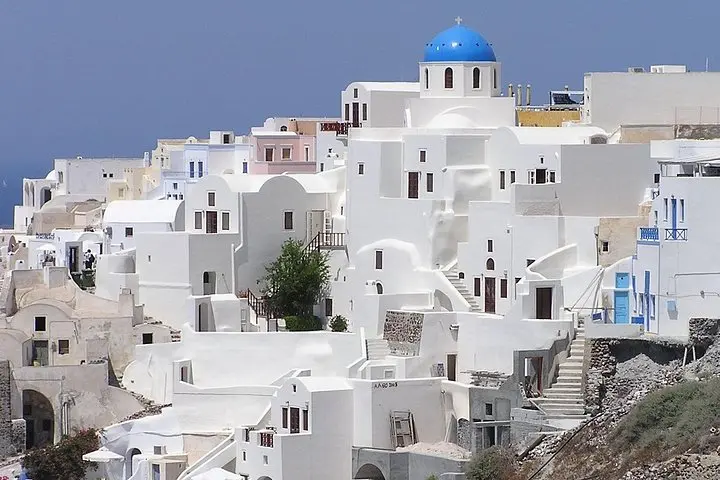
Explore Santorini’s caldera rim on a private shore excursion that pairs a winery tasting with visits to Fira’s Prehistoric Museum and the cliff-top village of Oia. Expect cobbled alleys, volcanic views, and swift logistics designed for cruise passengers.
Explore Santorini’s caldera rim on a private shore excursion that pairs a winery tasting with visits to Fira’s Prehistoric Museum and the cliff-top village of Oia. Expect cobbled alleys, volcanic views, and swift logistics designed for cruise passengers.
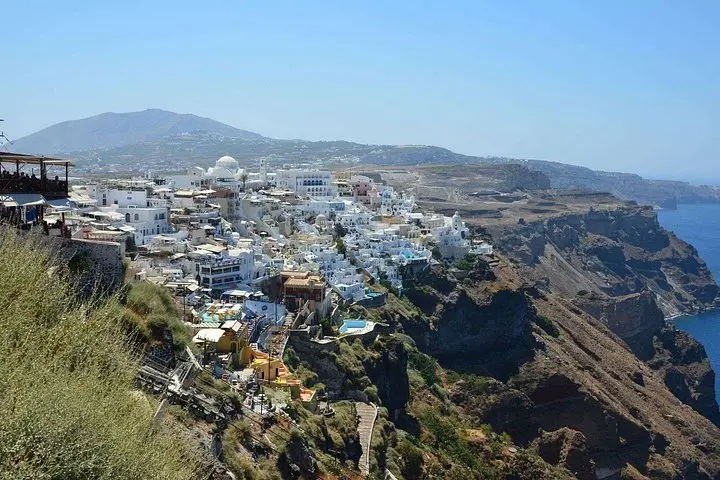
You step off the tender onto sun-warmed planks and the Aegean immediately pulls your gaze along the caldera edge. A short boat ride meets the coach that climbs toward whitewashed villages perched on volcanic rim—wind pushing you toward narrow alleys and sea-facing terraces.
Verified experiences and guided adventures in the surrounding area.
Operated by Achtypis Tours · Fira, South Aegean
You step off the tender onto sun-warmed planks and the Aegean immediately pulls your gaze along the caldera edge. A short boat ride meets the coach that climbs toward whitewashed villages perched on volcanic rim—wind pushing you toward narrow alleys and sea-facing terraces.
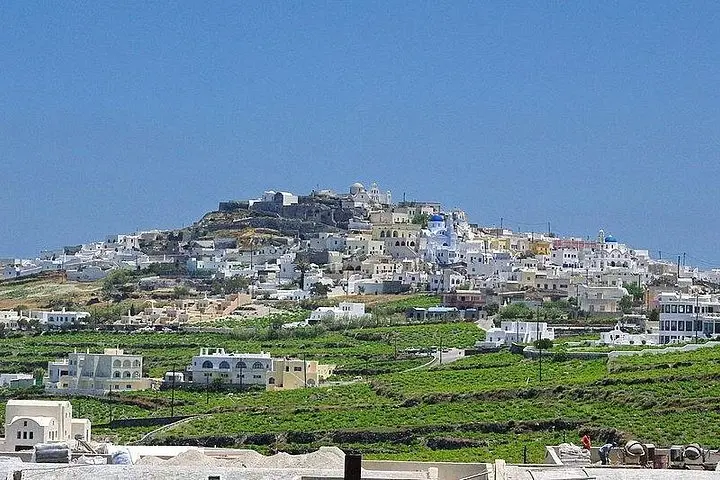
The island’s story is written in pumice and ash: Santorini is the exposed rim of a giant volcanic collapse, its cliffs cut by eruptions that shaped the dramatic caldera and created mineral-rich soils. That geology explains both the terraces clinging to steep slopes and the island’s signature wine—Assyrtiko vines that stubbornly root in black rock and give a lemon-leaning, saline character to glasses poured at a local winery in Pyrgos.
History sits close by. The Museum of Prehistoric Thira presents finds from Akrotiri—well-preserved frescoes and objects that hint at Bronze Age trade and seafaring, while the Naval Maritime Museum traces island navigation and fishing traditions that built local livelihoods.
Practicalities: the visit moves briskly—expect short walks on cobbles and steps, some standing at viewpoints, and a cable car ride to and from the port. Museums may be closed on Mondays; reconfirm pickup and ship times before you board. Bring sturdy shoes for uneven paving, sun protection for exposed viewpoints, and a small daypack for water and camera kit. Time your wandering in Oia for late afternoon light if your schedule allows; the caldera’s colors change quickly and reward those who watch.
Visits are included in the itinerary, but note the museums close on Mondays—confirm the tour date for access.
Yes—three local wines are sampled at a Pyrgos winery that showcases Santorini’s volcanic viticulture.
You’ll transfer by tender to the port where a colorful boat or shuttle takes you to the waiting coach; confirm exact meeting instructions with the supplier.
Yes—the itinerary typically uses the cable car for port transfers; keep in mind cable car lines can be busy during peak hours.
Achtypis Tours operates guided outdoor trips and adventures with an emphasis on safety, stewardship, and memorable experiences.
You step off the tender onto sun-warmed planks and the Aegean immediately pulls your gaze along the caldera edge. A short boat ride meets the coach that climbs toward whitewashed villages perched on volcanic rim—wind pushing you toward narrow alleys and sea-facing terraces.
You step off the tender onto sun-warmed planks and the Aegean immediately pulls your gaze along the caldera edge. A short boat ride meets the coach that climbs toward whitewashed villages perched on volcanic rim—wind pushing you toward narrow alleys and sea-facing terraces.
The island’s story is written in pumice and ash: Santorini is the exposed rim of a giant volcanic collapse, its cliffs cut by eruptions that shaped the dramatic caldera and created mineral-rich soils. That geology explains both the terraces clinging to steep slopes and the island’s signature wine—Assyrtiko vines that stubbornly root in black rock and give a lemon-leaning, saline character to glasses poured at a local winery in Pyrgos.
History sits close by. The Museum of Prehistoric Thira presents finds from Akrotiri—well-preserved frescoes and objects that hint at Bronze Age trade and seafaring, while the Naval Maritime Museum traces island navigation and fishing traditions that built local livelihoods.
Practicalities: the visit moves briskly—expect short walks on cobbles and steps, some standing at viewpoints, and a cable car ride to and from the port. Museums may be closed on Mondays; reconfirm pickup and ship times before you board. Bring sturdy shoes for uneven paving, sun protection for exposed viewpoints, and a small daypack for water and camera kit. Time your wandering in Oia for late afternoon light if your schedule allows; the caldera’s colors change quickly and reward those who watch.