THE ADVENTURE COLLECTIVE® · Independent discovery and booking for outdoor travel

Walk the streets where Puerto Rican salsa was forged. This guided 4–5 hour cultural tour through Santurce visits museums, murals, monuments and neighborhood spots tied to salsa legends and local music life.
Walk the streets where Puerto Rican salsa was forged. This guided 4–5 hour cultural tour through Santurce visits museums, murals, monuments and neighborhood spots tied to salsa legends and local music life.
You step off an air-conditioned van and the streets of Santurce answer: music leaking from open doors, painted faces on concrete walls, a breeze off the Atlantic that carries percussion and salt.
Verified experiences and guided adventures in the surrounding area.
Operated by CL Tours PR · San Juan, Puerto Rico
You step off an air-conditioned van and the streets of Santurce answer: music leaking from open doors, painted faces on concrete walls, a breeze off the Atlantic that carries percussion and salt.
This four- to five-hour route threads Barrio Obrero to 15th Street, the neighborhoods where Puerto Rican salsa evolved in the mid-20th century. Here Afro-Puerto Rican rhythms met Cuban son and New York influences; streets and cemeteries keep the names of Tito Rodríguez, Ismael Rivera and Tommy Olivencia. The coastal location means sandy soils and reclaimed waterfronts—old urban lots now hold murals, memorial busts and small museums that mark the genre’s social history.
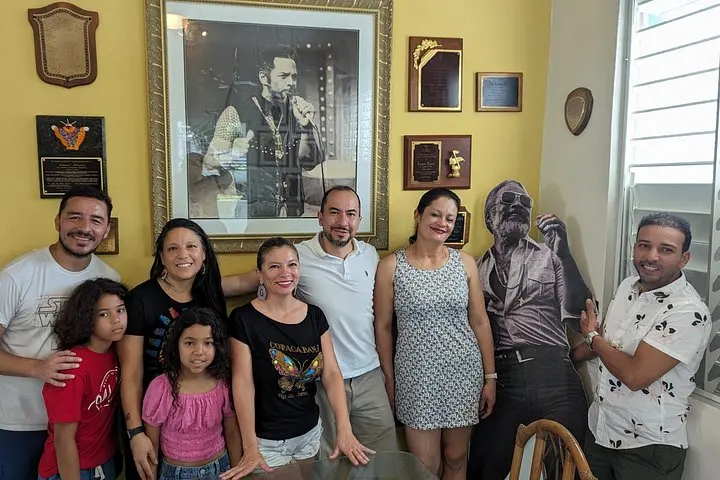
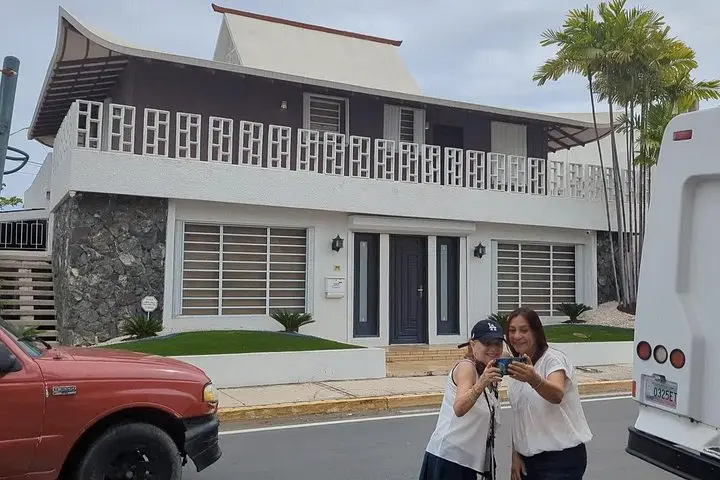
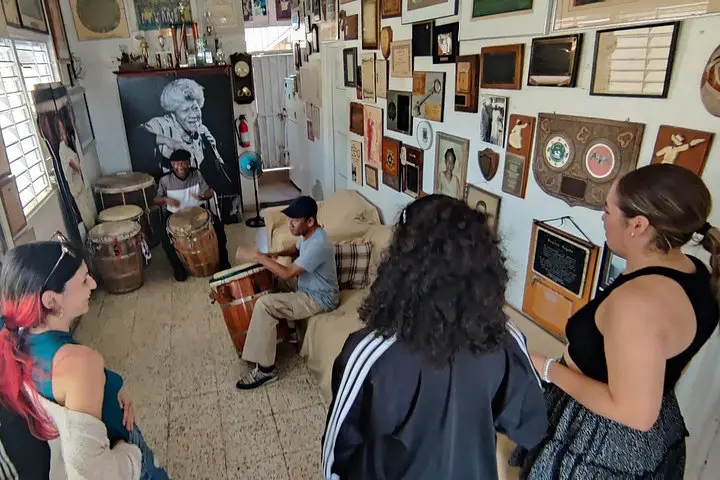
Stops include the Ismael Rivera House Museum, monument-lined avenues, and wall-sized tributes by local painters. Guides situate each stop in social context: migration, neighborhood socioeconomics, and the role of radio halls and dance clubs in creating a living music tradition.
Practical notes: expect moderate walking on sidewalks, occasional steps, and brief time inside small museums or plazas. The tour moves at an easy cultural-interpretation pace but covers several blocks of dense urban fabric; carry water, sun protection, and small bills for snacks. Evening can sharpen the music; daytime offers better mural viewing and photography. Respect private property, ask before photographing people, and let local guides buy from neighborhood businesses—this is a community-first cultural route that rewards curiosity and a steady pair of walking shoes.
The experience lasts roughly 4–5 hours and includes several blocks of walking between stops; the pace is relaxed with time for photos and short visits.
The tour is labeled physically easy and suitable for most fitness levels; those with significant mobility needs should notify the operator for pickup or accessibility accommodations.
Some stops like the Ismael Rivera House Museum may be included or have separate admission—check your booking details or ask the guide on arrival.
Tours are typically offered in Spanish and may include English; confirm language preference when booking or during pickup arrangements.
CL Tours PR operates guided outdoor trips and adventures with an emphasis on safety, stewardship, and memorable experiences.

You step off an air-conditioned van and the streets of Santurce answer: music leaking from open doors, painted faces on concrete walls, a breeze off the Atlantic that carries percussion and salt.
You step off an air-conditioned van and the streets of Santurce answer: music leaking from open doors, painted faces on concrete walls, a breeze off the Atlantic that carries percussion and salt.
This four- to five-hour route threads Barrio Obrero to 15th Street, the neighborhoods where Puerto Rican salsa evolved in the mid-20th century. Here Afro-Puerto Rican rhythms met Cuban son and New York influences; streets and cemeteries keep the names of Tito Rodríguez, Ismael Rivera and Tommy Olivencia. The coastal location means sandy soils and reclaimed waterfronts—old urban lots now hold murals, memorial busts and small museums that mark the genre’s social history.
Stops include the Ismael Rivera House Museum, monument-lined avenues, and wall-sized tributes by local painters. Guides situate each stop in social context: migration, neighborhood socioeconomics, and the role of radio halls and dance clubs in creating a living music tradition.
Practical notes: expect moderate walking on sidewalks, occasional steps, and brief time inside small museums or plazas. The tour moves at an easy cultural-interpretation pace but covers several blocks of dense urban fabric; carry water, sun protection, and small bills for snacks. Evening can sharpen the music; daytime offers better mural viewing and photography. Respect private property, ask before photographing people, and let local guides buy from neighborhood businesses—this is a community-first cultural route that rewards curiosity and a steady pair of walking shoes.