THE ADVENTURE COLLECTIVE® · Independent discovery and booking for outdoor travel

Spend a day exploring Sanzen-in’s moss gardens and Arashiyama’s iconic bamboo grove with time for Tenryu-ji and local eats. This full-day tour balances quiet temple grounds with the scenic paths of Sagano.
Spend a day exploring Sanzen-in’s moss gardens and Arashiyama’s iconic bamboo grove with time for Tenryu-ji and local eats. This full-day tour balances quiet temple grounds with the scenic paths of Sagano.
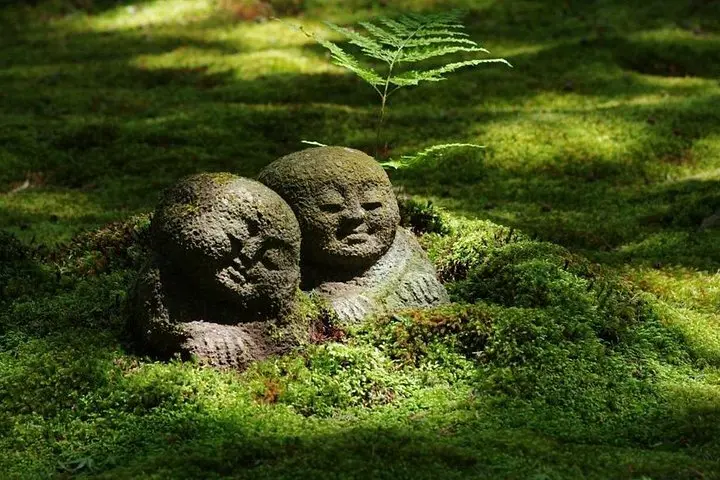
A crisp morning air meets the group at the bus loading area and the city gives way to rolling hills as the vehicle climbs toward Ohara. Visitors step from the bus into a quiet world of mossed stones, shaded ponds and the soft patter of mountain streams at Sanzen-in — a temple with an intimate, contemplative presence that rewards slow walking.
Verified experiences and guided adventures in the surrounding area.
Operated by Hotel Takitei · Kyoto, Kyoto Prefecture
A crisp morning air meets the group at the bus loading area and the city gives way to rolling hills as the vehicle climbs toward Ohara. Visitors step from the bus into a quiet world of mossed stones, shaded ponds and the soft patter of mountain streams at Sanzen-in — a temple with an intimate, contemplative presence that rewards slow walking.
Sanzen-in is one of Kyoto’s monzeki temples historically overseen by imperial priests; its pond gardens and wooden Amida statue reflect centuries of Tendai practice and Edo-period garden design. Later, the tour moves west to Arashiyama, where the Sagano Bamboo Grove funnels light and wind into a corridor of towering culms and Tenryu-ji’s Zen gardens frame the Arashiyama valley. The area carries layered histories: Heian-period country estates, river commerce on the Ōi, and preserved temple layouts designated as UNESCO heritage.
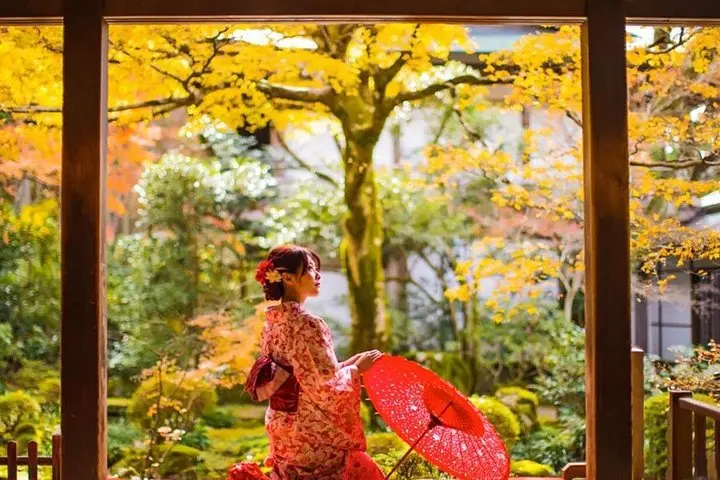
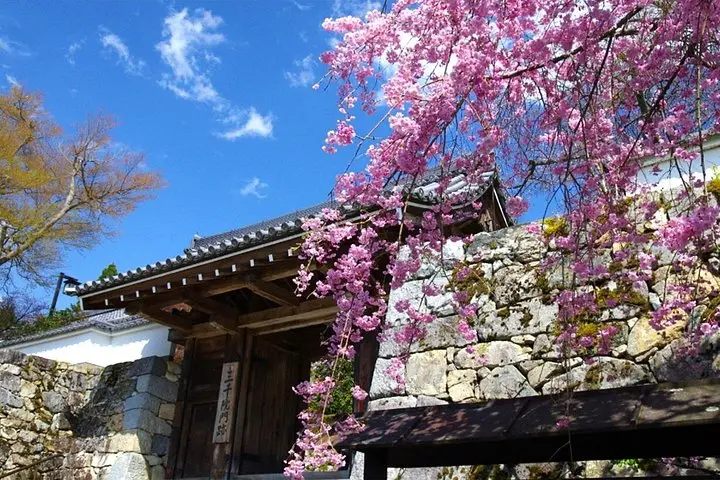
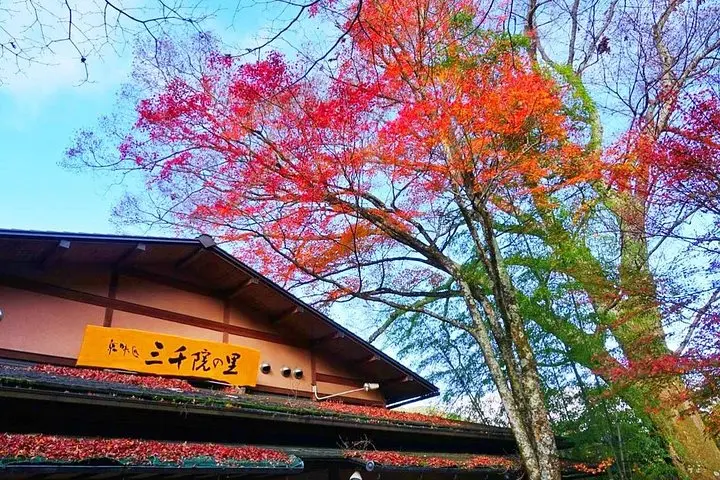
Expect roughly nine hours on the road with two main stops: approximately two hours at Sanzen-in and 2–3 hours in Arashiyama including the 500m bamboo walk. Terrain is paved paths, stone steps and short forest trails; elevation changes are modest but there is more walking than a typical city tour. Seasonal rhythm matters: cherry blossoms and spring azaleas fill the slopes, summer keeps the bamboo cool, and autumn produces peak crowds for foliage.
Practical notes: wear sturdy walking shoes, carry cash for small shops, arrive early to avoid crowds, and give moss and temple grounds the space they need. With a little patience the day balances cultural depth with fresh-air exploration.
The tour is about nine hours with guided transfers; expect a relaxed pace at key sites but sustained walking and short uphill sections.
Admissions are generally not included—bring cash for entrance fees where required and check each temple’s rules on photography.
The trip is family-friendly but involves steps and uneven paths; those with limited mobility should contact the operator in advance for accessibility details.
The guide provides multilingual commentary; with small groups the guide may also drive and offer simplified explanations.
Hotel Takitei operates guided outdoor trips and adventures with an emphasis on safety, stewardship, and memorable experiences.
A crisp morning air meets the group at the bus loading area and the city gives way to rolling hills as the vehicle climbs toward Ohara. Visitors step from the bus into a quiet world of mossed stones, shaded ponds and the soft patter of mountain streams at Sanzen-in — a temple with an intimate, contemplative presence that rewards slow walking.
A crisp morning air meets the group at the bus loading area and the city gives way to rolling hills as the vehicle climbs toward Ohara. Visitors step from the bus into a quiet world of mossed stones, shaded ponds and the soft patter of mountain streams at Sanzen-in — a temple with an intimate, contemplative presence that rewards slow walking.
Sanzen-in is one of Kyoto’s monzeki temples historically overseen by imperial priests; its pond gardens and wooden Amida statue reflect centuries of Tendai practice and Edo-period garden design. Later, the tour moves west to Arashiyama, where the Sagano Bamboo Grove funnels light and wind into a corridor of towering culms and Tenryu-ji’s Zen gardens frame the Arashiyama valley. The area carries layered histories: Heian-period country estates, river commerce on the Ōi, and preserved temple layouts designated as UNESCO heritage.
Expect roughly nine hours on the road with two main stops: approximately two hours at Sanzen-in and 2–3 hours in Arashiyama including the 500m bamboo walk. Terrain is paved paths, stone steps and short forest trails; elevation changes are modest but there is more walking than a typical city tour. Seasonal rhythm matters: cherry blossoms and spring azaleas fill the slopes, summer keeps the bamboo cool, and autumn produces peak crowds for foliage.
Practical notes: wear sturdy walking shoes, carry cash for small shops, arrive early to avoid crowds, and give moss and temple grounds the space they need. With a little patience the day balances cultural depth with fresh-air exploration.