THE ADVENTURE COLLECTIVE® · Independent discovery and booking for outdoor travel

Walk the bones of São Paulo’s historic center with an English-speaking guide who links Jesuit origins to 20th-century skyscrapers and cultural milestones. This three-hour route covers Pátio do Colégio, Sé Cathedral, Martinelli Building, Farol Santander and Theatro Municipal.
Walk the bones of São Paulo’s historic center with an English-speaking guide who links Jesuit origins to 20th-century skyscrapers and cultural milestones. This three-hour route covers Pátio do Colégio, Sé Cathedral, Martinelli Building, Farol Santander and Theatro Municipal.
Cobblestones click underfoot as São Paulo wakes: street vendors arranging fruit, trams' echoes folded into the morning hum, and a guide pointing out a carved stone lintel that has watched the city change for a century. This three-hour guided walk threads the downtown core from Pátio do Colégio — the Jesuit foundation where São Paulo began in 1554 — through the cathedral plaza to the stacked vertical history of Martinelli and the panoramic windows of Farol Santander.
Verified experiences and guided adventures in the surrounding area.
Operated by Guydeez · São Paulo, São Paulo
Cobblestones click underfoot as São Paulo wakes: street vendors arranging fruit, trams' echoes folded into the morning hum, and a guide pointing out a carved stone lintel that has watched the city change for a century. This three-hour guided walk threads the downtown core from Pátio do Colégio — the Jesuit foundation where São Paulo began in 1554 — through the cathedral plaza to the stacked vertical history of Martinelli and the panoramic windows of Farol Santander.
The tour stitches together eras: colonial mission outposts, early-20th-century skyscrapers born of industrial growth, and the beaux-arts flourishes of Theatro Municipal where the 1922 Week of Modern Art reshaped Brazilian culture. The ground here sits on the São Paulo plateau, an urban landscape of gradual rises and long avenues that reveal the city’s growth more than dramatic geology. Architecture is the city's language — Gothic-inspired stone, reinforced concrete, and industrial masonry speak to waves of wealth and migration.
Expect a mix of open plazas and busy avenues, political landmarks at Vale do Anhangabaú, and quieter interior courtyards like the Benedictine Monastery, where Gregorian chant still softens the day. Practical note: the walk is largely flat and accessible, with frequent transit links and a rhythm that favors mornings or late afternoons to avoid midday heat. Bring comfortable shoes, a refillable water bottle, light rain protection in summer, and an interest in how civic spaces shape daily life. The guide will contextualize what you see, but note this tour focuses on exteriors — most monuments are viewed rather than entered — so plan separate visits if you want museum or cathedral interiors.
No — this walking tour focuses on exterior views and city context; separate tickets are needed for interior visits to museums or the cathedral.
The tour runs about three hours at a steady, accessible walking pace with regular stops for explanation and photos.
Yes — the route is described as wheelchair accessible, though some streets have cobbles; contact the operator if you require additional assistance.
English is provided; guides may also offer Spanish, French, or Italian depending on booking and availability.
Guydeez operates guided outdoor trips and adventures with an emphasis on safety, stewardship, and memorable experiences.
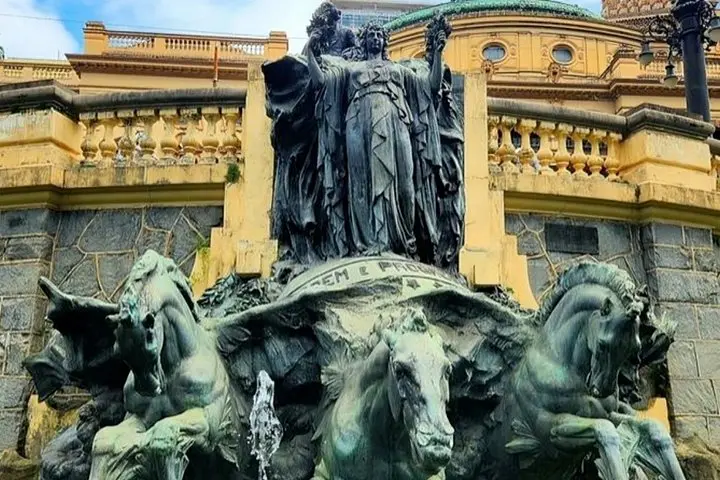
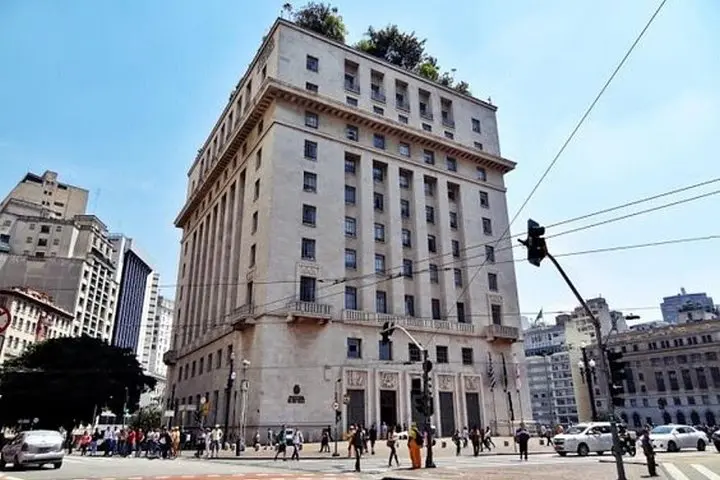
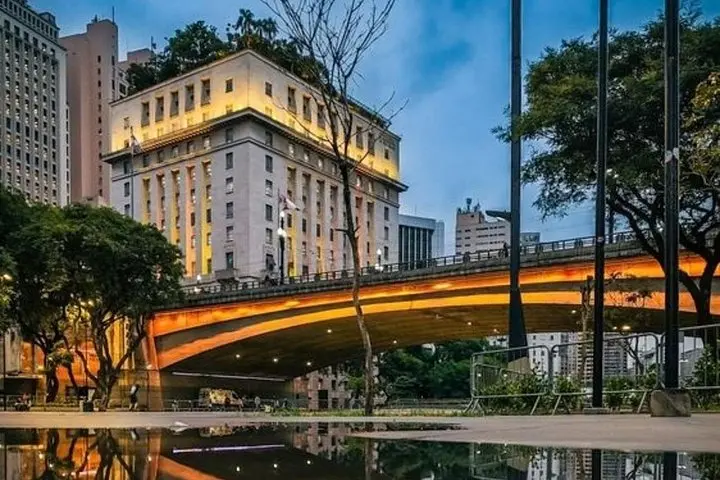
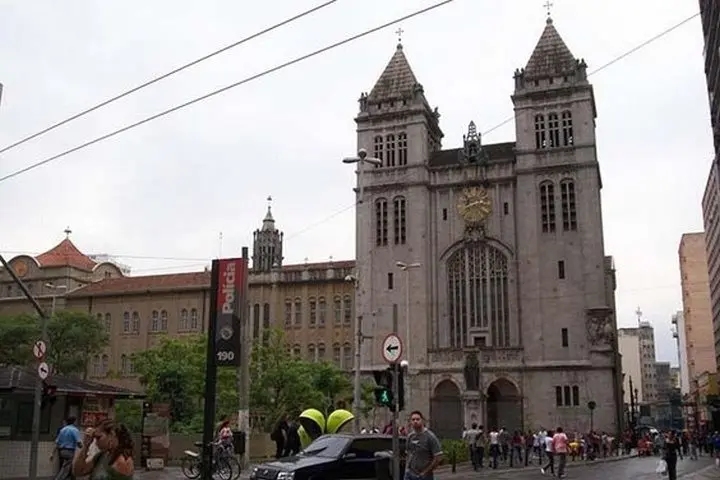
Cobblestones click underfoot as São Paulo wakes: street vendors arranging fruit, trams' echoes folded into the morning hum, and a guide pointing out a carved stone lintel that has watched the city change for a century. This three-hour guided walk threads the downtown core from Pátio do Colégio — the Jesuit foundation where São Paulo began in 1554 — through the cathedral plaza to the stacked vertical history of Martinelli and the panoramic windows of Farol Santander.
Cobblestones click underfoot as São Paulo wakes: street vendors arranging fruit, trams' echoes folded into the morning hum, and a guide pointing out a carved stone lintel that has watched the city change for a century. This three-hour guided walk threads the downtown core from Pátio do Colégio — the Jesuit foundation where São Paulo began in 1554 — through the cathedral plaza to the stacked vertical history of Martinelli and the panoramic windows of Farol Santander.
The tour stitches together eras: colonial mission outposts, early-20th-century skyscrapers born of industrial growth, and the beaux-arts flourishes of Theatro Municipal where the 1922 Week of Modern Art reshaped Brazilian culture. The ground here sits on the São Paulo plateau, an urban landscape of gradual rises and long avenues that reveal the city’s growth more than dramatic geology. Architecture is the city's language — Gothic-inspired stone, reinforced concrete, and industrial masonry speak to waves of wealth and migration.
Expect a mix of open plazas and busy avenues, political landmarks at Vale do Anhangabaú, and quieter interior courtyards like the Benedictine Monastery, where Gregorian chant still softens the day. Practical note: the walk is largely flat and accessible, with frequent transit links and a rhythm that favors mornings or late afternoons to avoid midday heat. Bring comfortable shoes, a refillable water bottle, light rain protection in summer, and an interest in how civic spaces shape daily life. The guide will contextualize what you see, but note this tour focuses on exteriors — most monuments are viewed rather than entered — so plan separate visits if you want museum or cathedral interiors.