THE ADVENTURE COLLECTIVE® · Independent discovery and booking for outdoor travel
A compact, shore-based tour from the port of São Tomé that stitches together cocoa-roça history, black-sand beaches, Mioba waterfall and the towering Pico Cão Grande—ideal for cruise passengers wanting a clear, engaging introduction to the island.
A compact, shore-based tour from the port of São Tomé that stitches together cocoa-roça history, black-sand beaches, Mioba waterfall and the towering Pico Cão Grande—ideal for cruise passengers wanting a clear, engaging introduction to the island.
You step off the gangway into a humid, sunlit port where the Atlantic breathes warm and slightly salty air over the town of São Tomé. Guides hold agency placards; a short roll call and the first rattle of an air-conditioned minibus and you are offshore and inland in the same breath. The island unfolds in green waves—coconut palms, compact colonial houses, and a volcanic skyline dominated by a single, vertical tooth: Pico Cão Grande.
Verified experiences and guided adventures in the surrounding area.
Operated by Ban Be Non Tours · São Tomé, Água Grande
You step off the gangway into a humid, sunlit port where the Atlantic breathes warm and slightly salty air over the town of São Tomé. Guides hold agency placards; a short roll call and the first rattle of an air-conditioned minibus and you are offshore and inland in the same breath. The island unfolds in green waves—coconut palms, compact colonial houses, and a volcanic skyline dominated by a single, vertical tooth: Pico Cão Grande.
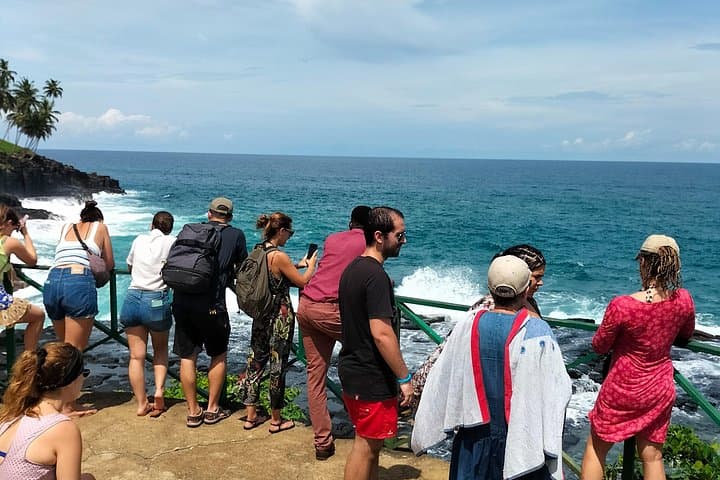
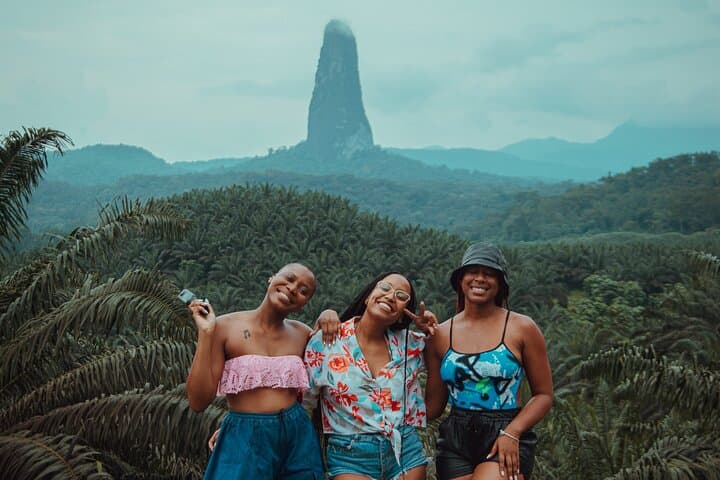
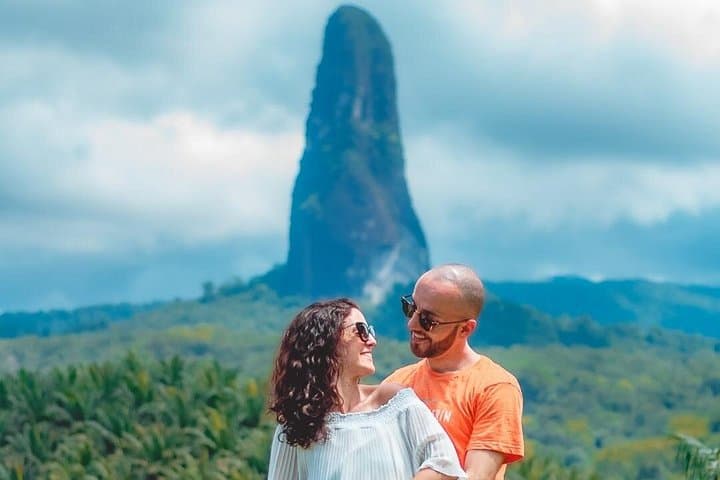
The route is a compact primer on São Tomé and Príncipe: Roça Água Izé, a former cocoa plantation that maps Portugal’s colonial economy and the island’s agricultural architecture; coastal cliffs at Boca de Inferno that show basalt meeting surf; a short look at a black-sand beach where volcanic minerals still color the sand; the broad, circular Mioba waterfall near a fishing village; and, finally, a skyline stop to admire Pico Cão Grande, a 600–700 m volcanic plug that rises like a man-made tower from a plateau carved by erosion.
Geology is visible here—lava intrusions hardened into the plug that became Pico Cão Grande; surrounding soils are rich and dark, a reason cocoa plantations once flourished. Culture is hands-on: the Roça houses, former hospital blocks and drying yards speak to the labor and trade that shaped daily life. The National Museum in São Tomé town fills gaps with objects, oral histories and artifacts that explain ethnic groups and the creole culture you hear in street rhythms.
This shore excursion is primarily a drive-with-stops format: expect roughly 6½ hours total, with multiple short walks—photo stops, a 10–20 minute shoreline scramble, and a short riverside stroll at Mioba. Terrain ranges from paved roads into rougher plantation tracks; sturdy shoes and steady footing are recommended. The tour is paced for cruise passengers—moderate activity, frequent bathroom-friendly stops and a return to port on schedule.
Practical notes: carry reef-safe sunscreen and a refillable water bottle (the tour provides bottled water in the vehicle), a light rain shell for sudden squalls, and small bills for coconut water or market purchases. Bring a camera with a zoom for village scenes and a wide lens for the spire of Pico Cão Grande. If you want time inside Roça buildings or the museum, mention it when booking so the guide can allocate minutes accordingly.
This day trip gives first-time visitors a clear orientation to São Tomé’s landscape and history—geological drama, coastal energy, cocoa-commerce echoes and local rhythms—compact enough for a cruise call but rich enough to entice a return longer stay.
Yes—pick-up and drop-off are at the port and the itinerary is paced to return passengers to their ship in time for departure.
Yes—the National Museum entrance fee is included in the tour price.
The tour features short, mostly easy walks (10–20 minutes) at viewpoints and beaches; no long hikes are required.
The tour supplies water in the vehicle; food stops are occasional and purchases like coconut water are at your expense.
Not recommended for travelers with severe mobility issues or spinal conditions—there are some uneven surfaces and short climbs.
Guides commonly speak Portuguese and often English; confirm language needs when booking if another language is required.
Ban Be Non Tours operates guided outdoor trips and adventures with an emphasis on safety, stewardship, and memorable experiences.

You step off the gangway into a humid, sunlit port where the Atlantic breathes warm and slightly salty air over the town of São Tomé. Guides hold agency placards; a short roll call and the first rattle of an air-conditioned minibus and you are offshore and inland in the same breath. The island unfolds in green waves—coconut palms, compact colonial houses, and a volcanic skyline dominated by a single, vertical tooth: Pico Cão Grande.
You step off the gangway into a humid, sunlit port where the Atlantic breathes warm and slightly salty air over the town of São Tomé. Guides hold agency placards; a short roll call and the first rattle of an air-conditioned minibus and you are offshore and inland in the same breath. The island unfolds in green waves—coconut palms, compact colonial houses, and a volcanic skyline dominated by a single, vertical tooth: Pico Cão Grande.
The route is a compact primer on São Tomé and Príncipe: Roça Água Izé, a former cocoa plantation that maps Portugal’s colonial economy and the island’s agricultural architecture; coastal cliffs at Boca de Inferno that show basalt meeting surf; a short look at a black-sand beach where volcanic minerals still color the sand; the broad, circular Mioba waterfall near a fishing village; and, finally, a skyline stop to admire Pico Cão Grande, a 600–700 m volcanic plug that rises like a man-made tower from a plateau carved by erosion.
Geology is visible here—lava intrusions hardened into the plug that became Pico Cão Grande; surrounding soils are rich and dark, a reason cocoa plantations once flourished. Culture is hands-on: the Roça houses, former hospital blocks and drying yards speak to the labor and trade that shaped daily life. The National Museum in São Tomé town fills gaps with objects, oral histories and artifacts that explain ethnic groups and the creole culture you hear in street rhythms.
This shore excursion is primarily a drive-with-stops format: expect roughly 6½ hours total, with multiple short walks—photo stops, a 10–20 minute shoreline scramble, and a short riverside stroll at Mioba. Terrain ranges from paved roads into rougher plantation tracks; sturdy shoes and steady footing are recommended. The tour is paced for cruise passengers—moderate activity, frequent bathroom-friendly stops and a return to port on schedule.
Practical notes: carry reef-safe sunscreen and a refillable water bottle (the tour provides bottled water in the vehicle), a light rain shell for sudden squalls, and small bills for coconut water or market purchases. Bring a camera with a zoom for village scenes and a wide lens for the spire of Pico Cão Grande. If you want time inside Roça buildings or the museum, mention it when booking so the guide can allocate minutes accordingly.
This day trip gives first-time visitors a clear orientation to São Tomé’s landscape and history—geological drama, coastal energy, cocoa-commerce echoes and local rhythms—compact enough for a cruise call but rich enough to entice a return longer stay.
