THE ADVENTURE COLLECTIVE® · Independent discovery and booking for outdoor travel

Skip the catamaran crush and spend a day exploring Saona Island’s quieter bays, a natural swimming pool full of starfish, and a small village sea-turtle project. This VIP cruise from La Romana times its pickup to cruise ships and blends snorkeling, culture and a traditional Dominican BBQ.
Skip the catamaran crush and spend a day exploring Saona Island’s quieter bays, a natural swimming pool full of starfish, and a small village sea-turtle project. This VIP cruise from La Romana times its pickup to cruise ships and blends snorkeling, culture and a traditional Dominican BBQ.
You step off the air-conditioned minivan into a small concrete lot and the island begins to call: gulls cut the bright horizon, a long wooden jetty points toward a band of white sand, and the sea—every shade between turquoise and cobalt—seems to pull your attention away from the engine noise of the mainland.
Verified experiences and guided adventures in the surrounding area.
Operated by SeavisTours · Bayahibe, La Altagracia Province
You step off the air-conditioned minivan into a small concrete lot and the island begins to call: gulls cut the bright horizon, a long wooden jetty points toward a band of white sand, and the sea—every shade between turquoise and cobalt—seems to pull your attention away from the engine noise of the mainland.
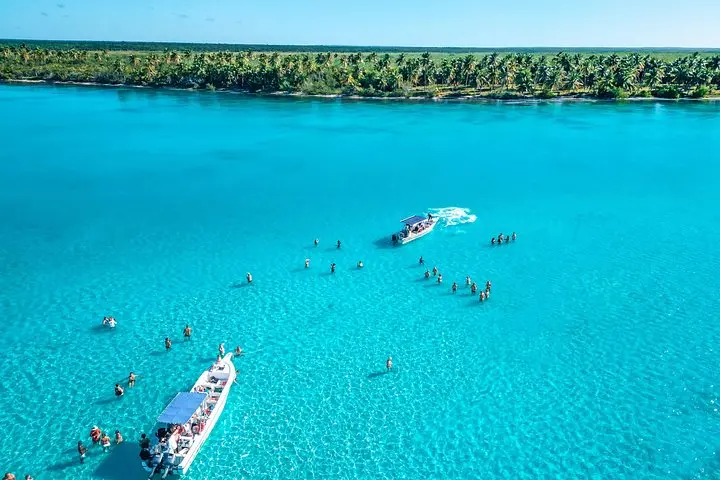
This is a different Saona: not the overrun catamaran beaches pictured in glossy postcards but a quieter route of reefs, mangroves and three of the island’s most secluded bays. The SeavisTours ‘Crusoe VIP’ excursion leaves La Romana timed to cruise schedules and treats the day like a sea voyage and a field trip. Guides steady the rhythm—history at El Peñón, village life at Mano Juan, and marine biology at the Piscina Natural where starfish crawl amid seagrass and the water never reaches deeper than waist height.
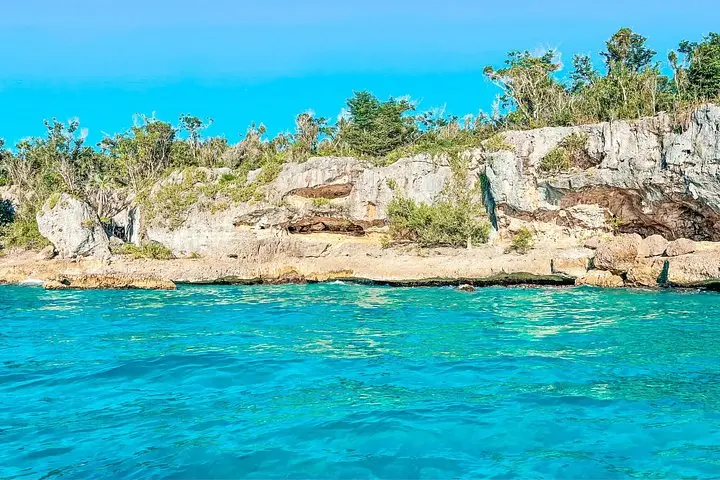
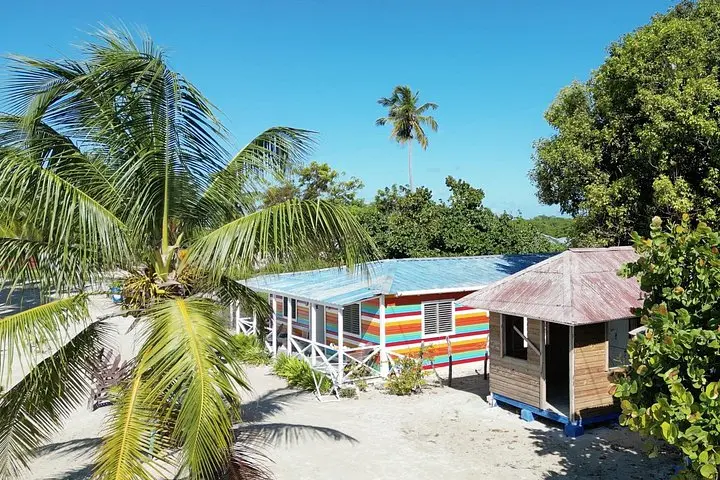
Geologically Saona is simple and compelling: a low-lying coral-sand island rimmed by a protective reef that has sculpted shallow lagoons and long crescent beaches. The coastline you skim by boat skirts Parque Nacional Cotubanamá, a protected zone that preserves mangrove nurseries and the reef systems that filter the Caribbean’s clarity. Cultural notes arrive along the way: guides point to El Peñón, once a Taino refuge and still a marker in local oral history, and to Mano Juan, a 300-resident fishing village where no cars go and where a small sea-turtle conservation project works to boost hatchling survival.
Practical side: this is a full-day, nine-hour outing that blends travel on land and sea with short walks. Lunch is a traditional Dominican barbecue buffet served on SeavisTours’ concession beach; snorkeling equipment is provided, and the shallow reefs at Canto de la Playa are ideal for beginners. Bring reef-safe sunscreen, a waterproof bag, and an eye for low-tide micro-life—the Piscina Natural is famous for live starfish. Seas can be calm or choppy; if you are prone to motion sickness, take precautions before boarding.
Timing and crowds matter: mornings tend to be quieter and winds calmer for snorkeling; the boat runs are adjusted to cruise-ship arrivals, so confirm pickup details and the transfer code for Taxi Casa de Campo. Respect the protected zones—the mangrove channel is off-limits for boats but you’ll travel along its edge and hear why those trees are central to the island’s coastal health. With a mix of shallow snorkeling, hammock time and cultural stops, the Saona Crusoe VIP is a convincing alternative if you want the island’s beauty without the catamaran crowds.
The trip is approximately nine hours and includes transfers, a traditional Dominican BBQ lunch, snorkeling equipment, drinks, and stops at Mano Juan, Canto de la Playa, Catuano Beach and the Piscina Natural.
Yes—the reef at Canto de la Playa and the Piscina Natural are shallow (under 1.5 m), ideal for first-time snorkelers and families.
Yes—transfer from the cruise port is included; follow the pickup instructions and provide the Taxi Casa de Campo code to the driver to reach the correct meeting point.
Basic restroom and changing facilities are available at the concession beach (Catuano) where lunch is served; facilities in Mano Juan are limited.
Generally yes—children can enjoy snorkeling and shallow waters, but infants must sit on an adult’s lap and the operator does not recommend travel for pregnant people or those with serious back/heart issues.
Tipping is customary for guides and boat crew; 10–15% of the excursion price or a few dollars per person is an appropriate gesture for good service.
SeavisTours operates guided outdoor trips and adventures with an emphasis on safety, stewardship, and memorable experiences.
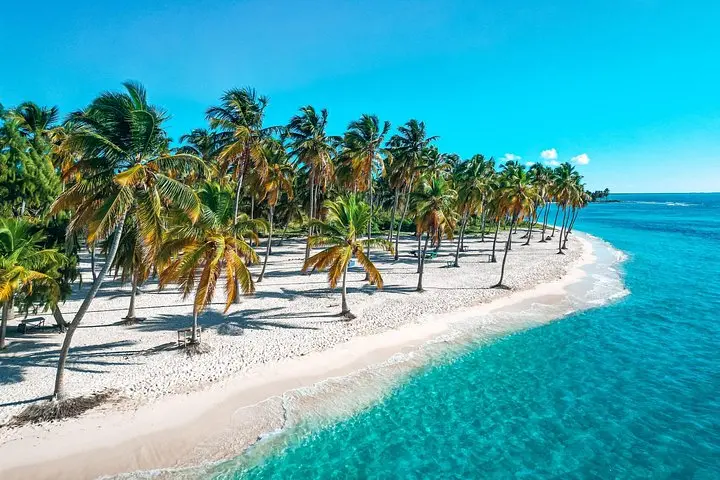
You step off the air-conditioned minivan into a small concrete lot and the island begins to call: gulls cut the bright horizon, a long wooden jetty points toward a band of white sand, and the sea—every shade between turquoise and cobalt—seems to pull your attention away from the engine noise of the mainland.
You step off the air-conditioned minivan into a small concrete lot and the island begins to call: gulls cut the bright horizon, a long wooden jetty points toward a band of white sand, and the sea—every shade between turquoise and cobalt—seems to pull your attention away from the engine noise of the mainland.
This is a different Saona: not the overrun catamaran beaches pictured in glossy postcards but a quieter route of reefs, mangroves and three of the island’s most secluded bays. The SeavisTours ‘Crusoe VIP’ excursion leaves La Romana timed to cruise schedules and treats the day like a sea voyage and a field trip. Guides steady the rhythm—history at El Peñón, village life at Mano Juan, and marine biology at the Piscina Natural where starfish crawl amid seagrass and the water never reaches deeper than waist height.
Geologically Saona is simple and compelling: a low-lying coral-sand island rimmed by a protective reef that has sculpted shallow lagoons and long crescent beaches. The coastline you skim by boat skirts Parque Nacional Cotubanamá, a protected zone that preserves mangrove nurseries and the reef systems that filter the Caribbean’s clarity. Cultural notes arrive along the way: guides point to El Peñón, once a Taino refuge and still a marker in local oral history, and to Mano Juan, a 300-resident fishing village where no cars go and where a small sea-turtle conservation project works to boost hatchling survival.
Practical side: this is a full-day, nine-hour outing that blends travel on land and sea with short walks. Lunch is a traditional Dominican barbecue buffet served on SeavisTours’ concession beach; snorkeling equipment is provided, and the shallow reefs at Canto de la Playa are ideal for beginners. Bring reef-safe sunscreen, a waterproof bag, and an eye for low-tide micro-life—the Piscina Natural is famous for live starfish. Seas can be calm or choppy; if you are prone to motion sickness, take precautions before boarding.
Timing and crowds matter: mornings tend to be quieter and winds calmer for snorkeling; the boat runs are adjusted to cruise-ship arrivals, so confirm pickup details and the transfer code for Taxi Casa de Campo. Respect the protected zones—the mangrove channel is off-limits for boats but you’ll travel along its edge and hear why those trees are central to the island’s coastal health. With a mix of shallow snorkeling, hammock time and cultural stops, the Saona Crusoe VIP is a convincing alternative if you want the island’s beauty without the catamaran crowds.