THE ADVENTURE COLLECTIVE® · Independent discovery and booking for outdoor travel

Spend a full day sailing from Punta Cana to Saona Island on a small-group catamaran: snorkel coral gardens, wade in a natural pool of starfish and lounge on wide white beaches. This guide covers what to expect, local context and the practical gear and tips to make the most of the day.
Spend a full day sailing from Punta Cana to Saona Island on a small-group catamaran: snorkel coral gardens, wade in a natural pool of starfish and lounge on wide white beaches. This guide covers what to expect, local context and the practical gear and tips to make the most of the day.
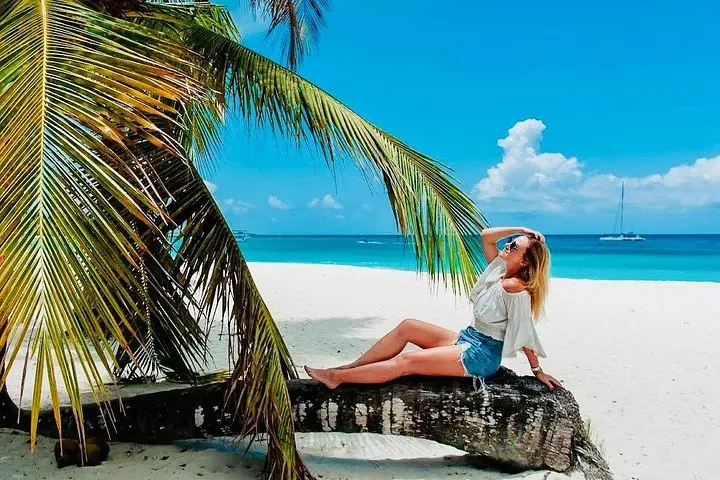
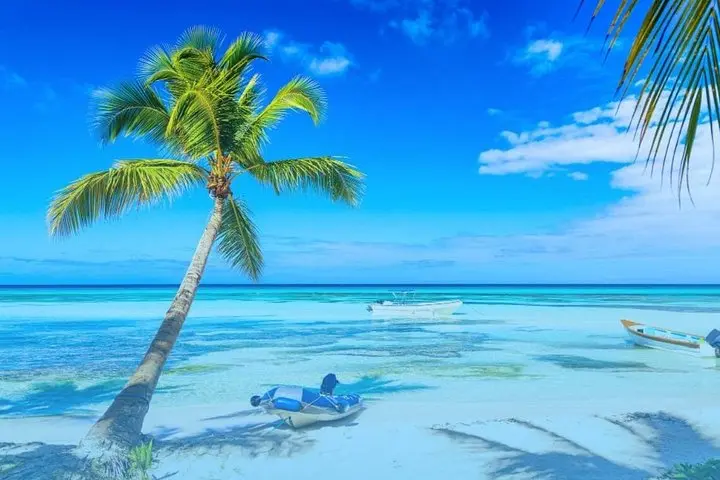
The catamaran slips free of Punta Cana’s harbor and the Caribbean opens like a bright page — turquoise surfaces daring you to dive in. On the horizon, Saona Island grows from a thin palm-studded silhouette into a broad, white lip of sand. Waves nudge the hull as the boat navigates channels threaded with mangroves; gulls wheel and the sun cleans the air.
Verified experiences and guided adventures in the surrounding area.
Operated by Travel Service Punta Cana · Punta Cana, La Altagracia
The catamaran slips free of Punta Cana’s harbor and the Caribbean opens like a bright page — turquoise surfaces daring you to dive in. On the horizon, Saona Island grows from a thin palm-studded silhouette into a broad, white lip of sand. Waves nudge the hull as the boat navigates channels threaded with mangroves; gulls wheel and the sun cleans the air.
Saona sits off the southeastern coast of the Dominican Republic inside Parque Nacional Cotubanamá. The island’s shorelines are formed of Holocene sand deposits and fringing coral reef; the shallow flats near the bay are home to sea stars and seagrass beds that sustain juvenile fish. Indigenous Taíno people used the island long before colonial mapping; its modern name references a Genoese navigator from Savona. Local villages still fish the surrounding waters and serve Dominican-style lunches of rice, beans and slow-roasted meats.
Expect a full 8–9 hour outing that combines sailing, a stop at the famous natural pool to view starfish, snorkeling over coral gardens, and time to swim or relax on powdery beaches. Practical advice: carry reef-safe sunscreen, a waterproof bag and a light cover for boat breezes. Bring any seasickness remedies if you’re prone; transfers often include hotel pickup in Punta Cana.
Onshore, support local vendors and avoid touching starfish or corals. If you plan to photograph wildlife, move slowly: brown pelicans and shore crabs tolerate human presence but will retreat quickly. Time your visit for morning departures to keep midday heat manageable and crowds thinner.
Most full‑day trips run about 8–9 hours including hotel pickup, boat crossings, time at the natural pool, beach time and lunch.
Yes—tours commonly stop at a shallow natural pool where starfish can be seen; snorkeling areas have fringing coral but conditions vary with weather.
Infants must sit on laps; the tour operator advises against participation for pregnant travelers and those with serious back or heart conditions due to boat transfers and activity level.
Most operators include a buffet lunch and an open bar; confirm dietary needs when booking and carry snacks if you have special requirements.
Travel Service Punta Cana operates guided outdoor trips and adventures with an emphasis on safety, stewardship, and memorable experiences.

The catamaran slips free of Punta Cana’s harbor and the Caribbean opens like a bright page — turquoise surfaces daring you to dive in. On the horizon, Saona Island grows from a thin palm-studded silhouette into a broad, white lip of sand. Waves nudge the hull as the boat navigates channels threaded with mangroves; gulls wheel and the sun cleans the air.
The catamaran slips free of Punta Cana’s harbor and the Caribbean opens like a bright page — turquoise surfaces daring you to dive in. On the horizon, Saona Island grows from a thin palm-studded silhouette into a broad, white lip of sand. Waves nudge the hull as the boat navigates channels threaded with mangroves; gulls wheel and the sun cleans the air.
Saona sits off the southeastern coast of the Dominican Republic inside Parque Nacional Cotubanamá. The island’s shorelines are formed of Holocene sand deposits and fringing coral reef; the shallow flats near the bay are home to sea stars and seagrass beds that sustain juvenile fish. Indigenous Taíno people used the island long before colonial mapping; its modern name references a Genoese navigator from Savona. Local villages still fish the surrounding waters and serve Dominican-style lunches of rice, beans and slow-roasted meats.
Expect a full 8–9 hour outing that combines sailing, a stop at the famous natural pool to view starfish, snorkeling over coral gardens, and time to swim or relax on powdery beaches. Practical advice: carry reef-safe sunscreen, a waterproof bag and a light cover for boat breezes. Bring any seasickness remedies if you’re prone; transfers often include hotel pickup in Punta Cana.
Onshore, support local vendors and avoid touching starfish or corals. If you plan to photograph wildlife, move slowly: brown pelicans and shore crabs tolerate human presence but will retreat quickly. Time your visit for morning departures to keep midday heat manageable and crowds thinner.