THE ADVENTURE COLLECTIVE® · Independent discovery and booking for outdoor travel

Two days of valley trails, village homestays and terraced rice views: this Sapa trek pairs moderate walking with an overnight cultural immersion in Ta Van and Giang Ta Chai.
Two days of valley trails, village homestays and terraced rice views: this Sapa trek pairs moderate walking with an overnight cultural immersion in Ta Van and Giang Ta Chai.
You step off the bus into a high, cool air that smells faintly of wet earth and wood smoke—Sapa town sits like a gateway to cloud-washed ridgelines.
Verified experiences and guided adventures in the surrounding area.
Operated by Mekong Tourist · Sapa, Lào Cai
You step off the bus into a high, cool air that smells faintly of wet earth and wood smoke—Sapa town sits like a gateway to cloud-washed ridgelines.
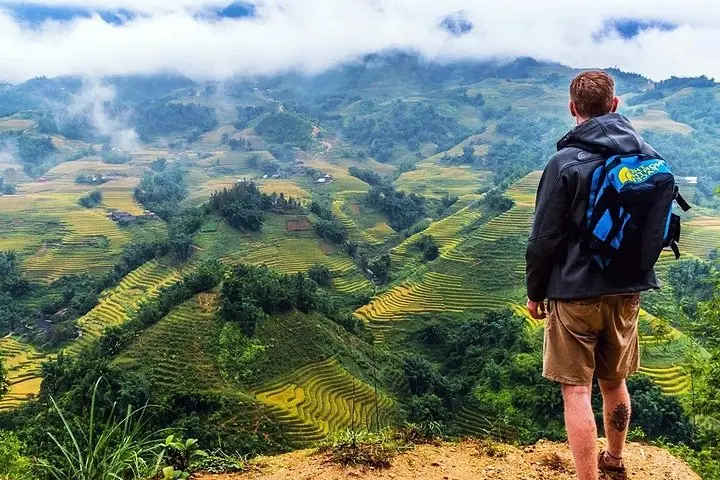
Over two days you follow carved village trails down into Muong Hoa Valley, the path shifting between stone staircases, narrow bridges and rice-terraced slopes. The first afternoon’s walk threads through Y Linh Ho and Lao Chai, Black H’mong villages where children’s laughter and the clack of looms underscore mountain life. By evening you arrive at a Ta Van homestay: simple timber rooms, communal cooking, and a chance to learn spring-roll technique from a local family.
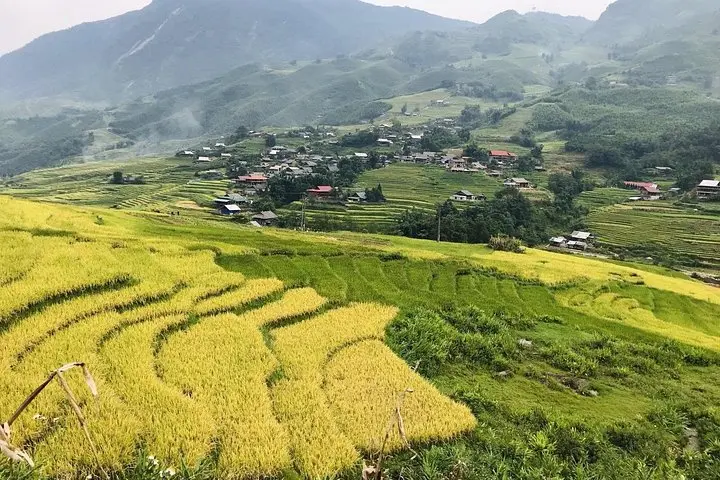
On day two the trek continues toward Giang Ta Chai, home to Red Dao customs and embroidered hill-side gardens. Geologically the Hoang Lien Son range is young and rugged—granite and schist folded into steep valleys that channel monsoon water and shape the terraces below.
Culturally the region is defined by ethnic diversity—H’mong, Red Dao and Tay communities maintain traditional dress, farming practices and crafts that are part of daily life, not staged performance.
Practicalities: expect 6–9 km of walking across two days on uneven trails, modest elevation changes, and a guided pace suited to many fitness levels. Bring a daypack, rain shell and comfortable trekking shoes. Water and meals are included, and sleeping arrangements are basic but authentic. Start early to catch light on the terraces, and keep noise low in villages out of respect for local rhythms.
The trails are generally moderate with manageable distances; guided pacing and short daily hikes make it suitable for beginners with basic fitness.
A simple family-run homestay in Ta Van with shared facilities, home-cooked meals and basic bedding—authentic but not hotel-standard.
Yes—meals listed (lunch, dinner, breakfast) and round-trip transfers from Sapa are included; sleeping bus from Hanoi is noted separately if booked through the operator.
Yes—operators commonly accommodate vegetarian, vegan and gluten-free requests when informed at booking.
Mekong Tourist operates guided outdoor trips and adventures with an emphasis on safety, stewardship, and memorable experiences.

You step off the bus into a high, cool air that smells faintly of wet earth and wood smoke—Sapa town sits like a gateway to cloud-washed ridgelines.
You step off the bus into a high, cool air that smells faintly of wet earth and wood smoke—Sapa town sits like a gateway to cloud-washed ridgelines.
Over two days you follow carved village trails down into Muong Hoa Valley, the path shifting between stone staircases, narrow bridges and rice-terraced slopes. The first afternoon’s walk threads through Y Linh Ho and Lao Chai, Black H’mong villages where children’s laughter and the clack of looms underscore mountain life. By evening you arrive at a Ta Van homestay: simple timber rooms, communal cooking, and a chance to learn spring-roll technique from a local family.
On day two the trek continues toward Giang Ta Chai, home to Red Dao customs and embroidered hill-side gardens. Geologically the Hoang Lien Son range is young and rugged—granite and schist folded into steep valleys that channel monsoon water and shape the terraces below.
Culturally the region is defined by ethnic diversity—H’mong, Red Dao and Tay communities maintain traditional dress, farming practices and crafts that are part of daily life, not staged performance.
Practicalities: expect 6–9 km of walking across two days on uneven trails, modest elevation changes, and a guided pace suited to many fitness levels. Bring a daypack, rain shell and comfortable trekking shoes. Water and meals are included, and sleeping arrangements are basic but authentic. Start early to catch light on the terraces, and keep noise low in villages out of respect for local rhythms.