THE ADVENTURE COLLECTIVE® · Independent discovery and booking for outdoor travel

A two-day private trek from Sapa into Muong Hoa Valley that pairs terraced landscapes with an overnight homestay in H'mong and Zay villages. Expect waterfalls, bamboo forests, and local hospitality on well-marked paths.
A two-day private trek from Sapa into Muong Hoa Valley that pairs terraced landscapes with an overnight homestay in H'mong and Zay villages. Expect waterfalls, bamboo forests, and local hospitality on well-marked paths.
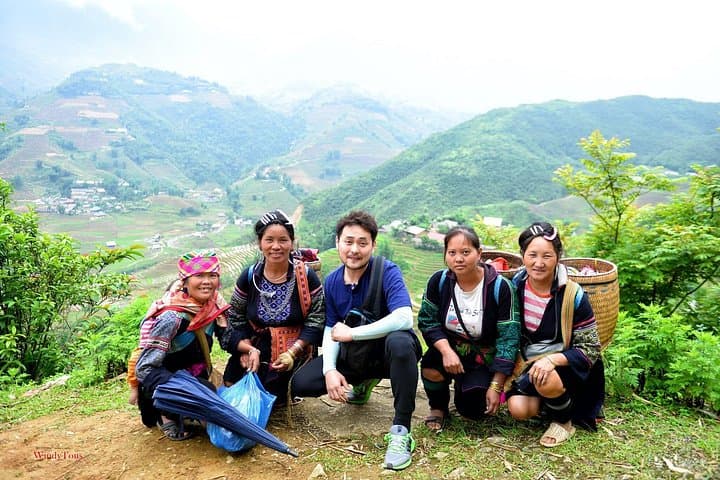
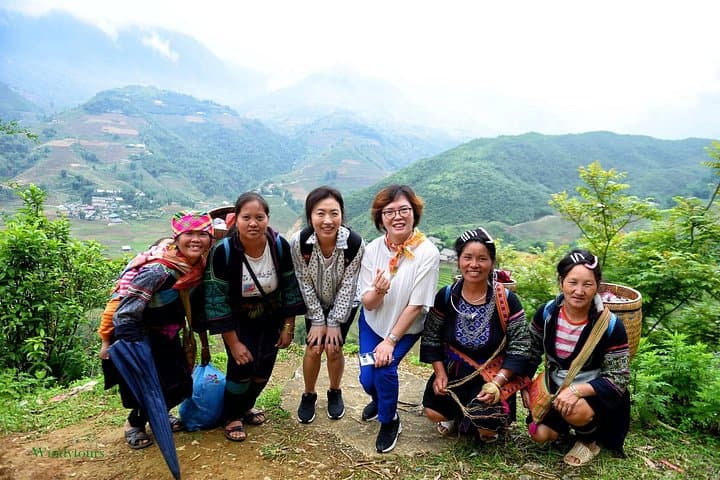
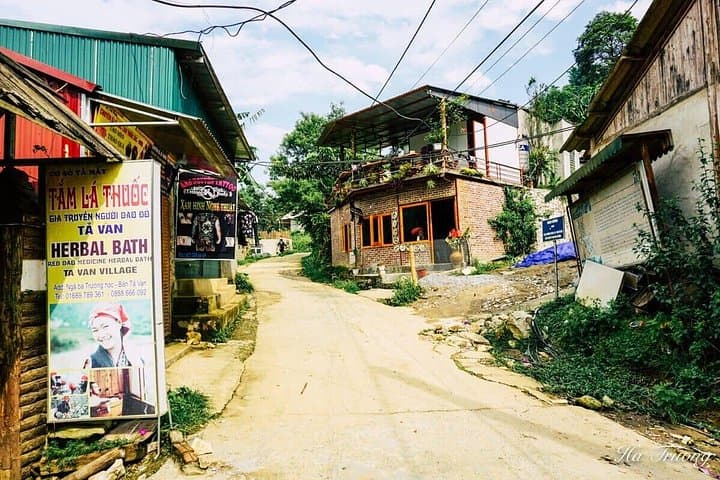
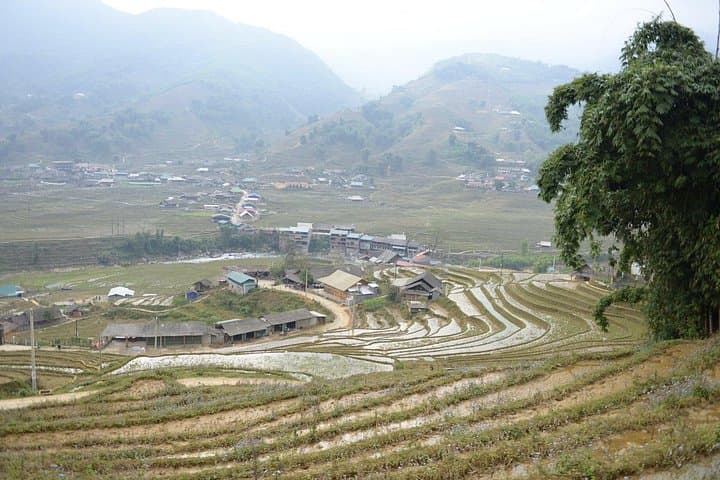
Morning mist peels off the terraces as a narrow trail leads out of Sapa town, rice paddies shifting from glassy pools to stepped green with each hour. The first day maps a gentle descent into Muong Hoa Valley, passing Y Linh Ho and Lao Chai—villages where terraces hug the slopes and children wave from bamboo fences. By evening, guests settle into a family homestay, the house alive with conversation, woven textiles, and the scent of steaming rice.
Verified experiences and guided adventures in the surrounding area.
Operated by Authentic SAPA · Sapa, Lao Cai
Morning mist peels off the terraces as a narrow trail leads out of Sapa town, rice paddies shifting from glassy pools to stepped green with each hour. The first day maps a gentle descent into Muong Hoa Valley, passing Y Linh Ho and Lao Chai—villages where terraces hug the slopes and children wave from bamboo fences. By evening, guests settle into a family homestay, the house alive with conversation, woven textiles, and the scent of steaming rice.
This route threads local history and geology: the Hoang Lien Son range rose from tectonic folds and glacial carving, creating the steep valley that local H'mong and Dao communities adapted into terraces over generations. French colonial notes survive in Sapa’s town planning, but the real heritage is village life—hand-stitched brocades, traditional indigo dyes, and terraced irrigation techniques passed down for centuries.
Practical guidance is straightforward: expect dirt paths, some steep short climbs, and bamboo forest sections between villages. Trails are mostly well-trodden but can be slippery after rain; waterproof shoes and a light rain shell matter. The homestay is basic—bring modest gifts (coffee, school supplies) if you want to reciprocate hospitality. Water is available but carry a reusable bottle and purification tablets for long sections.
Timing matters—early starts capture valley light and avoid midday heat. Guides handle logistics and local introductions; travelers should carry small-denomination dong for local stalls and tipping. This two-day trek balances scenic viewpoints, cultural contact, and manageable hiking, delivering Sapa’s mountain atmosphere with practical comfort.
The route is rated moderate: mostly walking on defined paths with some short steep sections; good for those who walk regularly but not require technical climbing skills.
Homestays are family-run, basic but clean, with shared facilities and home-cooked meals showcasing local ingredients and recipes.
Sapa sits around 1,500m; altitude effects are usually mild—stay hydrated, pace yourself, and inform your guide of any symptoms.
Yes—this private tour includes a local English-speaking guide, admissions listed in the itinerary, and arranged transfers to/from Lao Cai train station.
Authentic SAPA operates guided outdoor trips and adventures with an emphasis on safety, stewardship, and memorable experiences.
Morning mist peels off the terraces as a narrow trail leads out of Sapa town, rice paddies shifting from glassy pools to stepped green with each hour. The first day maps a gentle descent into Muong Hoa Valley, passing Y Linh Ho and Lao Chai—villages where terraces hug the slopes and children wave from bamboo fences. By evening, guests settle into a family homestay, the house alive with conversation, woven textiles, and the scent of steaming rice.
Morning mist peels off the terraces as a narrow trail leads out of Sapa town, rice paddies shifting from glassy pools to stepped green with each hour. The first day maps a gentle descent into Muong Hoa Valley, passing Y Linh Ho and Lao Chai—villages where terraces hug the slopes and children wave from bamboo fences. By evening, guests settle into a family homestay, the house alive with conversation, woven textiles, and the scent of steaming rice.
This route threads local history and geology: the Hoang Lien Son range rose from tectonic folds and glacial carving, creating the steep valley that local H'mong and Dao communities adapted into terraces over generations. French colonial notes survive in Sapa’s town planning, but the real heritage is village life—hand-stitched brocades, traditional indigo dyes, and terraced irrigation techniques passed down for centuries.
Practical guidance is straightforward: expect dirt paths, some steep short climbs, and bamboo forest sections between villages. Trails are mostly well-trodden but can be slippery after rain; waterproof shoes and a light rain shell matter. The homestay is basic—bring modest gifts (coffee, school supplies) if you want to reciprocate hospitality. Water is available but carry a reusable bottle and purification tablets for long sections.
Timing matters—early starts capture valley light and avoid midday heat. Guides handle logistics and local introductions; travelers should carry small-denomination dong for local stalls and tipping. This two-day trek balances scenic viewpoints, cultural contact, and manageable hiking, delivering Sapa’s mountain atmosphere with practical comfort.