THE ADVENTURE COLLECTIVE® · Independent discovery and booking for outdoor travel

Two days in Sapa move from a brief Cat Cat descent to a longer Y Linh Ho–Lao Chai–Ta Van trek, passing rice terraces, Muong Hoa stream and minority villages with an overnight in Sapa town.
Two days in Sapa move from a brief Cat Cat descent to a longer Y Linh Ho–Lao Chai–Ta Van trek, passing rice terraces, Muong Hoa stream and minority villages with an overnight in Sapa town.
A cool mountain mist lifts as the minivan drops you into Sapa town—terraced slopes unfurl like staircases for the sky and local women in embroidered dress move along narrow paths. Daylight here is measured by the river’s pace; Muong Hoa stream cuts the valley and invites you downstream through carved rice benches and stone bridges.
Verified experiences and guided adventures in the surrounding area.
Operated by Authentic MAI CHAU · Sapa, Lao Cai
A cool mountain mist lifts as the minivan drops you into Sapa town—terraced slopes unfurl like staircases for the sky and local women in embroidered dress move along narrow paths. Daylight here is measured by the river’s pace; Muong Hoa stream cuts the valley and invites you downstream through carved rice benches and stone bridges.
The Hoang Lien Son massif frames the trip, its highest point Fansipan at 3,143 m, and the region’s geology produces steep valleys and fast-flowing streams that shaped the rice terraces over generations. Sapa was developed as a French hill station in the early 20th century and today is home to Black H’mong, Dzao and Dzay communities whose agricultural rhythms still shape the landscape.
This two-day, one-night itinerary pairs short village treks with a longer 12 km walk through Y Linh Ho, Lao Chai and Ta Van—roughly 4–5 hours of hiking on day two—plus a lighter 3.5 km descent to Cat Cat and a stay in a Sapa hotel. Expect packed lunches, local guide accompaniment, and comfortable transfers from Hanoi (about six hours by bus).
Practical edge: trails can be slippery after rain, temperatures drop after sunset, and cell service is intermittent. Pack layered waterproofs, sturdy shoes, and a light daypack. Time your visit for clear mornings if you want panoramic mountain views; arrive prepared to walk between villages rather than rely on frequent vehicle pickups. Respect local customs, stick to marked paths to protect terraces, and carry out trash—this is living landscape, not a stage set.
Most groups depart Hanoi by comfortable bus or minivan (about 6 hours); pick-up point is typically Hanoi Old Quarter or the bus office.
Yes—this is a guided, moderate trek with short steep sections; basic fitness and steady footwear are sufficient.
Service is intermittent in valleys; Sapa town has ATMs and better coverage, so bring cash for villages.
Bring warm layers, sleepwear, toiletries, any medications and chargers—hotel stays are included but rooms can be cool at night.
Authentic MAI CHAU operates guided outdoor trips and adventures with an emphasis on safety, stewardship, and memorable experiences.
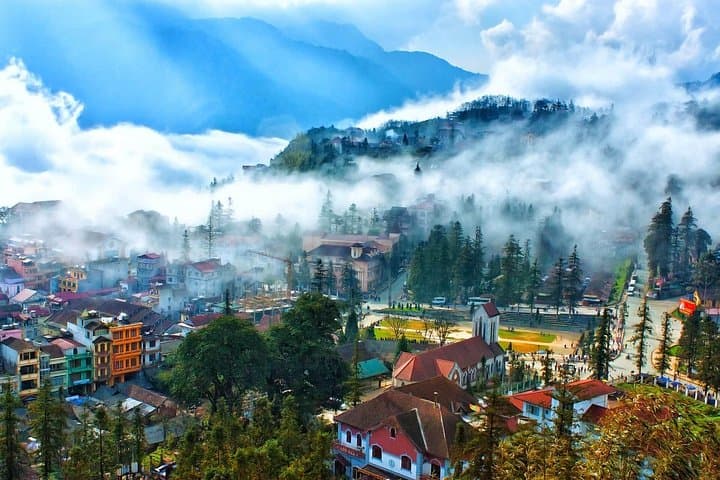

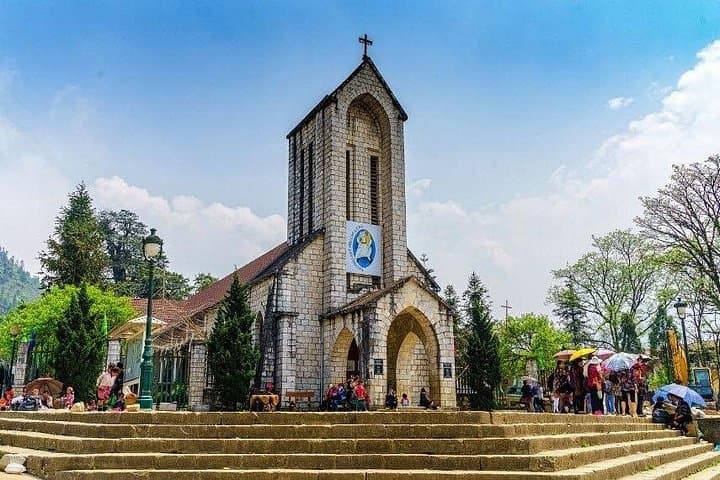
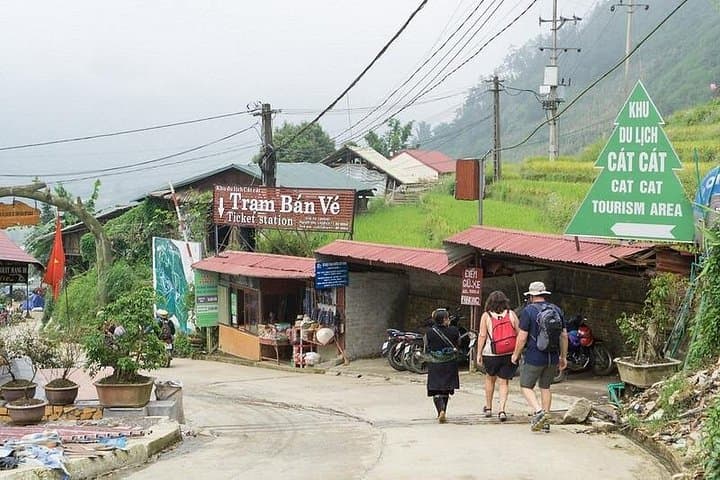
A cool mountain mist lifts as the minivan drops you into Sapa town—terraced slopes unfurl like staircases for the sky and local women in embroidered dress move along narrow paths. Daylight here is measured by the river’s pace; Muong Hoa stream cuts the valley and invites you downstream through carved rice benches and stone bridges.
A cool mountain mist lifts as the minivan drops you into Sapa town—terraced slopes unfurl like staircases for the sky and local women in embroidered dress move along narrow paths. Daylight here is measured by the river’s pace; Muong Hoa stream cuts the valley and invites you downstream through carved rice benches and stone bridges.
The Hoang Lien Son massif frames the trip, its highest point Fansipan at 3,143 m, and the region’s geology produces steep valleys and fast-flowing streams that shaped the rice terraces over generations. Sapa was developed as a French hill station in the early 20th century and today is home to Black H’mong, Dzao and Dzay communities whose agricultural rhythms still shape the landscape.
This two-day, one-night itinerary pairs short village treks with a longer 12 km walk through Y Linh Ho, Lao Chai and Ta Van—roughly 4–5 hours of hiking on day two—plus a lighter 3.5 km descent to Cat Cat and a stay in a Sapa hotel. Expect packed lunches, local guide accompaniment, and comfortable transfers from Hanoi (about six hours by bus).
Practical edge: trails can be slippery after rain, temperatures drop after sunset, and cell service is intermittent. Pack layered waterproofs, sturdy shoes, and a light daypack. Time your visit for clear mornings if you want panoramic mountain views; arrive prepared to walk between villages rather than rely on frequent vehicle pickups. Respect local customs, stick to marked paths to protect terraces, and carry out trash—this is living landscape, not a stage set.