THE ADVENTURE COLLECTIVE® · Independent discovery and booking for outdoor travel

Ascend to Fansipan’s summit via cable car and pedal downhill through Muong Hoa’s terraced valleys on a focused 2‑day Sapa adventure — panoramic peaks, ethnic-village treks, and practical tips for planning.
Ascend to Fansipan’s summit via cable car and pedal downhill through Muong Hoa’s terraced valleys on a focused 2‑day Sapa adventure — panoramic peaks, ethnic-village treks, and practical tips for planning.
The morning fog lifts over rice terraces as you step into Sapa’s cool mountain air — cable cars hum in the distance and villagers move between bamboo houses. This two-day itinerary pairs a high-alpine ascent via the Fansipan cable car with a valley trek through Lao Chai and Ta Van, giving a compact, sensory cross-section of northern Vietnam.
Verified experiences and guided adventures in the surrounding area.
Operated by VN Bike Tour · Sapa, Lao Cai
The morning fog lifts over rice terraces as you step into Sapa’s cool mountain air — cable cars hum in the distance and villagers move between bamboo houses. This two-day itinerary pairs a high-alpine ascent via the Fansipan cable car with a valley trek through Lao Chai and Ta Van, giving a compact, sensory cross-section of northern Vietnam.
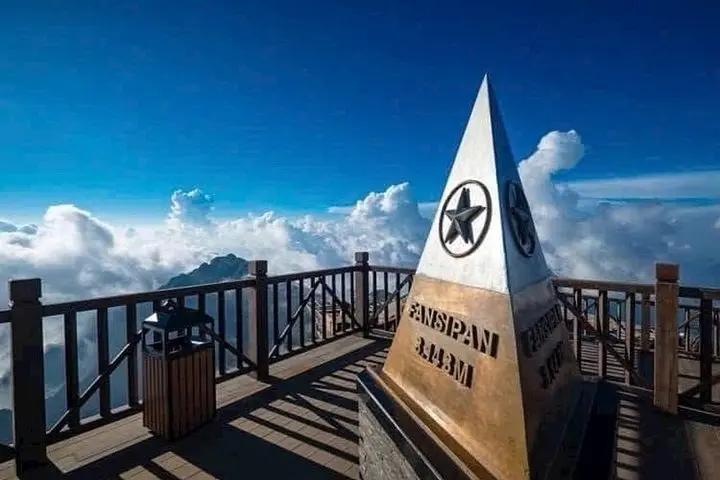
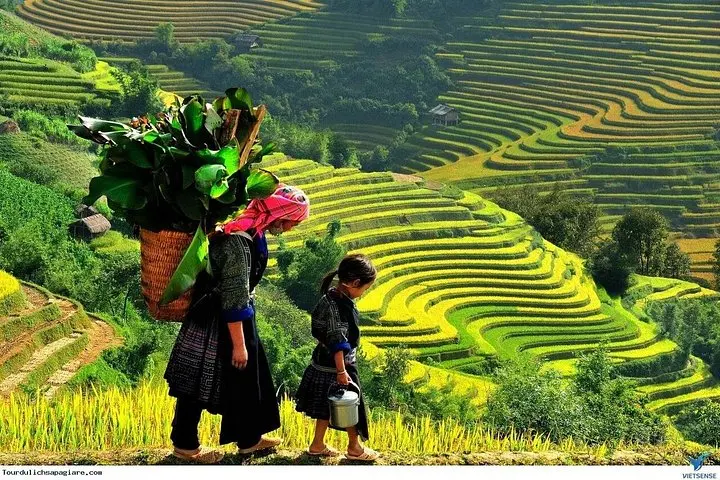
Fansipan, the highest peak in Indochina, rises from Hoang Lien Son’s folded limestone and schist; its summit area sits near 2,800 m where thin air sharpens the view. The Muong Hoa Valley below narrates centuries of human adaptation: carved terraces, Black H’Mong and Red Dao stilt houses, and trails threaded by irrigation channels. French-era hill station history lingers in Sapa town architecture and in the patterns of land use you’ll see while walking.
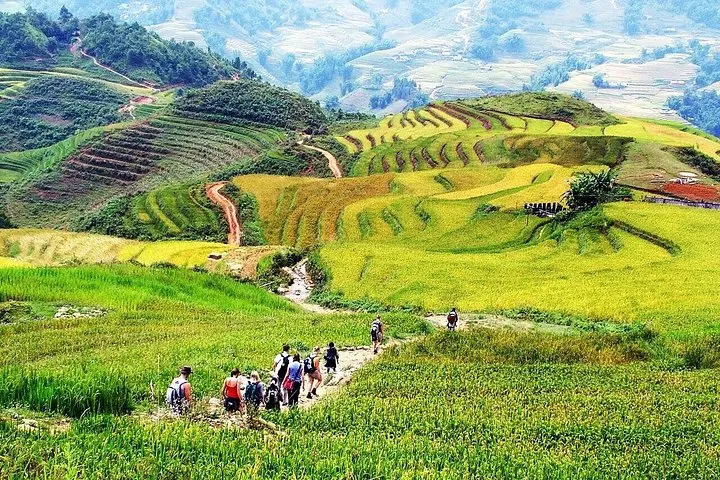
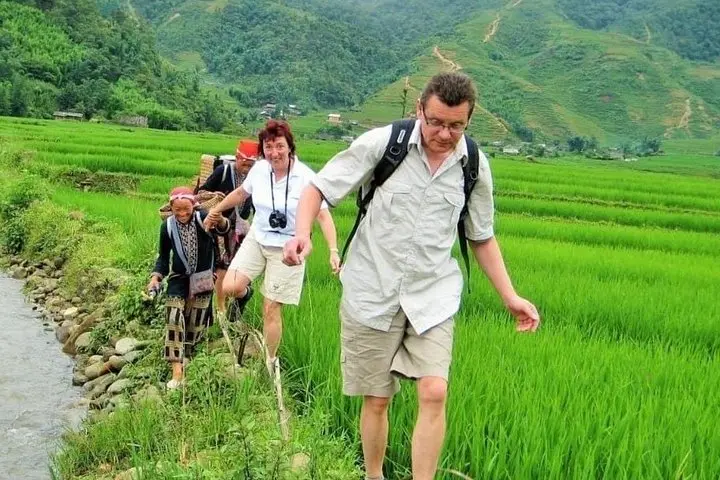
Expect a 20-minute cable car ascent with panoramic windows, a visit to a mountaintop pagoda, and an optional climb of roughly 600 stone steps to the highest viewpoints. The Lao Chai–Ta Van trek traces dirt and stone paths across terraces and bamboo groves, passing small villages where homestays and local craft sellers offer a window into ethnic minority life.
Practicalities: split the trip into a half-day Fansipan visit and a day of trekking; altitude and steep stone steps make a steady pace essential. Wear grippy boots, layer for sudden temperature swings, carry at least 2 liters of water, and bring cash for small purchases in villages. Travel responsibly: stay on trails, respect private farm plots, and consider booking a local guide or homestay to support village incomes.
No technical climbing is required when using the cable car; reaching the highest viewpoints involves steep stone steps but is accessible to fit walkers.
Yes, the cable car and valley treks operate year-round, but weather varies: cooler and clearer in dry months, foggy and wet in the monsoon season.
Guides are not mandatory on the main paths, but hiring a local guide enhances cultural context, navigation on side trails, and community support.
Fansipan’s summit area is high enough to cause mild symptoms for some; hydrate, move slowly, and avoid heavy exertion immediately after ascent.
VN Bike Tour operates guided outdoor trips and adventures with an emphasis on safety, stewardship, and memorable experiences.
The morning fog lifts over rice terraces as you step into Sapa’s cool mountain air — cable cars hum in the distance and villagers move between bamboo houses. This two-day itinerary pairs a high-alpine ascent via the Fansipan cable car with a valley trek through Lao Chai and Ta Van, giving a compact, sensory cross-section of northern Vietnam.
The morning fog lifts over rice terraces as you step into Sapa’s cool mountain air — cable cars hum in the distance and villagers move between bamboo houses. This two-day itinerary pairs a high-alpine ascent via the Fansipan cable car with a valley trek through Lao Chai and Ta Van, giving a compact, sensory cross-section of northern Vietnam.
Fansipan, the highest peak in Indochina, rises from Hoang Lien Son’s folded limestone and schist; its summit area sits near 2,800 m where thin air sharpens the view. The Muong Hoa Valley below narrates centuries of human adaptation: carved terraces, Black H’Mong and Red Dao stilt houses, and trails threaded by irrigation channels. French-era hill station history lingers in Sapa town architecture and in the patterns of land use you’ll see while walking.
Expect a 20-minute cable car ascent with panoramic windows, a visit to a mountaintop pagoda, and an optional climb of roughly 600 stone steps to the highest viewpoints. The Lao Chai–Ta Van trek traces dirt and stone paths across terraces and bamboo groves, passing small villages where homestays and local craft sellers offer a window into ethnic minority life.
Practicalities: split the trip into a half-day Fansipan visit and a day of trekking; altitude and steep stone steps make a steady pace essential. Wear grippy boots, layer for sudden temperature swings, carry at least 2 liters of water, and bring cash for small purchases in villages. Travel responsibly: stay on trails, respect private farm plots, and consider booking a local guide or homestay to support village incomes.