THE ADVENTURE COLLECTIVE® · Independent discovery and booking for outdoor travel

Walk through Muong Hoa’s terraced fields, meet Hmong and Giay communities, and spend a night at Mango House homestay. This two-day trek blends cultural encounters with accessible mountain trails.
Walk through Muong Hoa’s terraced fields, meet Hmong and Giay communities, and spend a night at Mango House homestay. This two-day trek blends cultural encounters with accessible mountain trails.
Dawn hangs low over the Muong Hoa Valley as your group steps from cool Sapa air into a ribbon of terraces that curve down the mountainside. Rice paddies mirror the sky; a river below dares you to follow its route. Over two days you walk 18–23 km through Y Linh Ho, Lao Chai and Ta Van, passing Hmong and Giay houses, then sleep simply on a porch at Mango House where the valley’s night sounds become company.
Verified experiences and guided adventures in the surrounding area.
Operated by Mango Trekking Tours sapa · Sapa, Lao Cai
Dawn hangs low over the Muong Hoa Valley as your group steps from cool Sapa air into a ribbon of terraces that curve down the mountainside. Rice paddies mirror the sky; a river below dares you to follow its route. Over two days you walk 18–23 km through Y Linh Ho, Lao Chai and Ta Van, passing Hmong and Giay houses, then sleep simply on a porch at Mango House where the valley’s night sounds become company.
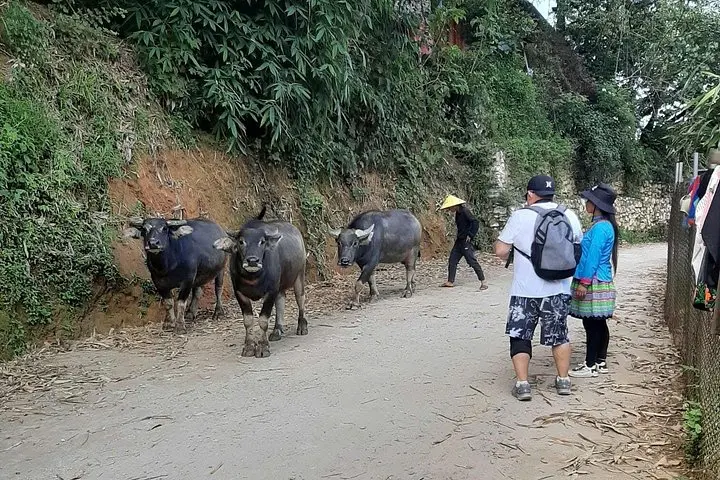
This landscape is young by geological time—karst ridges and eroded shale create steep valleys and narrow terraces carved for generations of upland rice cultivation. Sapa’s ethnic mosaic includes Black Hmong, Red Dao and Giay peoples whose textile crafts, indigo dyes and herbal knowledge remain visible in daily life.
Expect dirt trails, stone steps and intermittent paved village lanes; sections can be steep but rarely technical. Day one covers about 10–15 km through valley descents and gentle climbs; day two is ~8 km through bamboo forest to a waterfall and Giang Ta Chai village before a short transfer back to Sapa.
Practicalities: moderate fitness is required—be ready for 4–7 hours of walking each day with uneven ground. Pack layers, rain protection (monsoon months), and cash for small purchases in villages. Hydrate frequently; filtered water and simple meals are provided by the operator. Respect local customs: ask before photographing people and avoid trampling crops.
This trek pairs cultural immersion with manageable terrain—a compact, authentic introduction to northern Vietnam’s hill-country life and landscapes.
Moderate fitness is required—expect 4–7 hours walking per day over uneven terrain and short, steep sections; regular walkers will find it manageable.
Mango House is a simple family-run homestay with shared facilities, home-cooked meals, and basic bedding; bring a lightweight sleep liner if you prefer extra hygiene.
Breakfast, lunch and dinner are included, plus one bottle of filtered water; bring extra water or purification if you prefer more than provided.
Signal is intermittent in valleys and villages; ATMs are available only in Sapa town—bring cash for purchases and emergencies.
Mango Trekking Tours sapa operates guided outdoor trips and adventures with an emphasis on safety, stewardship, and memorable experiences.
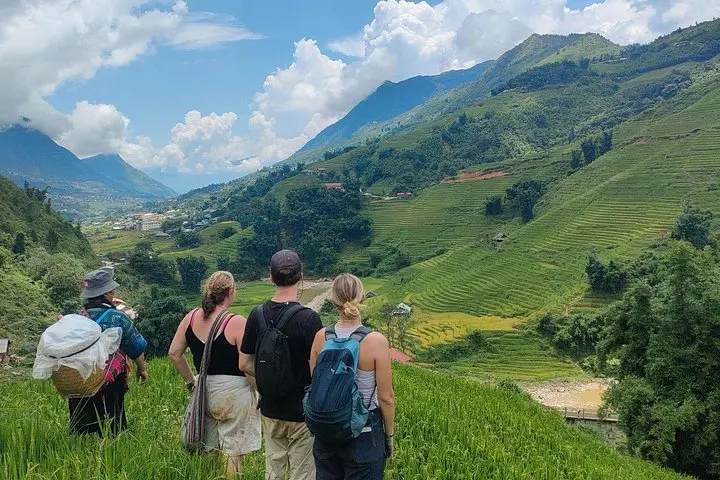
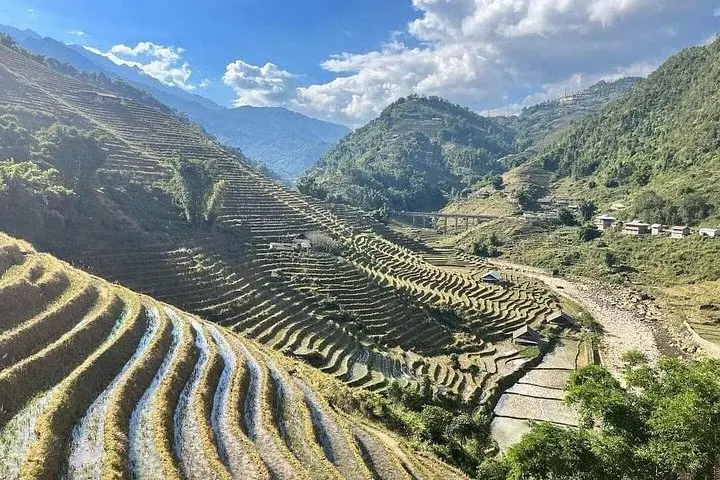
Dawn hangs low over the Muong Hoa Valley as your group steps from cool Sapa air into a ribbon of terraces that curve down the mountainside. Rice paddies mirror the sky; a river below dares you to follow its route. Over two days you walk 18–23 km through Y Linh Ho, Lao Chai and Ta Van, passing Hmong and Giay houses, then sleep simply on a porch at Mango House where the valley’s night sounds become company.
Dawn hangs low over the Muong Hoa Valley as your group steps from cool Sapa air into a ribbon of terraces that curve down the mountainside. Rice paddies mirror the sky; a river below dares you to follow its route. Over two days you walk 18–23 km through Y Linh Ho, Lao Chai and Ta Van, passing Hmong and Giay houses, then sleep simply on a porch at Mango House where the valley’s night sounds become company.
This landscape is young by geological time—karst ridges and eroded shale create steep valleys and narrow terraces carved for generations of upland rice cultivation. Sapa’s ethnic mosaic includes Black Hmong, Red Dao and Giay peoples whose textile crafts, indigo dyes and herbal knowledge remain visible in daily life.
Expect dirt trails, stone steps and intermittent paved village lanes; sections can be steep but rarely technical. Day one covers about 10–15 km through valley descents and gentle climbs; day two is ~8 km through bamboo forest to a waterfall and Giang Ta Chai village before a short transfer back to Sapa.
Practicalities: moderate fitness is required—be ready for 4–7 hours of walking each day with uneven ground. Pack layers, rain protection (monsoon months), and cash for small purchases in villages. Hydrate frequently; filtered water and simple meals are provided by the operator. Respect local customs: ask before photographing people and avoid trampling crops.
This trek pairs cultural immersion with manageable terrain—a compact, authentic introduction to northern Vietnam’s hill-country life and landscapes.