
Sapa 2-Day Homestay Motorbike Adventure Through Hoang Lien Son
Ride winding mountain passes into ethnic villages, sleep in a Ta Van homestay and watch terraces roll past like steps to the sky. This two-day motorbike tour pairs scenic driving with cultural exchange in Hoang Lien Son.
An Adventure In Sapa.
Ride winding mountain passes into ethnic villages, sleep in a Ta Van homestay and watch terraces roll past like steps to the sky. This two-day motorbike tour pairs scenic driving with cultural exchange in Hoang Lien Son.
Read the full experience
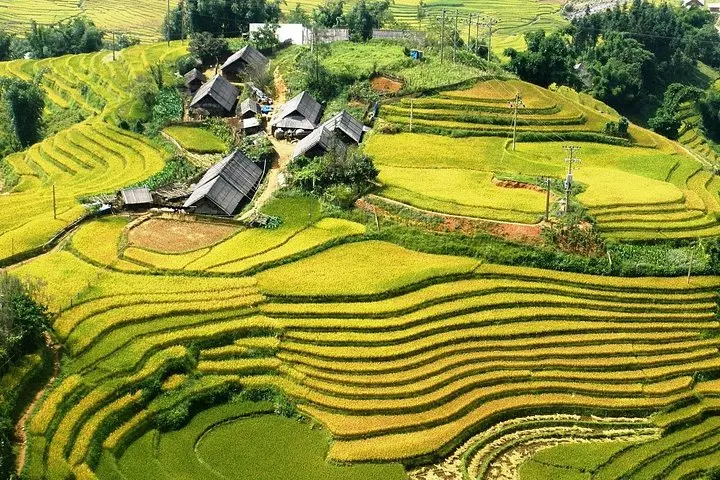
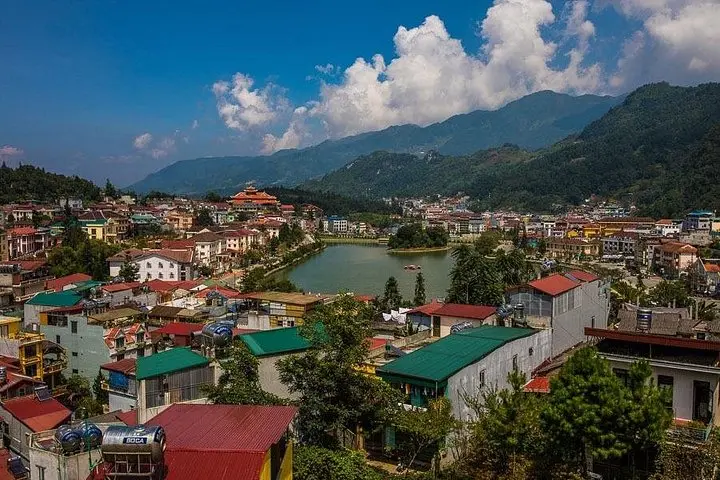
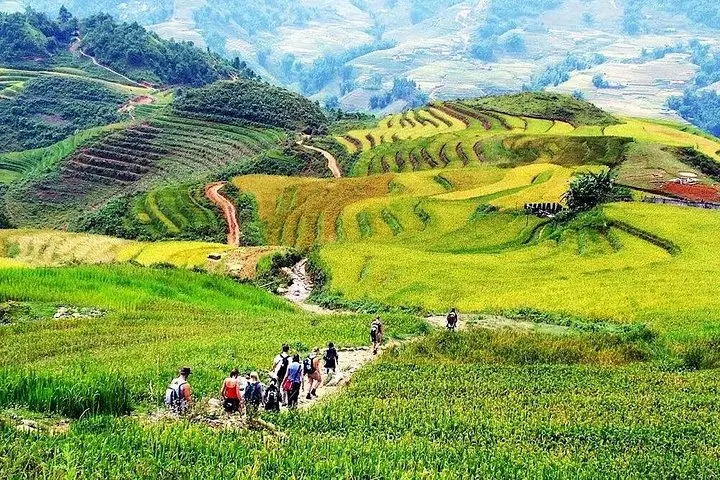
Before dawn the sleeping bus slides into Sapa and the highlands breathe cold and green. By first light you’ll lift a helmet to a landscape of terraces that step down the valley like living stairs, and a ribbon of road that dares you to follow it through hairpin turns and villages where smoke still curls from clay stoves.
Before dawn the sleeping bus slides into Sapa and the highlands breathe cold and green. By first light you’ll lift a helmet to a landscape of terraces that step down the valley like living stairs, and a ribbon of road that dares you to follow it through hairpin turns and villages where smoke still curls from clay stoves.
The route runs along the Hoang Lien Son range, formed by tectonic uplift and carved by seasonal streams. French colonial maps first put Sapa on the tourist grid a century ago; today H’Mong, Red Dao and Tay communities maintain rice terraces shaped over generations, and local crafts and herbal traditions remain central to village life.
Day one threads Cat Cat, Lao Chai and Ta Van, topping at viewpoints over Muong Hoa Valley and visiting Bach Long (Dragon) Waterfall and the Seo My Ty artificial lake at about 1,600 m. Day two rides higher into Giang Ta Chai and Ban Ho, passing primeval forest pockets and terraced slopes that shift color with the season.
Practically: expect 4–6 hours in the saddle across varied surfaces—paved passes, rural lanes and short gravel sections—with long views interrupted by short stops. Temperatures swing; mornings hold chill, afternoons can warm quickly. Pack a good rain shell, helmet (mandatory if you ride), sturdy shoes and a small daypack for camera, water and layers. Hydrate and pace yourself on switchbacks; the sleeping bus between Hanoi and Sapa saves daylight but adds an overnight on the road. The homestay element offers direct cultural exchange—come ready to share a meal and learn local rhythms.
Frequently asked questions
If you plan to ride yourself, bring a valid motorcycle license recognized in Vietnam; many tours provide a driver if you prefer to be a pillion.
Homestays are simple, locally-run houses offering private or shared rooms, home-cooked meals and basic comforts—expect floor mats, shared bathrooms in some homes and authentic hospitality.
The overnight sleeping bus departs late evening and arrives early morning—plan for roughly 6–8 hours on the road depending on traffic and service.
Sapa sits around 1,600 m—most visitors adapt quickly, but if you are sensitive to altitude take it slow, hydrate and avoid overexertion on the first day.
About This Experience
Red Gecko Travel operates guided outdoor trips and adventures with an emphasis on safety, stewardship, and memorable experiences.
Adventure tips
Recommended gear
- Full-face helmet or DOT helmet: Protects from wind, rain and road debris during long mountain rides.
- Waterproof riding jacket with warm mid-layer: Keeps you dry on mountain rain and holds heat in cold mornings.
- Sturdy ankle-covering shoes or light hiking boots: Grip on pebbled village lanes and protect feet when mounting or dismounting.
- Small daypack with water and first-aid: Carries hydration, snacks, camera and any medications between stops.
Photos of the experience
Related adventures & guides
Read the full experience
Before dawn the sleeping bus slides into Sapa and the highlands breathe cold and green. By first light you’ll lift a helmet to a landscape of terraces that step down the valley like living stairs, and a ribbon of road that dares you to follow it through hairpin turns and villages where smoke still curls from clay stoves.
Before dawn the sleeping bus slides into Sapa and the highlands breathe cold and green. By first light you’ll lift a helmet to a landscape of terraces that step down the valley like living stairs, and a ribbon of road that dares you to follow it through hairpin turns and villages where smoke still curls from clay stoves.
The route runs along the Hoang Lien Son range, formed by tectonic uplift and carved by seasonal streams. French colonial maps first put Sapa on the tourist grid a century ago; today H’Mong, Red Dao and Tay communities maintain rice terraces shaped over generations, and local crafts and herbal traditions remain central to village life.
Day one threads Cat Cat, Lao Chai and Ta Van, topping at viewpoints over Muong Hoa Valley and visiting Bach Long (Dragon) Waterfall and the Seo My Ty artificial lake at about 1,600 m. Day two rides higher into Giang Ta Chai and Ban Ho, passing primeval forest pockets and terraced slopes that shift color with the season.
Practically: expect 4–6 hours in the saddle across varied surfaces—paved passes, rural lanes and short gravel sections—with long views interrupted by short stops. Temperatures swing; mornings hold chill, afternoons can warm quickly. Pack a good rain shell, helmet (mandatory if you ride), sturdy shoes and a small daypack for camera, water and layers. Hydrate and pace yourself on switchbacks; the sleeping bus between Hanoi and Sapa saves daylight but adds an overnight on the road. The homestay element offers direct cultural exchange—come ready to share a meal and learn local rhythms.
Make a day of it nearby.
Verified experiences and guided adventures in the surrounding area.