THE ADVENTURE COLLECTIVE® · Independent discovery and booking for outdoor travel

Walk terraces, sleep in a village homestay and meet H'mong and Red Dao communities on a 2-day Sapa trek. Practical route details, what to expect at homestays, and packing tips for mountain trails.
Walk terraces, sleep in a village homestay and meet H'mong and Red Dao communities on a 2-day Sapa trek. Practical route details, what to expect at homestays, and packing tips for mountain trails.
A low mountain morning breathes cold air across the Hoàng Liên Sơn as the sleeper bus rolls into Sapa. Mist clings to terraces and a narrow path threads down from town into the Muong Hoa valley, where laundry flaps like small flags and rivers dare you to linger at the bridge.
Verified experiences and guided adventures in the surrounding area.
Operated by Dragon Tourist - Vina Cruise · Sapa, Lao Cai
A low mountain morning breathes cold air across the Hoàng Liên Sơn as the sleeper bus rolls into Sapa. Mist clings to terraces and a narrow path threads down from town into the Muong Hoa valley, where laundry flaps like small flags and rivers dare you to linger at the bridge.
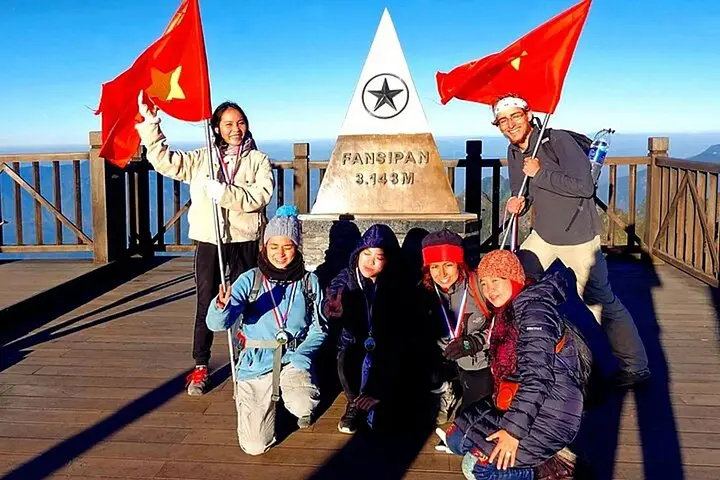
This two-day trek follows carved ridgelines and valley trails used for generations by H'mong, Red Dao and Tay communities. Sapa itself grew as a French hill station in the early 20th century; beneath that colonial footprint the landscape is older—fans of terraces carved into steep slopes above streams draining from Fansipan, Indochina’s highest peak.
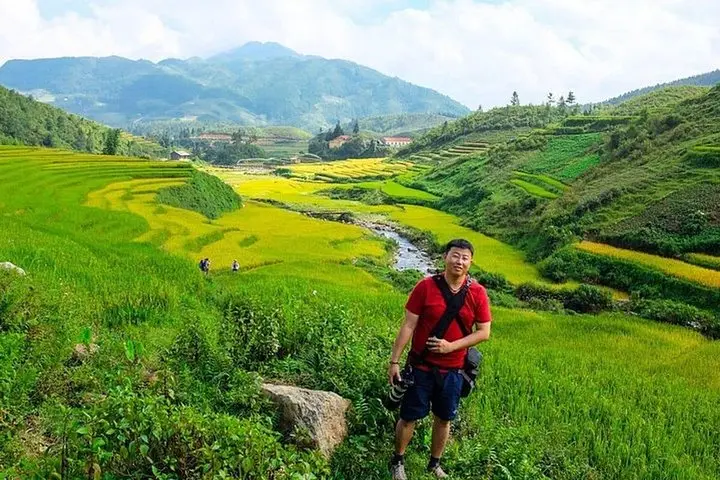
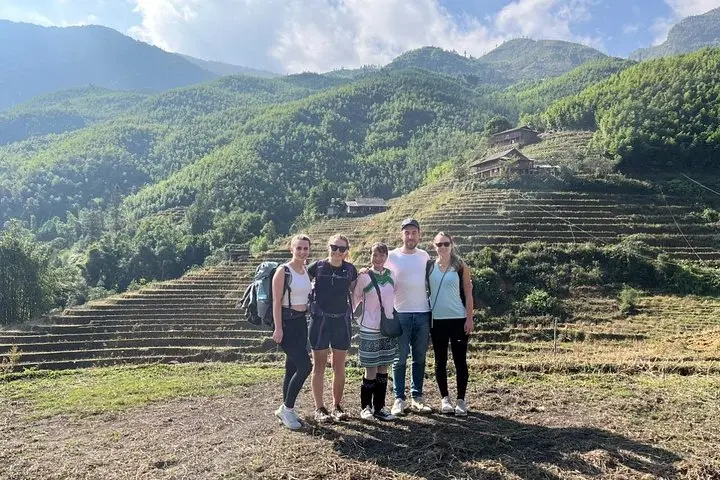
Travelers walk roughly 9 km on day one from Sapa to Ta Van via Y Linh Ho and Lao Chai, and about 8 km on day two through Giang Ta Chai. Elevation sits around 1,500–1,600 m; trails alternate between packed dirt, stone steps and slick, mucky sections after rain. Expect vivid rice terraces, roadside markets, and homestay life—simple wooden rooms and family meals cooked over a stove.
Practical guidance: start early to avoid midday fog, bring layered waterproofs and sturdy boots for uneven steps, and carry cash for small purchases in villages. Respect local customs—ask before photographing people and accept hospitality with a small gift if possible. The route is well-suited to hikers with basic fitness who can handle 6–10 km of uneven terrain per day; guides handle logistics, transport and entry fees. This trek blends active walking with cultural exchange, offering hands-on glimpses of upland life and landscape that push gently at the edge of the familiar.
The itinerary is rated moderate with daily distances of 8–9 km on uneven terrain; beginners with regular walking fitness can complete it, especially with short breaks and a guide’s pacing.
Homestays are simple family homes—shared bathrooms, wooden floors and a hot meal; rooms may be basic but provide authentic cultural exchange and warm local hospitality.
Service is intermittent in valleys and villages; some homestays may offer Wi‑Fi but travelers should plan for limited connectivity.
Guides can communicate basic dietary needs, but bring snacks for strict requirements—village kitchens use local ingredients and options may be limited.
Dragon Tourist - Vina Cruise operates guided outdoor trips and adventures with an emphasis on safety, stewardship, and memorable experiences.
A low mountain morning breathes cold air across the Hoàng Liên Sơn as the sleeper bus rolls into Sapa. Mist clings to terraces and a narrow path threads down from town into the Muong Hoa valley, where laundry flaps like small flags and rivers dare you to linger at the bridge.
A low mountain morning breathes cold air across the Hoàng Liên Sơn as the sleeper bus rolls into Sapa. Mist clings to terraces and a narrow path threads down from town into the Muong Hoa valley, where laundry flaps like small flags and rivers dare you to linger at the bridge.
This two-day trek follows carved ridgelines and valley trails used for generations by H'mong, Red Dao and Tay communities. Sapa itself grew as a French hill station in the early 20th century; beneath that colonial footprint the landscape is older—fans of terraces carved into steep slopes above streams draining from Fansipan, Indochina’s highest peak.
Travelers walk roughly 9 km on day one from Sapa to Ta Van via Y Linh Ho and Lao Chai, and about 8 km on day two through Giang Ta Chai. Elevation sits around 1,500–1,600 m; trails alternate between packed dirt, stone steps and slick, mucky sections after rain. Expect vivid rice terraces, roadside markets, and homestay life—simple wooden rooms and family meals cooked over a stove.
Practical guidance: start early to avoid midday fog, bring layered waterproofs and sturdy boots for uneven steps, and carry cash for small purchases in villages. Respect local customs—ask before photographing people and accept hospitality with a small gift if possible. The route is well-suited to hikers with basic fitness who can handle 6–10 km of uneven terrain per day; guides handle logistics, transport and entry fees. This trek blends active walking with cultural exchange, offering hands-on glimpses of upland life and landscape that push gently at the edge of the familiar.