THE ADVENTURE COLLECTIVE® · Independent discovery and booking for outdoor travel

Spend two days walking through Muong Hoa Valley, staying with a local family and visiting Hmong and Giay villages. This guided trek blends terraced landscapes, a waterfall swim, and authentic homestay meals with practical, walkable routes.
Spend two days walking through Muong Hoa Valley, staying with a local family and visiting Hmong and Giay villages. This guided trek blends terraced landscapes, a waterfall swim, and authentic homestay meals with practical, walkable routes.
You leave Sapa at first light and the mountain air seems to move with you—the terraced rice fields of Muong Hoa bend and breathe as you walk. Paths cut through upland plots and villages appear and disappear between bamboo groves; streams chatter at your feet and a guide who knows every footpath reads the landscape like a map of family histories.
Verified experiences and guided adventures in the surrounding area.
Operated by Sapa Mountain Trail Local Tours · Sapa, Lao Cai
You leave Sapa at first light and the mountain air seems to move with you—the terraced rice fields of Muong Hoa bend and breathe as you walk. Paths cut through upland plots and villages appear and disappear between bamboo groves; streams chatter at your feet and a guide who knows every footpath reads the landscape like a map of family histories.
The two-day route runs along the lower slopes of the Hoang Lien Range beneath Fansipan’s shadow. Geologically the area is a mix of uplifted metamorphic rock and deeply incised valleys carved by seasonal rivers; the terraces are human-made contours that stabilize soil and channel water. Culturally, this valley is home to Hmong and Giay communities whose textiles, farming rhythms, and house styles reflect centuries of upland life. Evenings in a homestay reveal local recipes—sticky rice, mountain vegetables, and homemade rice wine—served with stories that explain place as much as people.
Practically, expect 4–6 hours of walking on day one through narrow village trails and steps, followed by shorter connecting trails and a waterfall on day two where a swim is possible. Trails are uneven and can be slippery after rain; your guide handles navigation and village interactions. Carry layered clothing, a reliable rain shell, cash for small purchases and tips, and modest behavior when photographing residents. Start early to avoid midday heat, respect local schedules during harvest or festivals, and bring a bottle for filtered water supplied by the tour. This trek balances gentle exertion with immersive culture—an accessible way to experience northern Vietnam’s highland life.
The route is guided and suitable for travelers with basic fitness; expect uneven terrain and 4–6 hour walking days but no technical climbing.
Casual, modest clothing is appropriate—layers for cool evenings, and shoes that are easy to remove inside homes.
The tour supplies bottled water and homestays provide basic toilet facilities; bring hygiene supplies and be prepared for simple amenities.
Local hosts can usually adjust meals with prior notice—inform the operator at booking about allergies or strict diets.
Sapa Mountain Trail Local Tours operates guided outdoor trips and adventures with an emphasis on safety, stewardship, and memorable experiences.
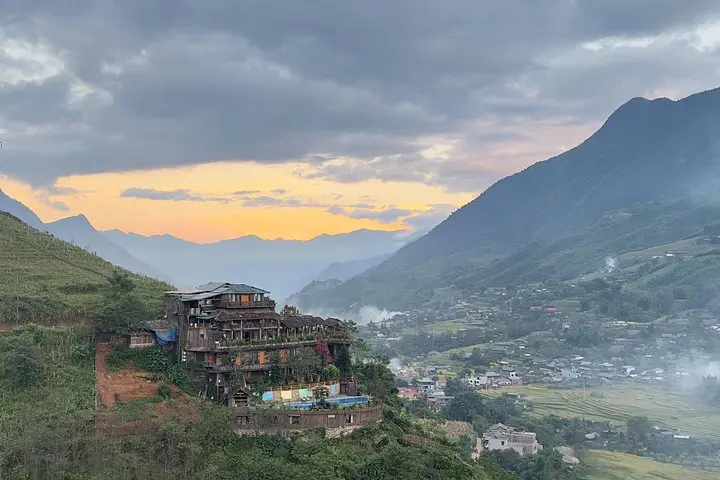
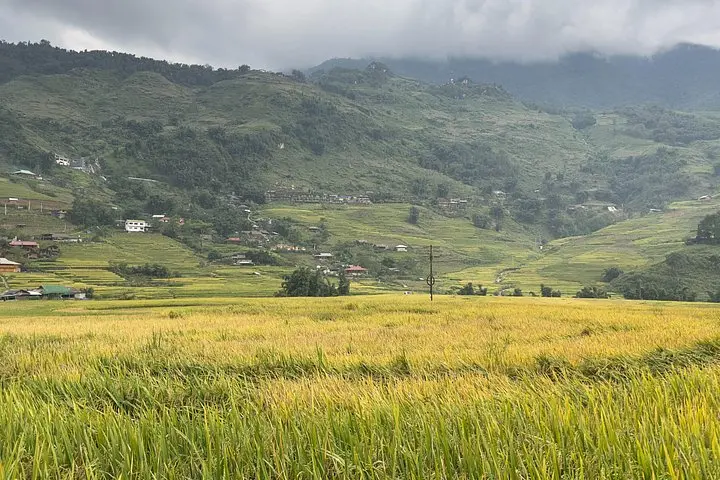
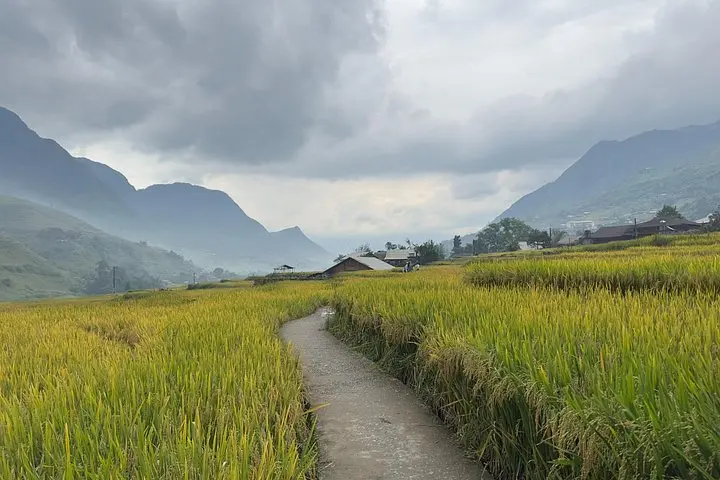
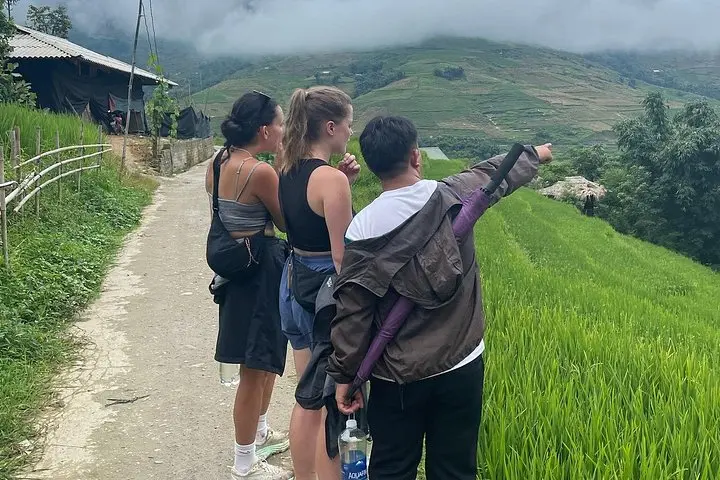
You leave Sapa at first light and the mountain air seems to move with you—the terraced rice fields of Muong Hoa bend and breathe as you walk. Paths cut through upland plots and villages appear and disappear between bamboo groves; streams chatter at your feet and a guide who knows every footpath reads the landscape like a map of family histories.
You leave Sapa at first light and the mountain air seems to move with you—the terraced rice fields of Muong Hoa bend and breathe as you walk. Paths cut through upland plots and villages appear and disappear between bamboo groves; streams chatter at your feet and a guide who knows every footpath reads the landscape like a map of family histories.
The two-day route runs along the lower slopes of the Hoang Lien Range beneath Fansipan’s shadow. Geologically the area is a mix of uplifted metamorphic rock and deeply incised valleys carved by seasonal rivers; the terraces are human-made contours that stabilize soil and channel water. Culturally, this valley is home to Hmong and Giay communities whose textiles, farming rhythms, and house styles reflect centuries of upland life. Evenings in a homestay reveal local recipes—sticky rice, mountain vegetables, and homemade rice wine—served with stories that explain place as much as people.
Practically, expect 4–6 hours of walking on day one through narrow village trails and steps, followed by shorter connecting trails and a waterfall on day two where a swim is possible. Trails are uneven and can be slippery after rain; your guide handles navigation and village interactions. Carry layered clothing, a reliable rain shell, cash for small purchases and tips, and modest behavior when photographing residents. Start early to avoid midday heat, respect local schedules during harvest or festivals, and bring a bottle for filtered water supplied by the tour. This trek balances gentle exertion with immersive culture—an accessible way to experience northern Vietnam’s highland life.