THE ADVENTURE COLLECTIVE® · Independent discovery and booking for outdoor travel

Two days of highland trails, village homestays and rice-terraced panoramas around Sapa. Experience H’mong and Dzay village life while covering 20 km of mixed trails with a local private guide.
Two days of highland trails, village homestays and rice-terraced panoramas around Sapa. Experience H’mong and Dzay village life while covering 20 km of mixed trails with a local private guide.
Mist sits in the rice terraces as the group steps away from Sapa’s compact streets, the air cool and the mountains pressing close.
Verified experiences and guided adventures in the surrounding area.
Operated by LOCAL TOURS VIETNAM · Sapa, Lao Cai
Mist sits in the rice terraces as the group steps away from Sapa’s compact streets, the air cool and the mountains pressing close.
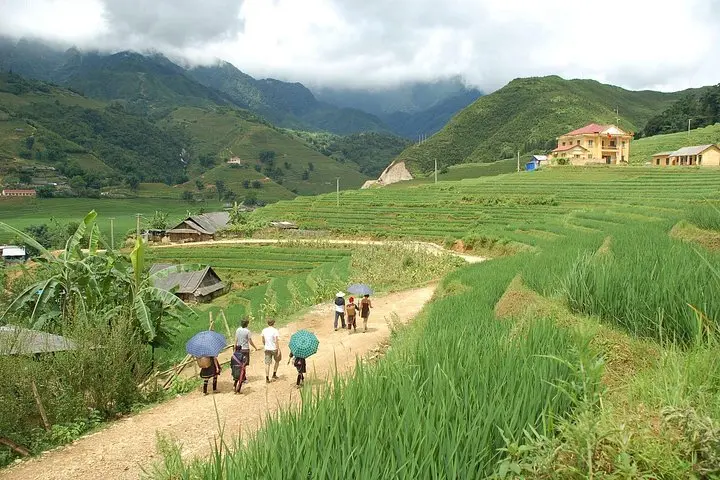
Over two days this private trek moves through Y Linh Ho and Lao Chai to Ta Van, then across bamboo-scented ridges to Giang Ta Chai and Su Pan. The trail alternates river flats, stepped paddies and carved stone switchbacks; a rattan bridge and a small waterfall mark the second day’s highlight. Rivers dare you to pause at their banks, and winds push walkers up into scattered, panoramic openings toward the Hoang Lien Son range.
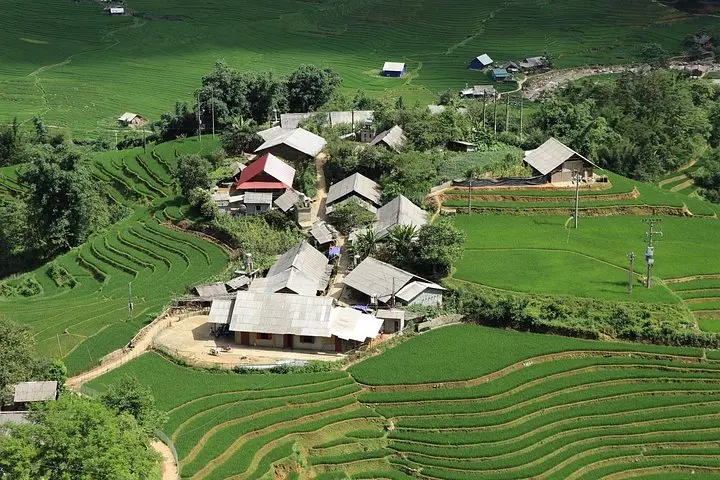
The route threads communities of H’mong, Dzay and Red Dao people whose terraced farming techniques reshape the slopes each season. Geologically the valley reflects uplift and erosion—steep valley walls and layered terraces formed by centuries of human labor and monsoon runoff. Staying overnight in a Ta Van homestay offers direct cultural exchange: woven textiles, simple home-cooked meals and morning rituals around tea and rice.
Practically: expect about 12 km of mixed trail on day one and roughly 8 km on day two with modest elevation changes but uneven footing. Trails can be muddy in the rainy months; good tread and steady pacing matter more than speed. Guides manage logistics and local transfers—pickups from Sapa run mid-morning, and the tour returns to Sapa in the afternoon of day two. Bring layered clothing, waterproof protection, small cash for souvenirs, and an open attitude for shared meals and village life.
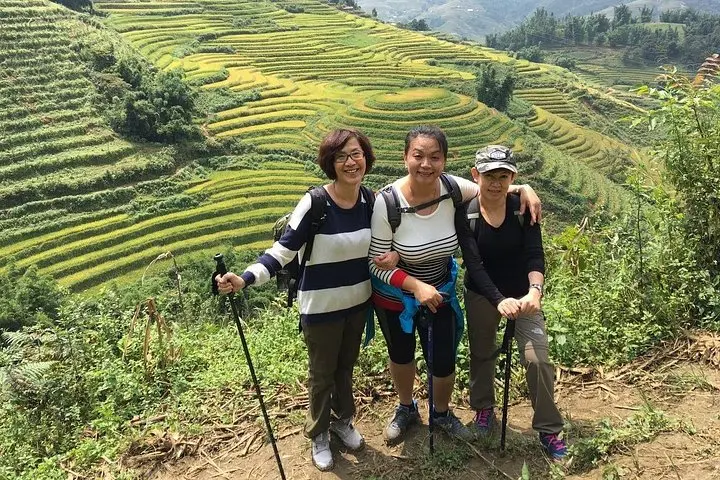
Each day covers 8–12 km with uneven footing and some short climbs; the guide rates the trek moderate and suitable for most active travelers.
Basic private or shared rooms, local meals prepared by the host family, and communal living—bring minimal toiletries and an open mind for cultural exchange.
Breakfast and lunches are included; bring a refillable water bottle—guides can advise where to top up or provide bottled water if needed.
The tour includes local transfers in Sapa; pickup details are arranged from Sapa hotels or bus station—transport from Hanoi to Sapa is typically separate.
LOCAL TOURS VIETNAM operates guided outdoor trips and adventures with an emphasis on safety, stewardship, and memorable experiences.
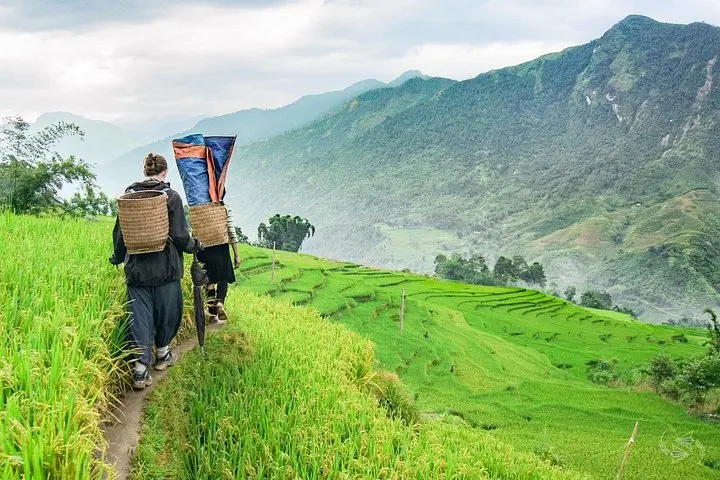
Mist sits in the rice terraces as the group steps away from Sapa’s compact streets, the air cool and the mountains pressing close.
Mist sits in the rice terraces as the group steps away from Sapa’s compact streets, the air cool and the mountains pressing close.
Over two days this private trek moves through Y Linh Ho and Lao Chai to Ta Van, then across bamboo-scented ridges to Giang Ta Chai and Su Pan. The trail alternates river flats, stepped paddies and carved stone switchbacks; a rattan bridge and a small waterfall mark the second day’s highlight. Rivers dare you to pause at their banks, and winds push walkers up into scattered, panoramic openings toward the Hoang Lien Son range.
The route threads communities of H’mong, Dzay and Red Dao people whose terraced farming techniques reshape the slopes each season. Geologically the valley reflects uplift and erosion—steep valley walls and layered terraces formed by centuries of human labor and monsoon runoff. Staying overnight in a Ta Van homestay offers direct cultural exchange: woven textiles, simple home-cooked meals and morning rituals around tea and rice.
Practically: expect about 12 km of mixed trail on day one and roughly 8 km on day two with modest elevation changes but uneven footing. Trails can be muddy in the rainy months; good tread and steady pacing matter more than speed. Guides manage logistics and local transfers—pickups from Sapa run mid-morning, and the tour returns to Sapa in the afternoon of day two. Bring layered clothing, waterproof protection, small cash for souvenirs, and an open attitude for shared meals and village life.