THE ADVENTURE COLLECTIVE® · Independent discovery and booking for outdoor travel

Two days of highland trekking from Sapa Town: explore Cat Cat’s waterfall and French-era hydro plant, then follow Muong Hoa stream past rice terraces to Lao Chai and Ta Van. Practical routing, cultural stops, and seasonal trail notes help you plan for slippery steps and market-side souvenirs.
Two days of highland trekking from Sapa Town: explore Cat Cat’s waterfall and French-era hydro plant, then follow Muong Hoa stream past rice terraces to Lao Chai and Ta Van. Practical routing, cultural stops, and seasonal trail notes help you plan for slippery steps and market-side souvenirs.
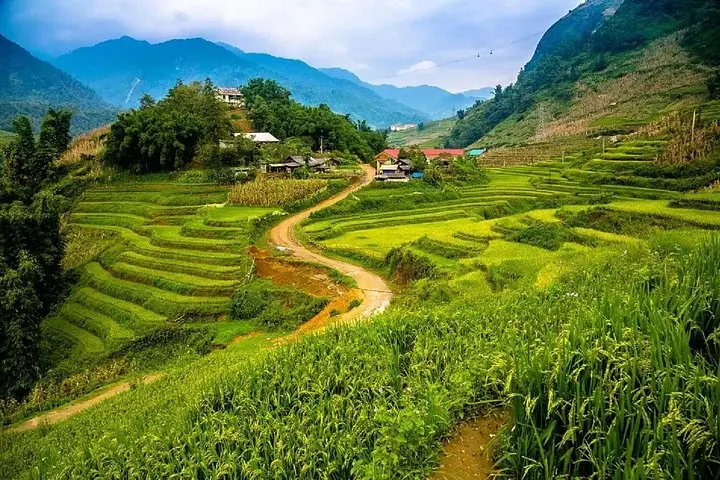
A cool mountain mist curls across the terraces as you step off the van into Sapa’s thin air—about 1,600–1,700 m above sea level—and the town's clatter fades into the rush of streams and distant voices from village paths.
Verified experiences and guided adventures in the surrounding area.
Operated by Mekong Tourist · Sapa Town, Lao Cai Province
A cool mountain mist curls across the terraces as you step off the van into Sapa’s thin air—about 1,600–1,700 m above sea level—and the town's clatter fades into the rush of streams and distant voices from village paths.
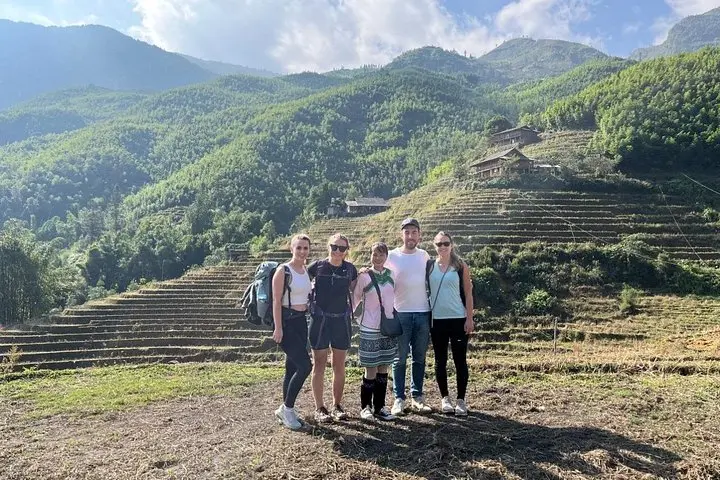
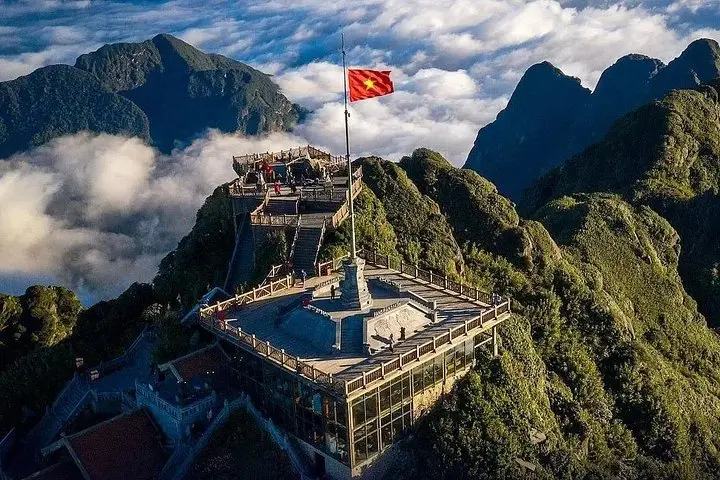
On day one the route winds into Cat Cat village: short, steep stone stairs, a century-old French hydroelectric plant and a waterfall that pushes water like a living thing through carved channels. Day two follows the Muong Hoa stream through rice terraces toward Lao Chai and Ta Van, where carved houses and embroidered textiles mark H’mong, Red Dao and Dzay presence. Geologically, the Hoàng Liên Sơn range is young and rugged—granite peaks worn by monsoon seasons—and Fansipan, Vietnam’s highest peak, looms on the horizon.
Culturally, expect direct encounters with household crafts, terraced farming techniques and food cooked over wood fires; bring cash for small purchases. The trails are a mix of dirt, stone steps and occasional concrete village tracks; seasonal rains turn them slick and the terraces pool like mirrors.
Practical guidance: split the trek into short, back-to-back sections (3–5 km the first afternoon; 8–12 km the next morning), carry a lightweight rain shell and waterproof your pack, and plan for early starts to avoid afternoon storms. Footwear with good grip and a steady pace will keep the walk enjoyable for most fitness levels. Hotels in Sapa Town provide hot showers and a chance to dry gear; leave time to visit local markets before you return to Hanoi.
Trails are moderate: short steep sections and long terrace walks; most people with average fitness can complete it with regular breaks.
The tour provides guides in Vietnamese and English, suitable for common questions and cultural explanations.
Yes—one night at a 4-star hotel in Sapa Town with breakfast is included in the package.
Yes—vegetarian, vegan and common allergies can be accommodated if noted at booking.
Mekong Tourist operates guided outdoor trips and adventures with an emphasis on safety, stewardship, and memorable experiences.

A cool mountain mist curls across the terraces as you step off the van into Sapa’s thin air—about 1,600–1,700 m above sea level—and the town's clatter fades into the rush of streams and distant voices from village paths.
A cool mountain mist curls across the terraces as you step off the van into Sapa’s thin air—about 1,600–1,700 m above sea level—and the town's clatter fades into the rush of streams and distant voices from village paths.
On day one the route winds into Cat Cat village: short, steep stone stairs, a century-old French hydroelectric plant and a waterfall that pushes water like a living thing through carved channels. Day two follows the Muong Hoa stream through rice terraces toward Lao Chai and Ta Van, where carved houses and embroidered textiles mark H’mong, Red Dao and Dzay presence. Geologically, the Hoàng Liên Sơn range is young and rugged—granite peaks worn by monsoon seasons—and Fansipan, Vietnam’s highest peak, looms on the horizon.
Culturally, expect direct encounters with household crafts, terraced farming techniques and food cooked over wood fires; bring cash for small purchases. The trails are a mix of dirt, stone steps and occasional concrete village tracks; seasonal rains turn them slick and the terraces pool like mirrors.
Practical guidance: split the trek into short, back-to-back sections (3–5 km the first afternoon; 8–12 km the next morning), carry a lightweight rain shell and waterproof your pack, and plan for early starts to avoid afternoon storms. Footwear with good grip and a steady pace will keep the walk enjoyable for most fitness levels. Hotels in Sapa Town provide hot showers and a chance to dry gear; leave time to visit local markets before you return to Hanoi.