THE ADVENTURE COLLECTIVE® · Independent discovery and booking for outdoor travel

Two days of highland trekking from Hanoi deliver terraced rice-valley views, village visits with H’Mong and Giay communities, and an overnight in Sapa. This guided itinerary balances short cultural walks with a longer 12 km valley trek for a compact, accessible mountain experience.
Two days of highland trekking from Hanoi deliver terraced rice-valley views, village visits with H’Mong and Giay communities, and an overnight in Sapa. This guided itinerary balances short cultural walks with a longer 12 km valley trek for a compact, accessible mountain experience.
A damp mountain morning opens as the limousine peels off the highway and the world compresses into terraces, streams, and the quick rhythm of local markets. Travelers arrive in Sapa town to the immediate impression of altitude—clouds threading through streets, woven indigo and embroidered jackets moving like punctuation.
Verified experiences and guided adventures in the surrounding area.
Operated by Local Tours ASIA · Sapa, Lao Cai
A damp mountain morning opens as the limousine peels off the highway and the world compresses into terraces, streams, and the quick rhythm of local markets. Travelers arrive in Sapa town to the immediate impression of altitude—clouds threading through streets, woven indigo and embroidered jackets moving like punctuation.
The northwestern Hoang Lien Son range holds geological stories of uplifted limestone and dark metamorphic bedrock that created steep valleys and the stair-step rice terraces visible from Muong Hoa. Sapa’s identity grew under French colonial hill-station development in the early 20th century and long before that was shaped by H’Mong, Dao and Giay communities who engineered the terraces and seasonal rituals still visible today.
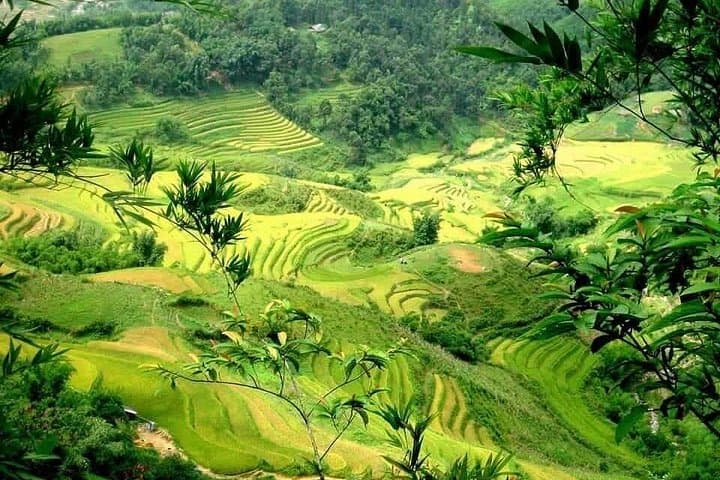
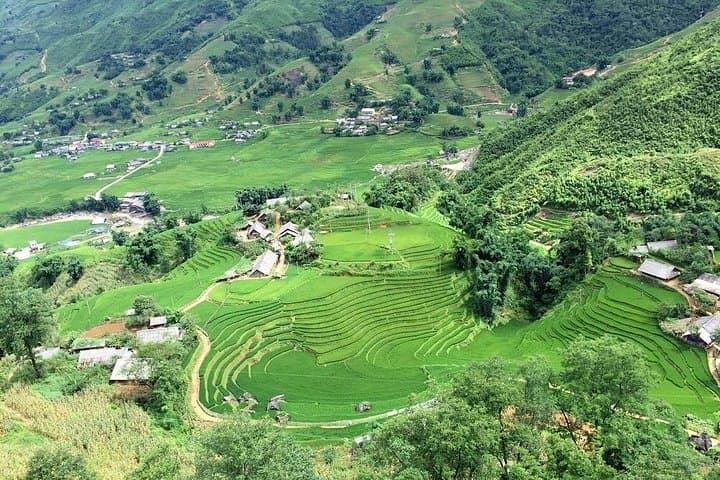
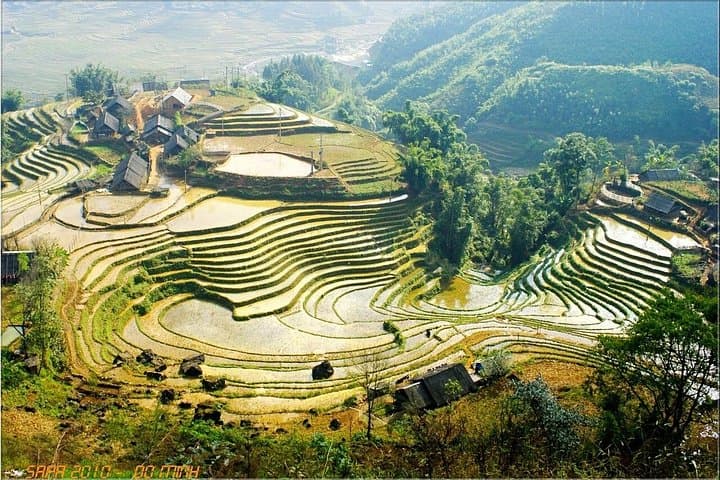
On day one the trail drops to Cat Cat, a compact mosaic of traditional Black H’mong homes, a French-era hydro station and a cool waterfall. Day two opens into a longer walk down Muong Hoa valley—12 kilometers threading past Lao Chai and Ta Van—where rice paddies act like deliberate mirrors and villagers tend buffalo at the terraces’ edges.
Practical notes: bring layered clothing for sudden fog and wind, solid trekking footwear for uneven stone and muddy sections, and cash for village goods as card infrastructure is limited. The hikes are well-graded but include steep short descents and ascents; guide-led groups help keep timing and route-finding straightforward.
Timing your visit for late spring or early autumn reduces heavy rains; mornings offer the clearest valley views. Respect local customs, leave no trace on fragile terraces, and allot extra time for photography and unexpected conversations with villagers.
Routes mix short steep sections with longer graded trails; most travelers with moderate fitness can complete the 12 km day with guided pacing and breaks.
Sapa sits around 1,500 m elevation—most visitors feel only mild effects; stay hydrated and avoid overexertion if you are sensitive to altitude.
Yes, if participants are comfortable with multi-hour walks and uneven terrain; inform the operator of mobility concerns for appropriate support.
Bring Vietnam Dong in small denominations for village purchases, though major hotels accept cards; some vendors also accept USD but change may be limited.
Local Tours ASIA operates guided outdoor trips and adventures with an emphasis on safety, stewardship, and memorable experiences.

A damp mountain morning opens as the limousine peels off the highway and the world compresses into terraces, streams, and the quick rhythm of local markets. Travelers arrive in Sapa town to the immediate impression of altitude—clouds threading through streets, woven indigo and embroidered jackets moving like punctuation.
A damp mountain morning opens as the limousine peels off the highway and the world compresses into terraces, streams, and the quick rhythm of local markets. Travelers arrive in Sapa town to the immediate impression of altitude—clouds threading through streets, woven indigo and embroidered jackets moving like punctuation.
The northwestern Hoang Lien Son range holds geological stories of uplifted limestone and dark metamorphic bedrock that created steep valleys and the stair-step rice terraces visible from Muong Hoa. Sapa’s identity grew under French colonial hill-station development in the early 20th century and long before that was shaped by H’Mong, Dao and Giay communities who engineered the terraces and seasonal rituals still visible today.
On day one the trail drops to Cat Cat, a compact mosaic of traditional Black H’mong homes, a French-era hydro station and a cool waterfall. Day two opens into a longer walk down Muong Hoa valley—12 kilometers threading past Lao Chai and Ta Van—where rice paddies act like deliberate mirrors and villagers tend buffalo at the terraces’ edges.
Practical notes: bring layered clothing for sudden fog and wind, solid trekking footwear for uneven stone and muddy sections, and cash for village goods as card infrastructure is limited. The hikes are well-graded but include steep short descents and ascents; guide-led groups help keep timing and route-finding straightforward.
Timing your visit for late spring or early autumn reduces heavy rains; mornings offer the clearest valley views. Respect local customs, leave no trace on fragile terraces, and allot extra time for photography and unexpected conversations with villagers.