THE ADVENTURE COLLECTIVE® · Independent discovery and booking for outdoor travel

Spend two days trekking Sapa’s Muong Hoa valley from Hanoi, visiting Cat Cat, Lao Chai and Ta Van villages while staying one night in a 4-star hotel. This compact trek mixes rice-terrace scenery, cultural encounters with H’mong and Dao communities, and manageable trails for most hikers.
Spend two days trekking Sapa’s Muong Hoa valley from Hanoi, visiting Cat Cat, Lao Chai and Ta Van villages while staying one night in a 4-star hotel. This compact trek mixes rice-terrace scenery, cultural encounters with H’mong and Dao communities, and manageable trails for most hikers.
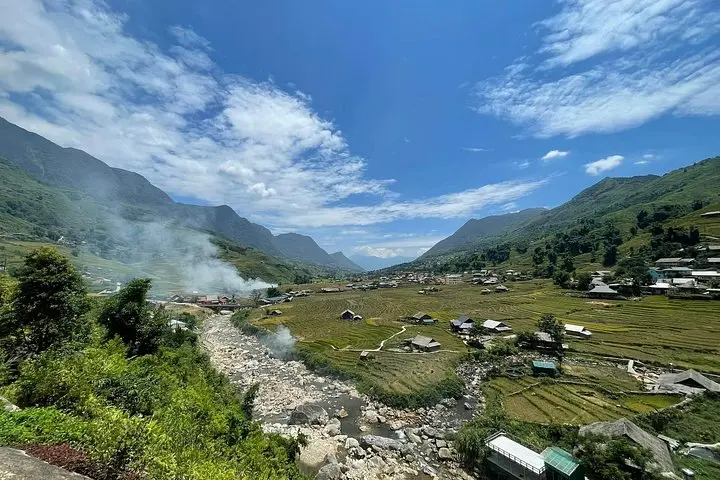
Morning mist clings to the terraces as the sleeping bus eases into Sapa—steep green steps cut into the Hoàng Liên Sơn slopes, Fansipan watching in the distance. You arrive mid-afternoon, check into a 4-star hotel, then set off to Cat Cat village where a French-era hydroelectric plant and a waterfall mark the valley’s industrial past and present rhythms.
Verified experiences and guided adventures in the surrounding area.
Operated by Vinadu · Sapa, Lào Cai
Morning mist clings to the terraces as the sleeping bus eases into Sapa—steep green steps cut into the Hoàng Liên Sơn slopes, Fansipan watching in the distance. You arrive mid-afternoon, check into a 4-star hotel, then set off to Cat Cat village where a French-era hydroelectric plant and a waterfall mark the valley’s industrial past and present rhythms.
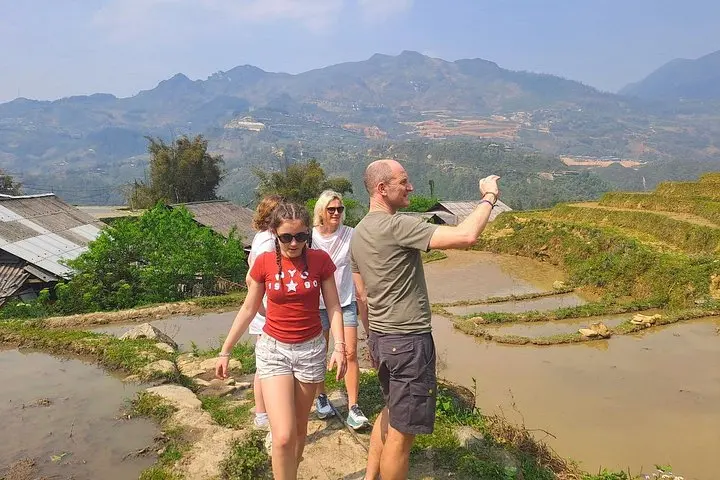
The route follows Muong Hoa stream through worked rice benches, passing Black H’mong and Red Dao villages whose carved houses and embroidered textiles reflect centuries of upland life. Geologically, the Hoàng Liên Sơn range is young and rugged; erosion has sculpted sharp ridgelines and deep valleys that channel sudden weather. Culturally, Sapa’s modern tourism sits atop long-standing agricultural practices—terrace farming, irrigation channels, and communal festivals remain central to local identity.
Practicalities: expect 6–8 km of walking on day two with a net elevation around 200–400 m of ups and downs; trails alternate between packed dirt, stone steps and occasional muddy stretches after rain. Wear sturdy hiking shoes with good grip; bring layers—the valley can be cool at dawn and turn humid by midday. Carry cash for small purchases in villages, and plan for limited phone reception on sections of the trail.
Timing matters: clear skies from September–November and March–May give the best views; monsoon months bring heavy rain but vivid greenery. Respect village customs, minimize plastic waste, and follow your guide’s lead on river crossings. This short overnight trek balances immersive village encounters with manageable terrain—ideal for travelers seeking a compact but authentic highland trek.
Trails are generally moderate with some steep stone steps and uneven paths; basic fitness and comfortable hiking shoes are sufficient.
Yes—small shops and local vendors typically accept cash only, so bring Vietnamese dong in small denominations.
Sapa is cooler than Hanoi year-round; mornings and evenings can be chilly, while daytime can be misty or humid—rain is common in summer months.
Guides introduce you to village customs and households; follow guide instructions, ask before photographing people, and avoid gifting food directly to children without guidance.
Vinadu operates guided outdoor trips and adventures with an emphasis on safety, stewardship, and memorable experiences.


Morning mist clings to the terraces as the sleeping bus eases into Sapa—steep green steps cut into the Hoàng Liên Sơn slopes, Fansipan watching in the distance. You arrive mid-afternoon, check into a 4-star hotel, then set off to Cat Cat village where a French-era hydroelectric plant and a waterfall mark the valley’s industrial past and present rhythms.
Morning mist clings to the terraces as the sleeping bus eases into Sapa—steep green steps cut into the Hoàng Liên Sơn slopes, Fansipan watching in the distance. You arrive mid-afternoon, check into a 4-star hotel, then set off to Cat Cat village where a French-era hydroelectric plant and a waterfall mark the valley’s industrial past and present rhythms.
The route follows Muong Hoa stream through worked rice benches, passing Black H’mong and Red Dao villages whose carved houses and embroidered textiles reflect centuries of upland life. Geologically, the Hoàng Liên Sơn range is young and rugged; erosion has sculpted sharp ridgelines and deep valleys that channel sudden weather. Culturally, Sapa’s modern tourism sits atop long-standing agricultural practices—terrace farming, irrigation channels, and communal festivals remain central to local identity.
Practicalities: expect 6–8 km of walking on day two with a net elevation around 200–400 m of ups and downs; trails alternate between packed dirt, stone steps and occasional muddy stretches after rain. Wear sturdy hiking shoes with good grip; bring layers—the valley can be cool at dawn and turn humid by midday. Carry cash for small purchases in villages, and plan for limited phone reception on sections of the trail.
Timing matters: clear skies from September–November and March–May give the best views; monsoon months bring heavy rain but vivid greenery. Respect village customs, minimize plastic waste, and follow your guide’s lead on river crossings. This short overnight trek balances immersive village encounters with manageable terrain—ideal for travelers seeking a compact but authentic highland trek.