THE ADVENTURE COLLECTIVE® · Independent discovery and booking for outdoor travel

A compact 2‑day trek from Hanoi to Sapa that pairs two full-day walks through Muong Hoa Valley with an overnight in a 4‑star hotel. Expect terraced rice-field panoramas, ethnic village visits, and easy-to-moderate walking on uneven trails.
A compact 2‑day trek from Hanoi to Sapa that pairs two full-day walks through Muong Hoa Valley with an overnight in a 4‑star hotel. Expect terraced rice-field panoramas, ethnic village visits, and easy-to-moderate walking on uneven trails.
Morning fog parts as the limousine winds up out of Hanoi; by afternoon you step into cool, thin air and a valley stitched with rice terraces. The first day drops you into Cat Cat village—a short downhill that opens onto wooden stilt houses, loom-side weavers and a cascade of water that dares you to stop for a photo. Night at a 4‑star hotel gives you a warm bed and a chance to listen to the valley breathe.
Verified experiences and guided adventures in the surrounding area.
Operated by Authentic PHU QUOC · Sapa, Lào Cai Province
Morning fog parts as the limousine winds up out of Hanoi; by afternoon you step into cool, thin air and a valley stitched with rice terraces. The first day drops you into Cat Cat village—a short downhill that opens onto wooden stilt houses, loom-side weavers and a cascade of water that dares you to stop for a photo. Night at a 4‑star hotel gives you a warm bed and a chance to listen to the valley breathe.
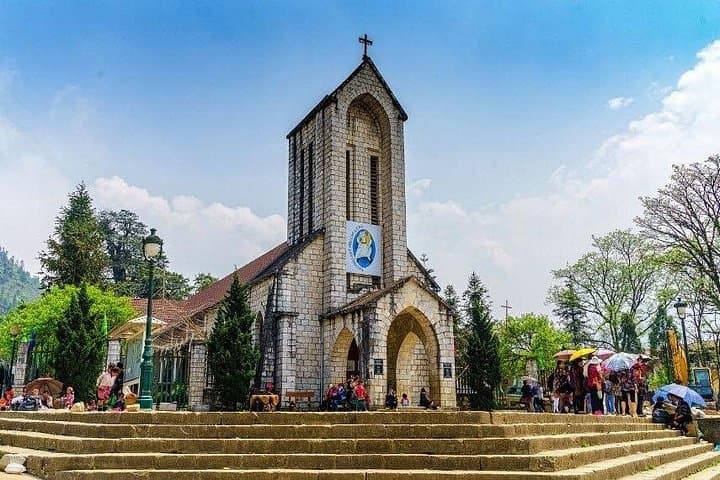
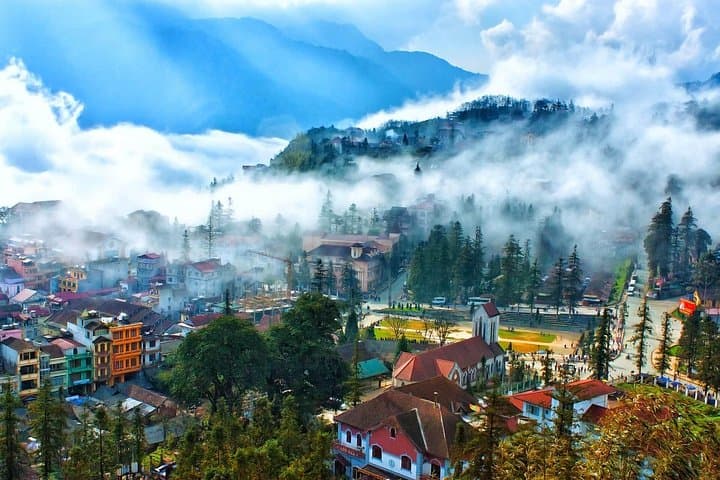
Sapa began as a French hill station in the early 20th century and today sits at the confluence of Dao, H’Mong and Tay cultures. The highland geology — steep limestone and metamorphic slopes carved by the Muong Hoa River — shapes narrow terraces and hamlets clinging to ridgelines. Village trails cut through rice paddies and corn plots; stone steps lead to viewpoints where Fansipan, Indochina’s highest peak, punctuates the skyline.
On day two the trek crosses Y Linh Ho, Lao Chai and Ta Van villages: a steady mix of switchback, riverside paths and terraced climbs that reward with direct encounters with daily life — children running errands, elders weaving—and broad valley views.
Practical guidance: wear grippy hiking shoes, bring rain layers and at least 2 liters of water, and budget for uneven steps and short steep sections. The tour’s transfers, guide, meals and entrance fees are included, but comfortable pacing, sun protection and modest dress for village visits will make the experience smoother. Travel light; let the landscape do the heavy lifting.
The limousine transfer takes about 6 hours each way with a comfort break en route; expect early departure from Hanoi and late return to the Old Quarter.
The itinerary is marked suitable for most fitness levels: walks are low‑technical but include uneven trails, steps and some short climbs—basic stamina for 3–6 hours of walking per day helps.
Yes—two lunches, one dinner and one breakfast are included as well as entrance fees and local transfers in Sapa according to the tour details.
Yes—the operator can handle vegetarian, vegan and gluten‑free requests; indicate dietary requirements when booking.
Authentic PHU QUOC operates guided outdoor trips and adventures with an emphasis on safety, stewardship, and memorable experiences.


Morning fog parts as the limousine winds up out of Hanoi; by afternoon you step into cool, thin air and a valley stitched with rice terraces. The first day drops you into Cat Cat village—a short downhill that opens onto wooden stilt houses, loom-side weavers and a cascade of water that dares you to stop for a photo. Night at a 4‑star hotel gives you a warm bed and a chance to listen to the valley breathe.
Morning fog parts as the limousine winds up out of Hanoi; by afternoon you step into cool, thin air and a valley stitched with rice terraces. The first day drops you into Cat Cat village—a short downhill that opens onto wooden stilt houses, loom-side weavers and a cascade of water that dares you to stop for a photo. Night at a 4‑star hotel gives you a warm bed and a chance to listen to the valley breathe.
Sapa began as a French hill station in the early 20th century and today sits at the confluence of Dao, H’Mong and Tay cultures. The highland geology — steep limestone and metamorphic slopes carved by the Muong Hoa River — shapes narrow terraces and hamlets clinging to ridgelines. Village trails cut through rice paddies and corn plots; stone steps lead to viewpoints where Fansipan, Indochina’s highest peak, punctuates the skyline.
On day two the trek crosses Y Linh Ho, Lao Chai and Ta Van villages: a steady mix of switchback, riverside paths and terraced climbs that reward with direct encounters with daily life — children running errands, elders weaving—and broad valley views.
Practical guidance: wear grippy hiking shoes, bring rain layers and at least 2 liters of water, and budget for uneven steps and short steep sections. The tour’s transfers, guide, meals and entrance fees are included, but comfortable pacing, sun protection and modest dress for village visits will make the experience smoother. Travel light; let the landscape do the heavy lifting.