
Sapa 2-Day Trek & Homestay: Rice Terraces, Ethnic Villages and Mountain Trails
Two days of mountain trails, rice terraces and an overnight homestay introduce travelers to the highland cultures and landscapes around Sapa. Expect steady walking, cultural exchange with Hmong and Dao villages, and simple but hearty mountain meals.
An Adventure In Sapa.
Two days of mountain trails, rice terraces and an overnight homestay introduce travelers to the highland cultures and landscapes around Sapa. Expect steady walking, cultural exchange with Hmong and Dao villages, and simple but hearty mountain meals.
Read the full experience
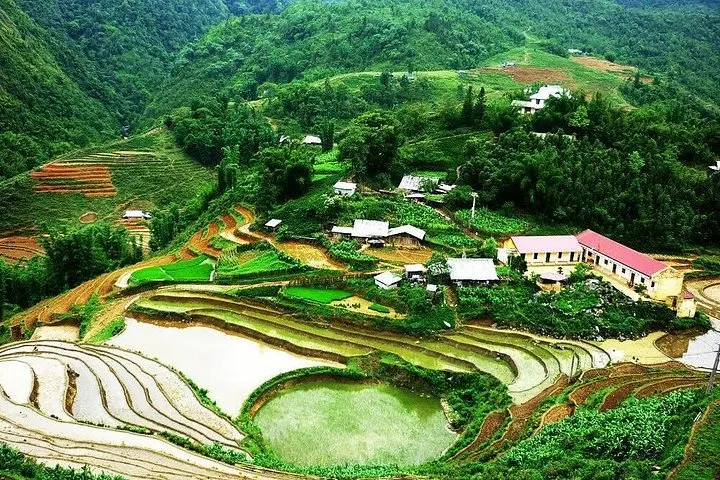
A mist lifts off the terraces as the bus drops you on the outskirts of Sapa town and the air sharpens with altitude. On the first day the trail runs like a thread through pine and bamboo, descending to Cat Cat where stone footpaths and rushing streams demand steady steps and quiet attention.
A mist lifts off the terraces as the bus drops you on the outskirts of Sapa town and the air sharpens with altitude. On the first day the trail runs like a thread through pine and bamboo, descending to Cat Cat where stone footpaths and rushing streams demand steady steps and quiet attention.
The Hoang Lien Son range, born of tectonic uplift and carved by monsoon runoff, frames the route; ancient terraces demonstrate centuries of rice cultivation by Hmong and Dao communities. The homestay evening is practical and generous—simple wood-fired cooking, local greens, and conversation translated through gestures and smiles.
Day two pushes along upland tracks to Y Linh Ho, Lao Chai and Ta Van villages: mud, rice walls and narrow ridgelines give way to long views when the clouds part. Expect simple guest rooms and shared bathrooms; this is cultural immersion more than comfort. Guides interpret local customs and point out irrigation channels and communal barns that reveal daily life here.
For planning: pack layers for sharp mornings and humid afternoons, sturdy trail shoes with good tread for wet terraces, and a small daypack for water and rain gear. Hydrate before and during the walk; trail surfaces vary from packed dirt to slippery stone steps. Allow extra time for photo stops and cultural exchanges—porters and pack animals share the track, and weather can reroute plans.
This two-day loop is equal parts landscape and local life: a compact, realistic way to experience Sapa’s highland trails and village hospitality without technical climbing skills.
Frequently asked questions
The itinerary is rated moderate: expect 2–3 hours of walking on day one and longer sections on day two, with uneven and sometimes steep terrain.
Accommodation is a local homestay with simple private or shared rooms, basic bedding and family-style meals included.
Yes—the tour includes a local guide, lunch, dinner, breakfast and bottled water as stated in the inclusions.
Guides commonly adapt pace or route for weather and group ability; always communicate fitness or health concerns before departure.
About This Experience
your indochina travel operates guided outdoor trips and adventures with an emphasis on safety, stewardship, and memorable experiences.
Adventure tips
Recommended gear
- Trail shoes with good tread: Provide grip on wet stone, mud and uneven village paths.
- Waterproof rain jacket: Keeps you dry during frequent mountain showers and wind.
- Daypack (20–30L): Carries water, snacks, layers and valuables while trekking between villages.
- Headlamp or small flashlight: Useful in homestays with limited lighting and for early starts.
Photos of the experience



Related adventures & guides
Read the full experience
A mist lifts off the terraces as the bus drops you on the outskirts of Sapa town and the air sharpens with altitude. On the first day the trail runs like a thread through pine and bamboo, descending to Cat Cat where stone footpaths and rushing streams demand steady steps and quiet attention.
A mist lifts off the terraces as the bus drops you on the outskirts of Sapa town and the air sharpens with altitude. On the first day the trail runs like a thread through pine and bamboo, descending to Cat Cat where stone footpaths and rushing streams demand steady steps and quiet attention.
The Hoang Lien Son range, born of tectonic uplift and carved by monsoon runoff, frames the route; ancient terraces demonstrate centuries of rice cultivation by Hmong and Dao communities. The homestay evening is practical and generous—simple wood-fired cooking, local greens, and conversation translated through gestures and smiles.
Day two pushes along upland tracks to Y Linh Ho, Lao Chai and Ta Van villages: mud, rice walls and narrow ridgelines give way to long views when the clouds part. Expect simple guest rooms and shared bathrooms; this is cultural immersion more than comfort. Guides interpret local customs and point out irrigation channels and communal barns that reveal daily life here.
For planning: pack layers for sharp mornings and humid afternoons, sturdy trail shoes with good tread for wet terraces, and a small daypack for water and rain gear. Hydrate before and during the walk; trail surfaces vary from packed dirt to slippery stone steps. Allow extra time for photo stops and cultural exchanges—porters and pack animals share the track, and weather can reroute plans.
This two-day loop is equal parts landscape and local life: a compact, realistic way to experience Sapa’s highland trails and village hospitality without technical climbing skills.
Make a day of it nearby.
Verified experiences and guided adventures in the surrounding area.