THE ADVENTURE COLLECTIVE® · Independent discovery and booking for outdoor travel

Trade Hanoi’s bustle for two days of stepped rice terraces, village life and an overnight homestay in Ta Van. This guided Sapa trek covers Lao Chai, Y Linh Ho and Giang Ta Chai with cooking class and local insights.
Trade Hanoi’s bustle for two days of stepped rice terraces, village life and an overnight homestay in Ta Van. This guided Sapa trek covers Lao Chai, Y Linh Ho and Giang Ta Chai with cooking class and local insights.
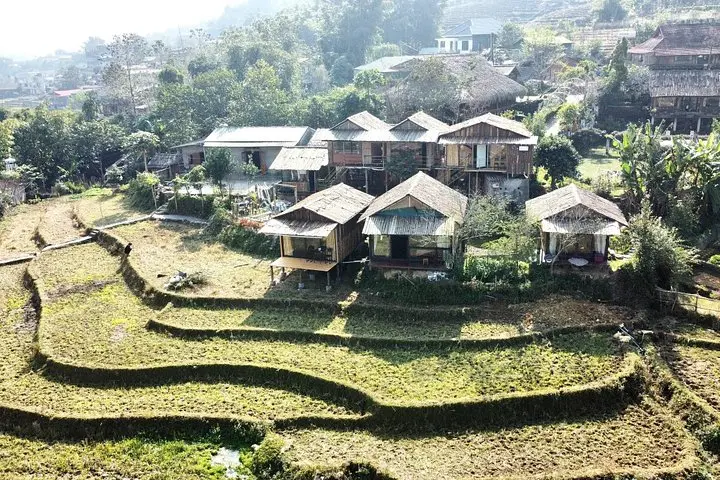
Mornings in Muong Hoa Valley start with mist that pulls itself along ridgelines, revealing terraces like stair-steps climbing the mountains. On this two-day loop from Hanoi you move from the bustle of the Old Quarter into quiet trails—steep stone steps, muddy rice-track, and highland paths edged by bamboo—that lead to Black H’mong and Dzay villages where children chase water buffalo and smoke curls from low roofs.
Verified experiences and guided adventures in the surrounding area.
Operated by Sapa May Travel · Sapa, Lao Cai Province
Mornings in Muong Hoa Valley start with mist that pulls itself along ridgelines, revealing terraces like stair-steps climbing the mountains. On this two-day loop from Hanoi you move from the bustle of the Old Quarter into quiet trails—steep stone steps, muddy rice-track, and highland paths edged by bamboo—that lead to Black H’mong and Dzay villages where children chase water buffalo and smoke curls from low roofs.
The Hoang Lien Range is young, folded limestone and shale carved by monsoon rains into the terraces and scarred ravines you traverse; culturally, Sapa has been a crossroads of Tay, H’mong and Dao communities for centuries, their brocade and stilt houses marking clan territories. Ta Van’s wooden homestays keep practical traditions alive: communal cooking, woven textiles and rice-field irrigation you’ll see on your treks.
Expect 8–12 km days across uneven terrain with short climbs and river crossings, guided by locals who know both route and story. The itinerary pairs a late-afternoon 5–8 km walk through Y Linh Ho and Lao Chai into Ta Van with a second-morning trek to Giang Ta Chai and Su Pan, returning to Sapa by mid-afternoon.
Practical notes: pack a waterproof layer and sturdy boots, carry snacks and at least 1.5 L water, and leave heavy luggage at Sapa hotel—the transfer handles larger bags. Start early to avoid afternoon showers in summer, and bring small cash for homestay tips, tea and local handicrafts. With basic fitness and steady shoes, this is a hands-on way to meet highland life while moving through some of Vietnam’s most immediate mountain scenery.
The route is doable for experienced walkers with good fitness; beginners who are active can manage but should prepare for long uphill/downhill sections and variable trail conditions.
Yes—participants leave large luggage at the Sapa hotel; only a daypack is needed on the treks and homestay.
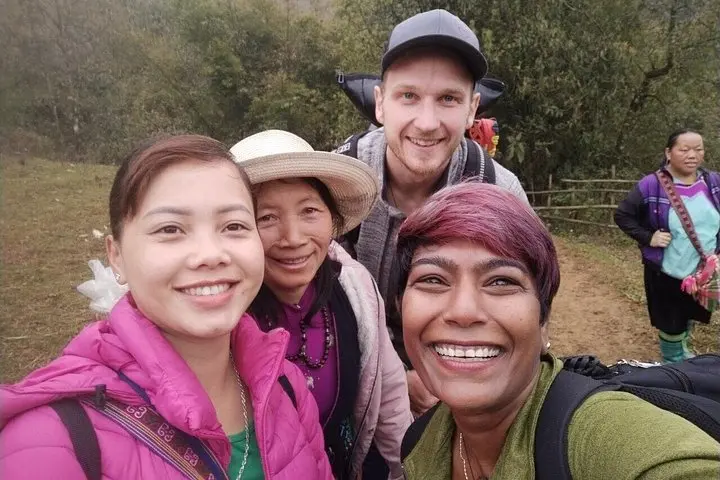
Local guides on this tour speak English; guides often explain cultural and agricultural practices of H’mong and Dzay communities.
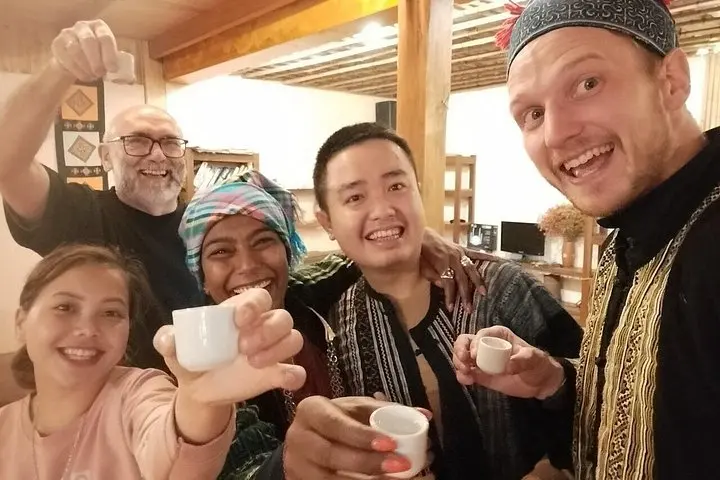
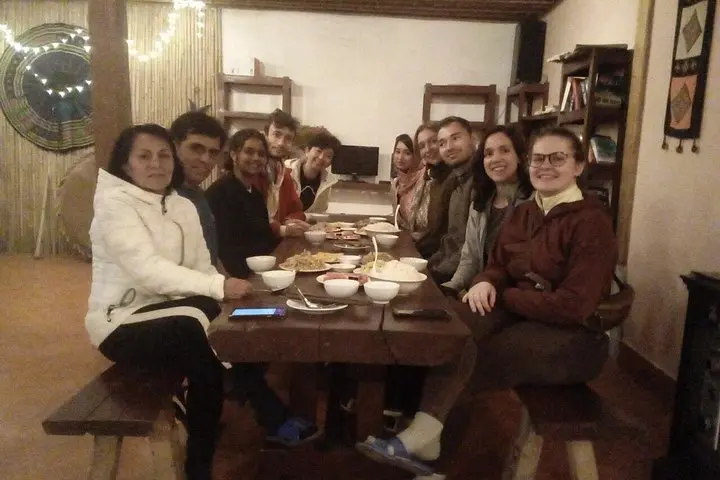
Yes—two lunches, one dinner, one breakfast and a homestay cooking class are included in the itinerary.
Sapa May Travel operates guided outdoor trips and adventures with an emphasis on safety, stewardship, and memorable experiences.
Mornings in Muong Hoa Valley start with mist that pulls itself along ridgelines, revealing terraces like stair-steps climbing the mountains. On this two-day loop from Hanoi you move from the bustle of the Old Quarter into quiet trails—steep stone steps, muddy rice-track, and highland paths edged by bamboo—that lead to Black H’mong and Dzay villages where children chase water buffalo and smoke curls from low roofs.
Mornings in Muong Hoa Valley start with mist that pulls itself along ridgelines, revealing terraces like stair-steps climbing the mountains. On this two-day loop from Hanoi you move from the bustle of the Old Quarter into quiet trails—steep stone steps, muddy rice-track, and highland paths edged by bamboo—that lead to Black H’mong and Dzay villages where children chase water buffalo and smoke curls from low roofs.
The Hoang Lien Range is young, folded limestone and shale carved by monsoon rains into the terraces and scarred ravines you traverse; culturally, Sapa has been a crossroads of Tay, H’mong and Dao communities for centuries, their brocade and stilt houses marking clan territories. Ta Van’s wooden homestays keep practical traditions alive: communal cooking, woven textiles and rice-field irrigation you’ll see on your treks.
Expect 8–12 km days across uneven terrain with short climbs and river crossings, guided by locals who know both route and story. The itinerary pairs a late-afternoon 5–8 km walk through Y Linh Ho and Lao Chai into Ta Van with a second-morning trek to Giang Ta Chai and Su Pan, returning to Sapa by mid-afternoon.
Practical notes: pack a waterproof layer and sturdy boots, carry snacks and at least 1.5 L water, and leave heavy luggage at Sapa hotel—the transfer handles larger bags. Start early to avoid afternoon showers in summer, and bring small cash for homestay tips, tea and local handicrafts. With basic fitness and steady shoes, this is a hands-on way to meet highland life while moving through some of Vietnam’s most immediate mountain scenery.