THE ADVENTURE COLLECTIVE® · Independent discovery and booking for outdoor travel

Walk ancient terraces and visit H’Mong and Dao villages on a compact 2-day trek from Hanoi, finishing each day in a 4-star Sapa hotel. Expect scenic trails, river crossings, and guided cultural insights.
Walk ancient terraces and visit H’Mong and Dao villages on a compact 2-day trek from Hanoi, finishing each day in a 4-star Sapa hotel. Expect scenic trails, river crossings, and guided cultural insights.
A cool mist lifts off the Muong Hoa valley as you step from the sleeping bus into Sapa’s thin air; stone streets meet carved wooden houses, and terraced fields stack like green steps up the slopes. On day one you walk to Cat Cat village, cross a timber bridge to a century-old French hydroelectric site, and watch women from the H’Mong and Dao markets mend indigo cloth by hand.
Verified experiences and guided adventures in the surrounding area.
Operated by Joy Tourist · Sapa, Lào Cai Province
A cool mist lifts off the Muong Hoa valley as you step from the sleeping bus into Sapa’s thin air; stone streets meet carved wooden houses, and terraced fields stack like green steps up the slopes. On day one you walk to Cat Cat village, cross a timber bridge to a century-old French hydroelectric site, and watch women from the H’Mong and Dao markets mend indigo cloth by hand.
The Hoàng Liên Sơn range behind Sapa is young, tectonically active rock sculpted by uplift and heavy seasonal rains—hills become terraces where rice and millet are coaxed from steep slopes. Ethnic minority groups including Black H’Mong, Red Dao and Giay have farmed these valleys for centuries; traditional stilt houses and embroidered dress remain visible in daily life.
Practically, the route is firm dirt and stepped trails with short steep sections and river crossings along Muong Hoa stream. Expect 3–6 hours of walking on the trekking day, with a comfortable hotel night in town. Guides arrange transfers on sleeping or VIP cabin buses from Hanoi, local lunches, and a packed lunch in the field.
Bring sturdy trail shoes, a waterproof layer and a small daypack for water and snacks; cushions and toilets are available in villages but can be basic. Early starts avoid afternoon mists and give the best views. Respect private village areas when photographing and consider cash for small purchases. This two-day loop delivers close-up culture, highland panoramas, and a manageable introduction to northern Vietnam’s mountain trekking.
The trek is rated moderate with several hours of walking on uneven paths; beginners who walk regularly for cardio and have good balance should manage with breaks.
Sapa sits around 1,400–1,600 meters; some visitors notice mild shortness of breath or headache—rest, hydrate, and avoid heavy exertion on arrival.
Yes—this tour includes one night at a 4-star hotel, two lunches, breakfast and dinner specified in the itinerary, and local guide services.
Most tours use overnight sleeping buses or VIP cabin buses on the highway (about 5–6 hours); this program includes roundtrip bus transfers.
Joy Tourist operates guided outdoor trips and adventures with an emphasis on safety, stewardship, and memorable experiences.

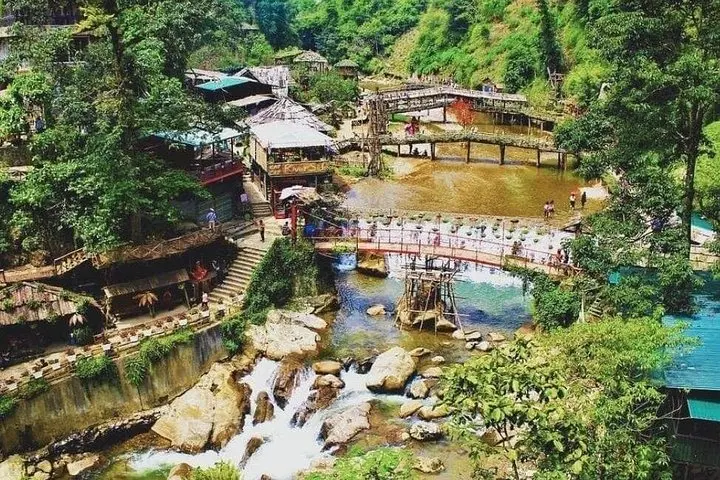

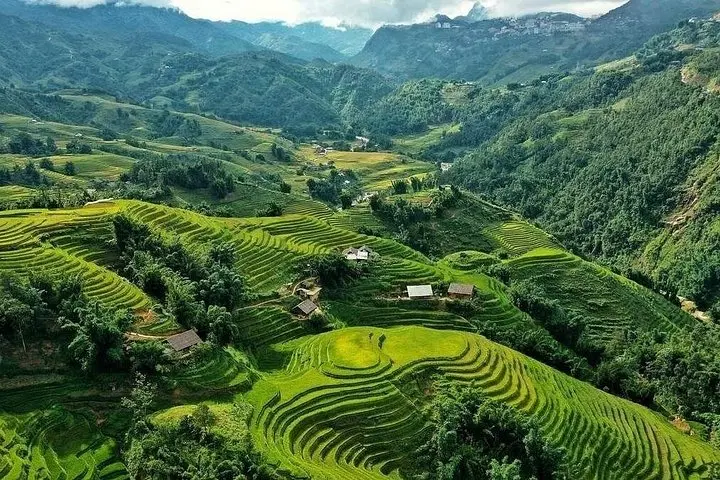
A cool mist lifts off the Muong Hoa valley as you step from the sleeping bus into Sapa’s thin air; stone streets meet carved wooden houses, and terraced fields stack like green steps up the slopes. On day one you walk to Cat Cat village, cross a timber bridge to a century-old French hydroelectric site, and watch women from the H’Mong and Dao markets mend indigo cloth by hand.
A cool mist lifts off the Muong Hoa valley as you step from the sleeping bus into Sapa’s thin air; stone streets meet carved wooden houses, and terraced fields stack like green steps up the slopes. On day one you walk to Cat Cat village, cross a timber bridge to a century-old French hydroelectric site, and watch women from the H’Mong and Dao markets mend indigo cloth by hand.
The Hoàng Liên Sơn range behind Sapa is young, tectonically active rock sculpted by uplift and heavy seasonal rains—hills become terraces where rice and millet are coaxed from steep slopes. Ethnic minority groups including Black H’Mong, Red Dao and Giay have farmed these valleys for centuries; traditional stilt houses and embroidered dress remain visible in daily life.
Practically, the route is firm dirt and stepped trails with short steep sections and river crossings along Muong Hoa stream. Expect 3–6 hours of walking on the trekking day, with a comfortable hotel night in town. Guides arrange transfers on sleeping or VIP cabin buses from Hanoi, local lunches, and a packed lunch in the field.
Bring sturdy trail shoes, a waterproof layer and a small daypack for water and snacks; cushions and toilets are available in villages but can be basic. Early starts avoid afternoon mists and give the best views. Respect private village areas when photographing and consider cash for small purchases. This two-day loop delivers close-up culture, highland panoramas, and a manageable introduction to northern Vietnam’s mountain trekking.