THE ADVENTURE COLLECTIVE® · Independent discovery and booking for outdoor travel

Two days of highland trekking from Hanoi through Muong Hoa Valley to Ta Van and Cat Cat villages, with rice terraces, ethnic encounters and a night in a 4-star Sapa hotel. Ideal for travelers seeking cultural immersion with manageable hiking.
Two days of highland trekking from Hanoi through Muong Hoa Valley to Ta Van and Cat Cat villages, with rice terraces, ethnic encounters and a night in a 4-star Sapa hotel. Ideal for travelers seeking cultural immersion with manageable hiking.
Fog lifts over narrow streets and the Hoàng Liên Sơn ridgeline pins the horizon behind a scattering of low clouds. On this two-day loop from Hanoi, travelers move from the city’s low hum into a highland world of carved rice terraces, bamboo bridges and the steady rhythm of village life.
Verified experiences and guided adventures in the surrounding area.
Operated by Asia Group Tour · Sapa, Lao Cai
Fog lifts over narrow streets and the Hoàng Liên Sơn ridgeline pins the horizon behind a scattering of low clouds. On this two-day loop from Hanoi, travelers move from the city’s low hum into a highland world of carved rice terraces, bamboo bridges and the steady rhythm of village life.
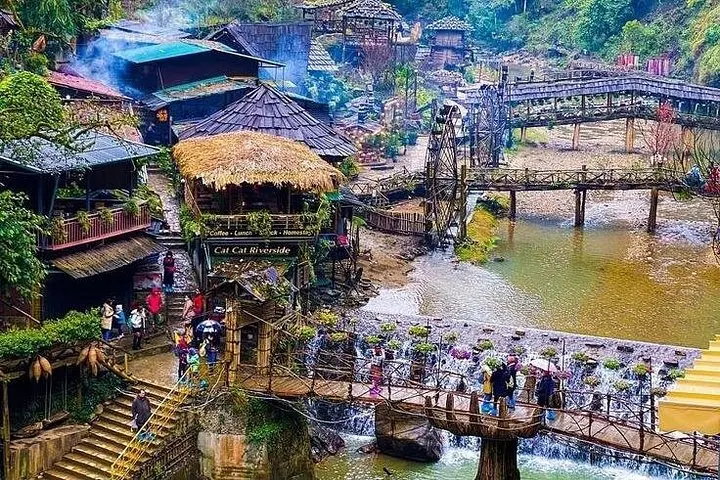
Sapa’s landscape is shaped by glacial and tectonic forces that raised the Hoàng Liên range; centuries of hand-built terraces cling to steep slopes and channel monsoon water like living stair-steps. The region’s history is a mix of ethnic traditions—Black H’mong, Red Dao and Giáy communities maintain distinct dress and techniques—and a colonial footprint visible in early 20th-century hydroelectric ruins near Cat Cat.
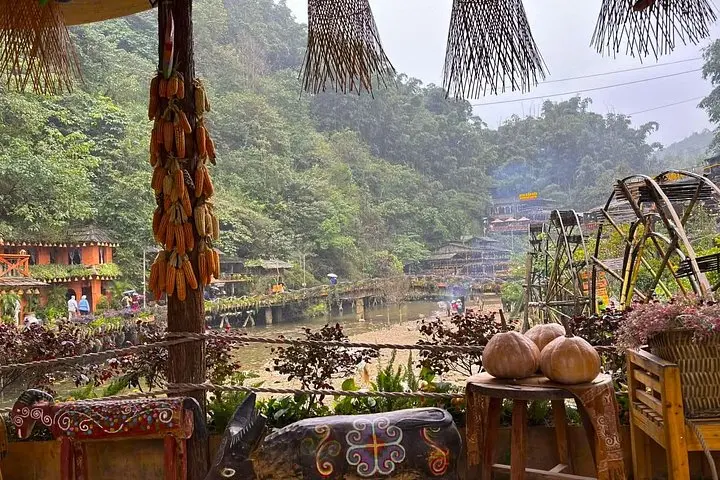
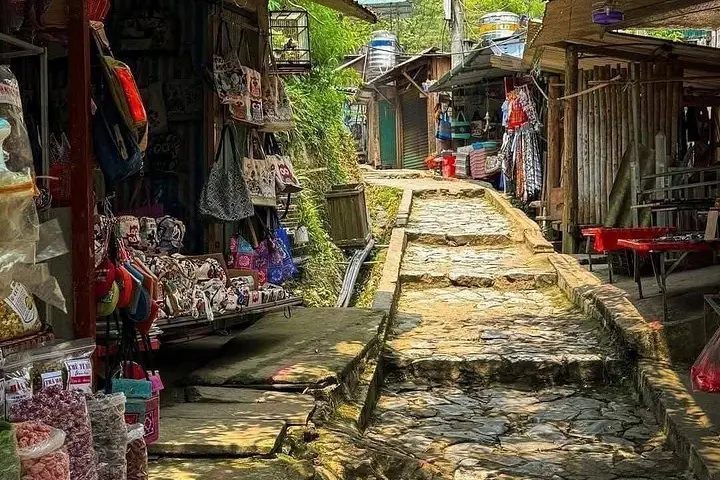
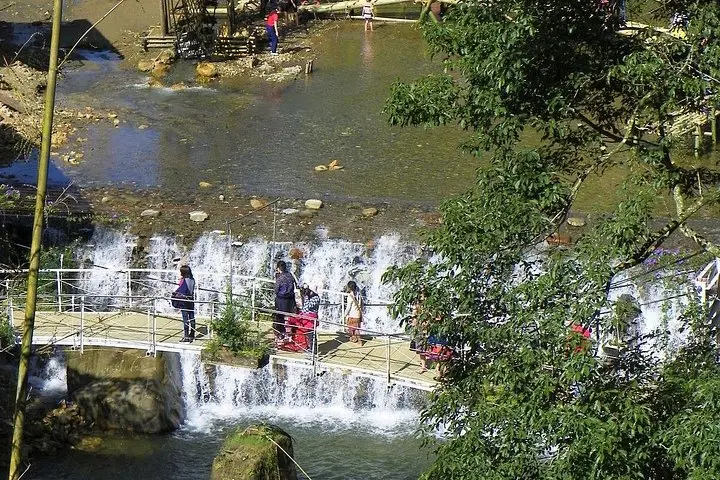
Expect paths that switchback through forest, skirt the Muong Hoa stream and drop into hamlets where children and water buffalo coexist in plain view. Trails are uneven, often muddy after rain, and framed by terraced edges that demand steady footing. Guides translate local stories and arrange homely lunches of rice, vegetable stir-fries and mountain herbs.
Practically: start early to avoid midday cloud, carry layered rain protection, and pace the descents to protect knees. The trek is non-technical but involves several hours of walking each day and short steep pitches. Respect private plots, bring local currency for small purchases, and consider hiring local porters for heavier packs. By sunset the terraces cool and the mountains feel alive—weathered rock and living fields trading places in a landscape that pushes you forward and rewards steady steps.
Moderate fitness is sufficient; expect several hours of walking each day on uneven, sometimes steep trails—regular walkers will find it manageable.
Yes—this tour includes a 4-star hotel night in Sapa and key meals (breakfast, lunches and dinner as specified); guides coordinate village lunches and local dishes.
Sapa sits around 1,500 m elevation—most travelers acclimate easily, but if you have cardiovascular concerns consult a doctor and ascend gradually.
Bring Vietnamese đồng for small purchases; many guides speak English, but basic Vietnamese phrases and small notes help with village vendors.
Asia Group Tour operates guided outdoor trips and adventures with an emphasis on safety, stewardship, and memorable experiences.
Fog lifts over narrow streets and the Hoàng Liên Sơn ridgeline pins the horizon behind a scattering of low clouds. On this two-day loop from Hanoi, travelers move from the city’s low hum into a highland world of carved rice terraces, bamboo bridges and the steady rhythm of village life.
Fog lifts over narrow streets and the Hoàng Liên Sơn ridgeline pins the horizon behind a scattering of low clouds. On this two-day loop from Hanoi, travelers move from the city’s low hum into a highland world of carved rice terraces, bamboo bridges and the steady rhythm of village life.
Sapa’s landscape is shaped by glacial and tectonic forces that raised the Hoàng Liên range; centuries of hand-built terraces cling to steep slopes and channel monsoon water like living stair-steps. The region’s history is a mix of ethnic traditions—Black H’mong, Red Dao and Giáy communities maintain distinct dress and techniques—and a colonial footprint visible in early 20th-century hydroelectric ruins near Cat Cat.
Expect paths that switchback through forest, skirt the Muong Hoa stream and drop into hamlets where children and water buffalo coexist in plain view. Trails are uneven, often muddy after rain, and framed by terraced edges that demand steady footing. Guides translate local stories and arrange homely lunches of rice, vegetable stir-fries and mountain herbs.
Practically: start early to avoid midday cloud, carry layered rain protection, and pace the descents to protect knees. The trek is non-technical but involves several hours of walking each day and short steep pitches. Respect private plots, bring local currency for small purchases, and consider hiring local porters for heavier packs. By sunset the terraces cool and the mountains feel alive—weathered rock and living fields trading places in a landscape that pushes you forward and rewards steady steps.