THE ADVENTURE COLLECTIVE® · Independent discovery and booking for outdoor travel

Spend two days trekking the Hoàng Liên Sơn foothills from Sapa Town to Ta Van and Cat Cat villages. Expect carved rice terraces, ethnic minority villages, a waterfall, and moderate hiking on stone and dirt paths.
Spend two days trekking the Hoàng Liên Sơn foothills from Sapa Town to Ta Van and Cat Cat villages. Expect carved rice terraces, ethnic minority villages, a waterfall, and moderate hiking on stone and dirt paths.
Morning mist lifts off the Muong Hoa valley and the terraces seem to breathe—each level a green ledge carved by generations of hands. On this two-day, one-night trek you move through that living landscape: a slow rhythm of switchbacks, stone paths and village tracks that reveal sweeping views of the Hoàng Liên Sơn range and threads of the Muong Hoa stream daring you onward.
Verified experiences and guided adventures in the surrounding area.
Operated by Vietnam Explorer · Sapa, Lao Cai
Morning mist lifts off the Muong Hoa valley and the terraces seem to breathe—each level a green ledge carved by generations of hands. On this two-day, one-night trek you move through that living landscape: a slow rhythm of switchbacks, stone paths and village tracks that reveal sweeping views of the Hoàng Liên Sơn range and threads of the Muong Hoa stream daring you onward.
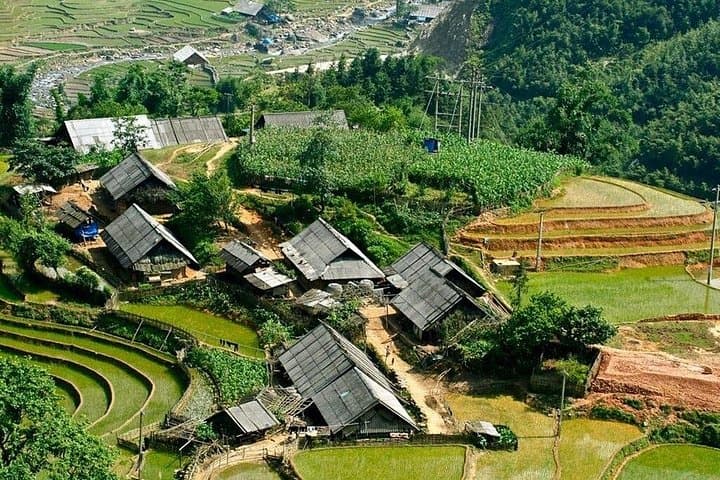
The region’s geology is rugged—ancient metamorphic ridges pushed up by the same tectonics that shaped Fansipan, Indochina’s highest peak. French-era sawmills and a small hydroelectric plant at Cat Cat remind you of colonial-era infrastructure; the villages you pass belong largely to Black H’mong, Red Dao and Dzay communities whose textiles and agricultural terraces reflect centuries of place-based knowledge.
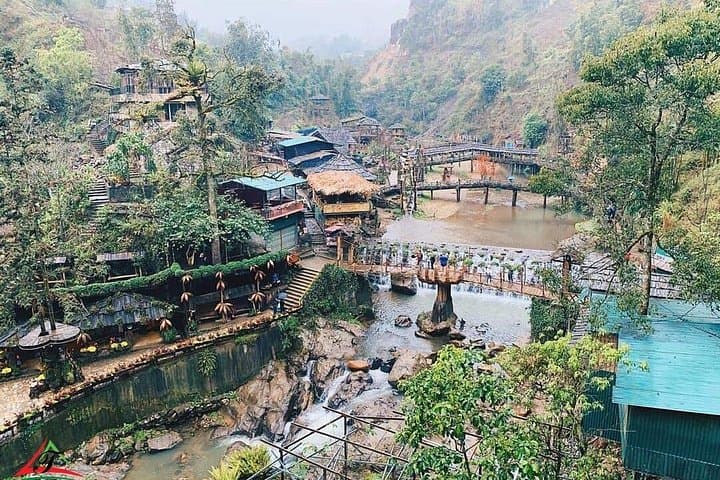
Day one is gentle walking to Cat Cat village, a look at local crafts and a short waterfall visit before dinner and a hotel stay in Sapa town. Day two opens with breakfast and 3–4 hours of steady trekking along Muong Hoa to Lao Chai and Ta Van, where rice terraces cascade to the valley floor. Trails vary—stone steps, muddy stretches after rain, narrow dirt tracks—so expect variable footing and simple village paths.
Practical edge: pack layered rain protection, sturdy footwear with grip for wet stone, and a daypack with water and snacks. Allow time for photo stops, support local guides with small purchases, and keep to marked trails to protect terraces. With moderate fitness and respect for local customs, this itinerary delivers a compact, authentic mountain experience.
The route is rated moderate: most sections are steady walking with some uphill and stone steps; no technical climbing is required.
Lunches and some meals are included, but bring snacks and preferred energy food, especially if you have dietary restrictions.
Signal is intermittent in villages and valley bottoms; Sapa town has better coverage and hotels usually offer Wi‑Fi.
Yes—an English-speaking local guide accompanies the trek and handles logistics with village hosts.
Vietnam Explorer operates guided outdoor trips and adventures with an emphasis on safety, stewardship, and memorable experiences.

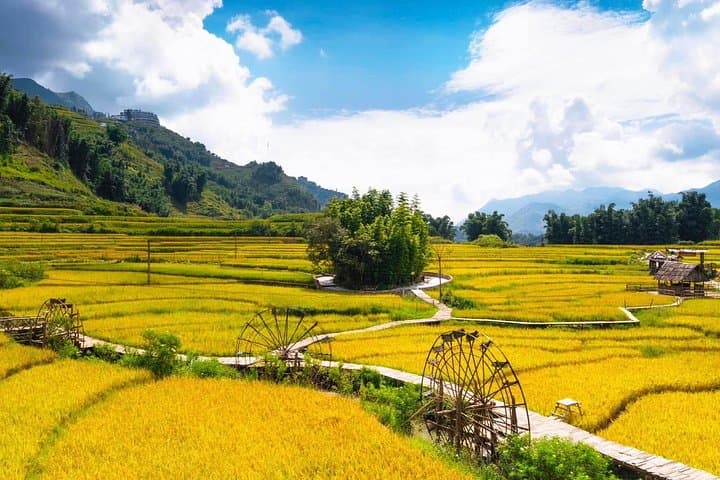
Morning mist lifts off the Muong Hoa valley and the terraces seem to breathe—each level a green ledge carved by generations of hands. On this two-day, one-night trek you move through that living landscape: a slow rhythm of switchbacks, stone paths and village tracks that reveal sweeping views of the Hoàng Liên Sơn range and threads of the Muong Hoa stream daring you onward.
Morning mist lifts off the Muong Hoa valley and the terraces seem to breathe—each level a green ledge carved by generations of hands. On this two-day, one-night trek you move through that living landscape: a slow rhythm of switchbacks, stone paths and village tracks that reveal sweeping views of the Hoàng Liên Sơn range and threads of the Muong Hoa stream daring you onward.
The region’s geology is rugged—ancient metamorphic ridges pushed up by the same tectonics that shaped Fansipan, Indochina’s highest peak. French-era sawmills and a small hydroelectric plant at Cat Cat remind you of colonial-era infrastructure; the villages you pass belong largely to Black H’mong, Red Dao and Dzay communities whose textiles and agricultural terraces reflect centuries of place-based knowledge.
Day one is gentle walking to Cat Cat village, a look at local crafts and a short waterfall visit before dinner and a hotel stay in Sapa town. Day two opens with breakfast and 3–4 hours of steady trekking along Muong Hoa to Lao Chai and Ta Van, where rice terraces cascade to the valley floor. Trails vary—stone steps, muddy stretches after rain, narrow dirt tracks—so expect variable footing and simple village paths.
Practical edge: pack layered rain protection, sturdy footwear with grip for wet stone, and a daypack with water and snacks. Allow time for photo stops, support local guides with small purchases, and keep to marked trails to protect terraces. With moderate fitness and respect for local customs, this itinerary delivers a compact, authentic mountain experience.