THE ADVENTURE COLLECTIVE® · Independent discovery and booking for outdoor travel

Two days of manageable trekking from Sapa take you through Cat Cat, along Muong Hoa Stream and into Ta Van village, mixing rice-terrace views with cultural stops at H’Mong and Dzao communities. Expect variable trails, local meals, and an overnight stay in a 4-star Sapa hotel.
Two days of manageable trekking from Sapa take you through Cat Cat, along Muong Hoa Stream and into Ta Van village, mixing rice-terrace views with cultural stops at H’Mong and Dzao communities. Expect variable trails, local meals, and an overnight stay in a 4-star Sapa hotel.
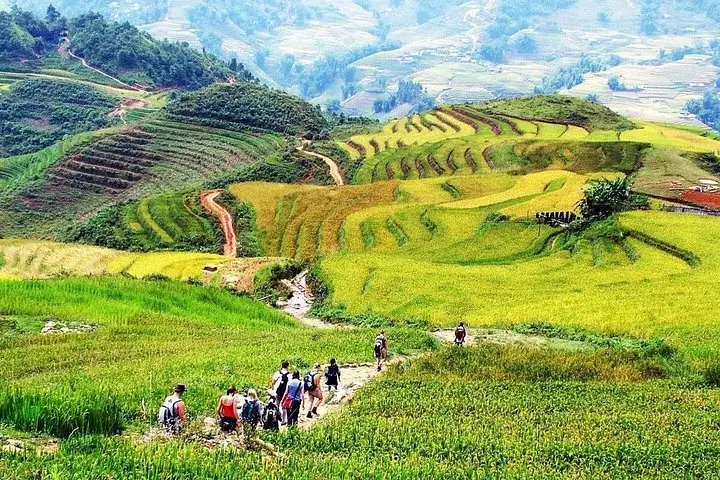
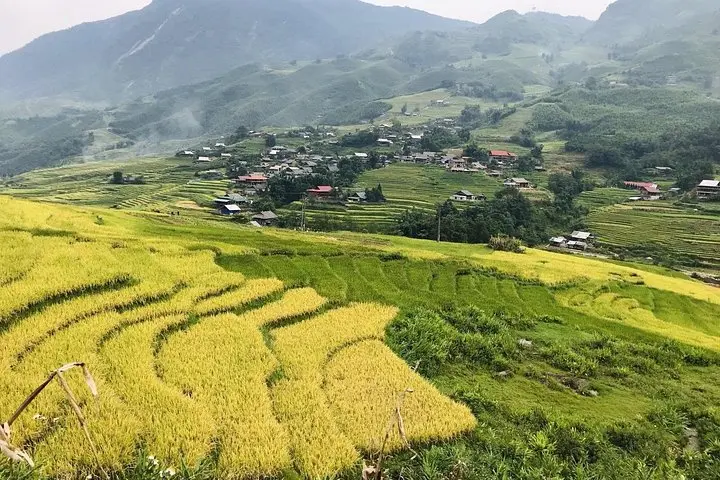
A cool mountain wind meets you on the first steps out of Sapa town, mist still clinging to the ridgelines as the valley opens into sweeping rice terraces. On day one the route wanders through Cat Cat village—stone paths, wooden houses and a French-era hydroelectric cascade—and on day two the trail follows Muong Hoa Stream past Lao Chai and into Ta Van, where fields and small homesteads stretch toward the Hoàng Liên Sơn foothills.
Verified experiences and guided adventures in the surrounding area.
Operated by Mekong Tourist · Sapa, Lào Cai
A cool mountain wind meets you on the first steps out of Sapa town, mist still clinging to the ridgelines as the valley opens into sweeping rice terraces. On day one the route wanders through Cat Cat village—stone paths, wooden houses and a French-era hydroelectric cascade—and on day two the trail follows Muong Hoa Stream past Lao Chai and into Ta Van, where fields and small homesteads stretch toward the Hoàng Liên Sơn foothills.
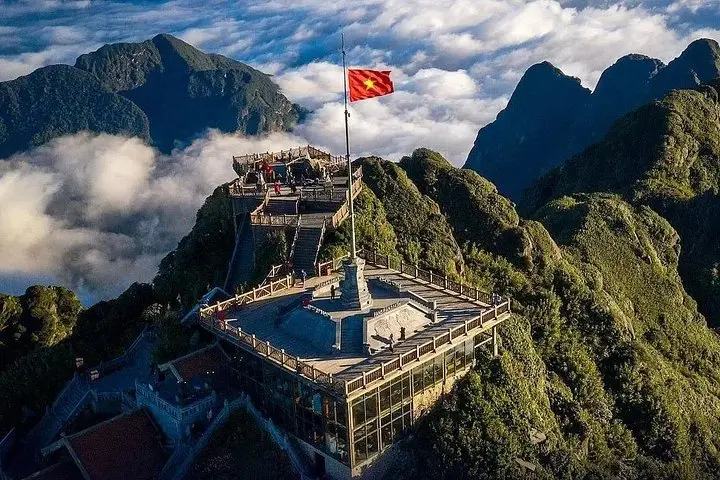
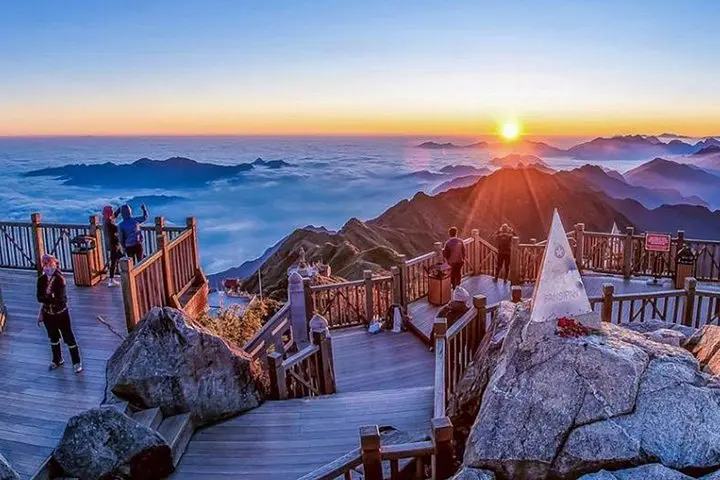
Sapa sits at roughly 1,500–1,600 m elevation beneath Fansipan, Vietnam’s highest peak. The terraces here are carved into metamorphic slopes and fed by seasonal runoff; fragments of ancient stone markers in the Muong Hoa valley hint at centuries of human habitation. The region’s cultural mix—Black H’mong, Red Dao and Dzay communities—means markets, traditional textiles and simple homestead economies punctuate the landscape.
Practically, expect dirt tracks, stone steps and slick mud when it rains. Day distances are moderate: short village walks on day one (2–4 km) and a longer valley trek on day two (6–10 km) with modest elevation changes rather than big climbs. Bring layered clothing for variable temperatures, a waterproof shell for monsoon-season showers, and comfortable hiking shoes with good traction.
Plan to start early to catch the light on terraces, carry small-denomination Dong for village purchases, and travel with a guide to learn local customs and minimize your footprint. The trip balances scenic walking with cultural encounters—simple, accessible trekking that rewards attention to weather and local etiquette.
The trek is moderate: mostly valley walking with some stone steps and rolling elevation; no technical climbing is required.
Sapa town sits around 1,500–1,600 m; trails in Muong Hoa valley descend slightly and then climb modestly—altitude sickness is uncommon at these elevations.
Yes—this tour includes two lunches, dinner, breakfast and one night at a 4-star hotel in Sapa, plus transportation and entrance fees as listed by the operator.
September–November offers clearer skies and golden rice harvests; spring is cooler and green, while summer brings heavy rains that make trails slippery.
Mekong Tourist operates guided outdoor trips and adventures with an emphasis on safety, stewardship, and memorable experiences.
A cool mountain wind meets you on the first steps out of Sapa town, mist still clinging to the ridgelines as the valley opens into sweeping rice terraces. On day one the route wanders through Cat Cat village—stone paths, wooden houses and a French-era hydroelectric cascade—and on day two the trail follows Muong Hoa Stream past Lao Chai and into Ta Van, where fields and small homesteads stretch toward the Hoàng Liên Sơn foothills.
A cool mountain wind meets you on the first steps out of Sapa town, mist still clinging to the ridgelines as the valley opens into sweeping rice terraces. On day one the route wanders through Cat Cat village—stone paths, wooden houses and a French-era hydroelectric cascade—and on day two the trail follows Muong Hoa Stream past Lao Chai and into Ta Van, where fields and small homesteads stretch toward the Hoàng Liên Sơn foothills.
Sapa sits at roughly 1,500–1,600 m elevation beneath Fansipan, Vietnam’s highest peak. The terraces here are carved into metamorphic slopes and fed by seasonal runoff; fragments of ancient stone markers in the Muong Hoa valley hint at centuries of human habitation. The region’s cultural mix—Black H’mong, Red Dao and Dzay communities—means markets, traditional textiles and simple homestead economies punctuate the landscape.
Practically, expect dirt tracks, stone steps and slick mud when it rains. Day distances are moderate: short village walks on day one (2–4 km) and a longer valley trek on day two (6–10 km) with modest elevation changes rather than big climbs. Bring layered clothing for variable temperatures, a waterproof shell for monsoon-season showers, and comfortable hiking shoes with good traction.
Plan to start early to catch the light on terraces, carry small-denomination Dong for village purchases, and travel with a guide to learn local customs and minimize your footprint. The trip balances scenic walking with cultural encounters—simple, accessible trekking that rewards attention to weather and local etiquette.