THE ADVENTURE COLLECTIVE® · Independent discovery and booking for outdoor travel

A compact 2-day trek from Sapa that links Cat Cat, Y Linh Ho, Lao Chai and Ta Van—ideal for travelers who want valley views, ethnic-village culture and an overnight in town without taking the night train.
A compact 2-day trek from Sapa that links Cat Cat, Y Linh Ho, Lao Chai and Ta Van—ideal for travelers who want valley views, ethnic-village culture and an overnight in town without taking the night train.
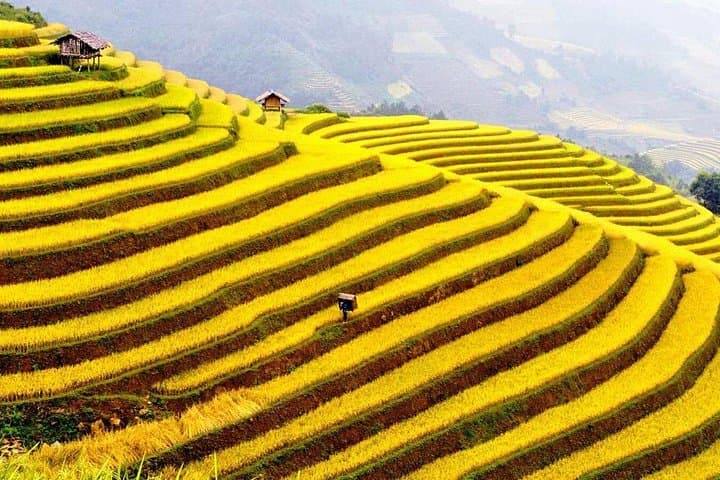
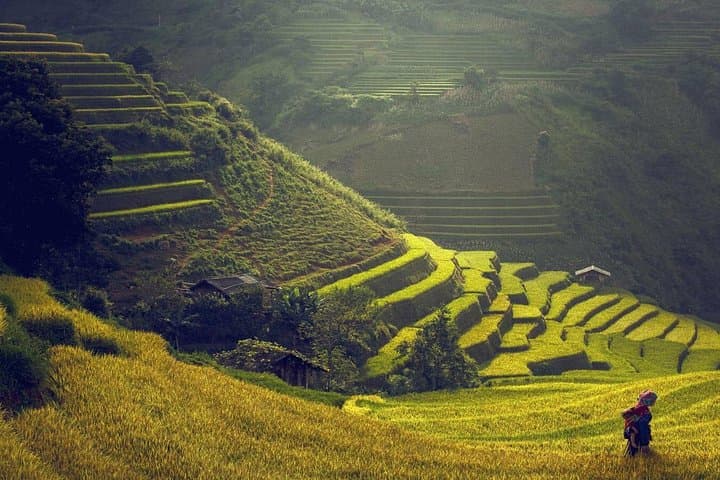
Mornings in Sapa arrive cool and sharp: mist peels back from rice terraces and the valley exhales a green, layered rhythm beneath your boots. On this two-day trek you drop from town into Muong Hoa Valley, follow carved stone paths past stilt houses and cross streams that seem to push you forward with a steady, patient current.
Verified experiences and guided adventures in the surrounding area.
Operated by Red Gecko Travel · Sapa, Lao Cai
Mornings in Sapa arrive cool and sharp: mist peels back from rice terraces and the valley exhales a green, layered rhythm beneath your boots. On this two-day trek you drop from town into Muong Hoa Valley, follow carved stone paths past stilt houses and cross streams that seem to push you forward with a steady, patient current.
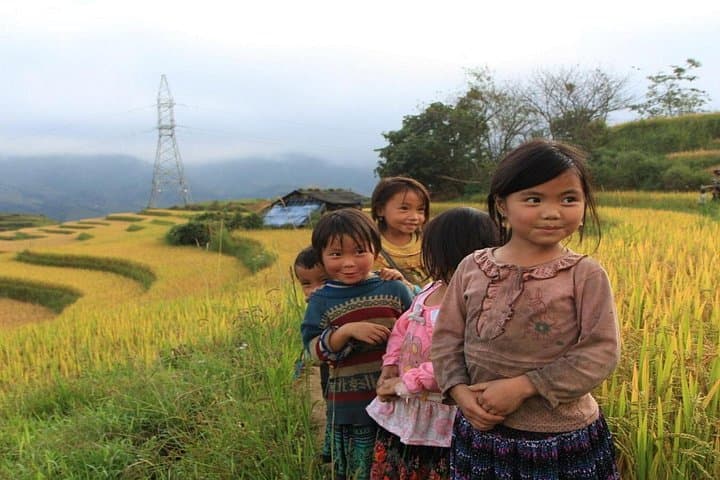
The region sits on the Hoang Lien Range, where Fansipan—the highest peak in Indochina—gestures from a distance and rivers have carved stepped terraces for centuries. The trails thread past Black H’mong and Tay villages; houses on stilts, indigo textiles and open-air markets echo a living cultural history shaped by rice farming and cross-border trade with Yunnan.
Geology is visible in the valley’s sweep—eroded volcanic soils and layered alluvium form the benches where rice paddies cling to slopes. Local guides point out irrigation channels and terraces cut by hand; village life remains central to every kilometer.
Practically: expect 6–8 hours of walking across two main days with mostly well-trodden, sometimes steep trails and wooden stair sections. Paths are wet in the morning and can be slippery after rain—good trekking shoes and poles matter. The tour uses daytime bus transfers from Hanoi and includes a single hotel night in Sapa, plus meals and entrance fees.
Plan for early starts, layered clothing for rapid temperature swings, cash for small purchases in village markets, and a readiness to slow your pace to meet locals and the landscape. The route offers striking valley views, waterfall photo stops at Cat Cat, and a close look at terrace agriculture that’s been shaped by generations.
Daily walks are moderate: mostly village tracks and terrace paths with some steep sections; suitable for travelers who can hike several hours at a steady pace.
Yes—the tour includes one night in a hotel in Sapa on a double/twin sharing basis.
No special permits are required for the Cat Cat–Muong Hoa Valley trails; the tour covers entrance fees listed in the itinerary.
Yes—there are scheduled free periods on both days for exploring Sapa market, cafés or viewpoint walks.
Red Gecko Travel operates guided outdoor trips and adventures with an emphasis on safety, stewardship, and memorable experiences.

Mornings in Sapa arrive cool and sharp: mist peels back from rice terraces and the valley exhales a green, layered rhythm beneath your boots. On this two-day trek you drop from town into Muong Hoa Valley, follow carved stone paths past stilt houses and cross streams that seem to push you forward with a steady, patient current.
Mornings in Sapa arrive cool and sharp: mist peels back from rice terraces and the valley exhales a green, layered rhythm beneath your boots. On this two-day trek you drop from town into Muong Hoa Valley, follow carved stone paths past stilt houses and cross streams that seem to push you forward with a steady, patient current.
The region sits on the Hoang Lien Range, where Fansipan—the highest peak in Indochina—gestures from a distance and rivers have carved stepped terraces for centuries. The trails thread past Black H’mong and Tay villages; houses on stilts, indigo textiles and open-air markets echo a living cultural history shaped by rice farming and cross-border trade with Yunnan.
Geology is visible in the valley’s sweep—eroded volcanic soils and layered alluvium form the benches where rice paddies cling to slopes. Local guides point out irrigation channels and terraces cut by hand; village life remains central to every kilometer.
Practically: expect 6–8 hours of walking across two main days with mostly well-trodden, sometimes steep trails and wooden stair sections. Paths are wet in the morning and can be slippery after rain—good trekking shoes and poles matter. The tour uses daytime bus transfers from Hanoi and includes a single hotel night in Sapa, plus meals and entrance fees.
Plan for early starts, layered clothing for rapid temperature swings, cash for small purchases in village markets, and a readiness to slow your pace to meet locals and the landscape. The route offers striking valley views, waterfall photo stops at Cat Cat, and a close look at terrace agriculture that’s been shaped by generations.