THE ADVENTURE COLLECTIVE® · Independent discovery and booking for outdoor travel

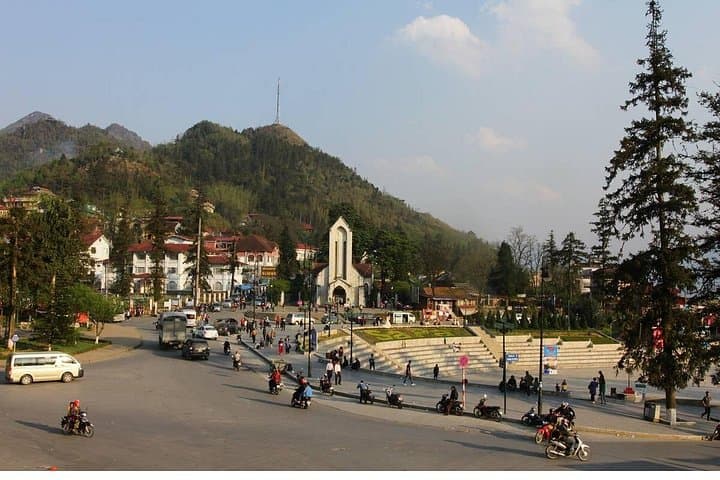
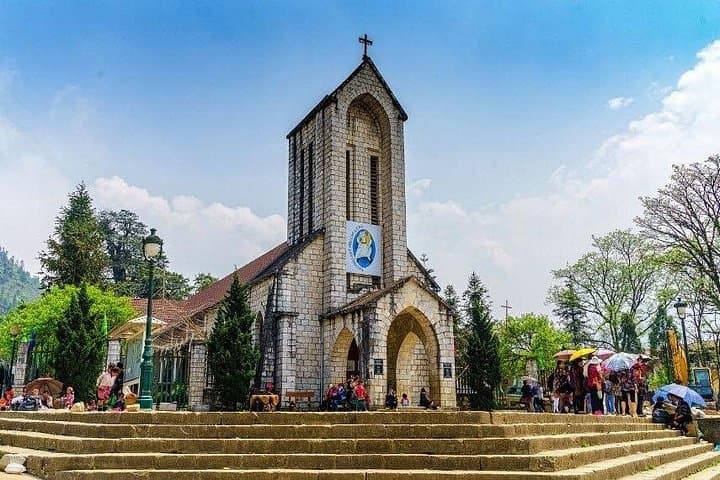
Three days from Hanoi deliver terraces, ethnic-village walks, a cable-car ascent to Fansipan, and a photogenic stop at Moana View. This compact itinerary balances short treks with cultural time in Sapa town.
Three days from Hanoi deliver terraces, ethnic-village walks, a cable-car ascent to Fansipan, and a photogenic stop at Moana View. This compact itinerary balances short treks with cultural time in Sapa town.
You arrive by overnight sleeper bus as dawn thins the valley air and terraces reveal their geometry — bands of green, teak, and stone stairways climbing toward mist.
Verified experiences and guided adventures in the surrounding area.
Operated by LOCAL TOURS VIETNAM · Sapa, Lao Cai
You arrive by overnight sleeper bus as dawn thins the valley air and terraces reveal their geometry — bands of green, teak, and stone stairways climbing toward mist.
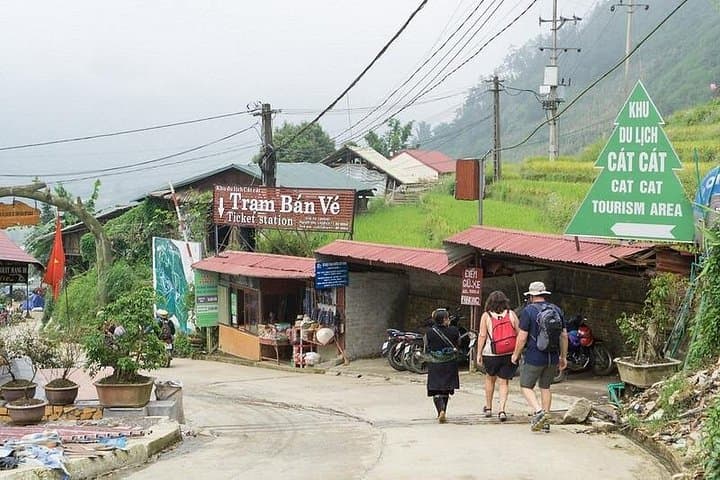
On day one you walk down into Cat Cat village, a 2.5 km loop that threads past a French-built hydraulic power station and a waterfall, offering close-up views of Black H’mong daily life and steep valley walls. The next day is about altitude and perspective: a 20-minute cable car ride carries you to roughly 2,800 m above sea level. From there, expect roughly 600 stone steps and short rocky staircases to reach Fansipan’s summit (3,143 m), where the air feels thinner and views open over the Muong Hoa valley.
Afternoon visits pivot to Moana View — a compact, photo-focused platform with an infinity pool, Bali gate, swing, and a panoramic café that frames Fansipan against layered rice terraces. Evenings return to Sapa town for markets, local cuisine, and homely hotels.
History and geology are visible in the landscape: terraced rice cultivation sculpted by Tay and H’mong communities and older French colonial infrastructure in the valley; limestone and metamorphic slopes under a subtropical highland climate.
Practical guidance: pack warm, windproof layers and a light rain shell, bring sturdy shoes for uneven steps, and carry cash for small vendors. Allow extra time for cable car lines and moderate fitness; altitude effects are usually mild but take it slow on the summit steps. Schedule buffer time in Sapa to enjoy valleys, not just photo stops.
The cable car takes you to ~2,800 m, then there are about 600 stone steps and short climbs to reach the 3,143 m summit; it's steep but short — moderate fitness and steady pacing are sufficient.
This itinerary includes two nights in a twin/double hotel room and meals listed in the itinerary: breakfasts, lunches, and dinners as specified by the operator.
The Cat Cat loop is roughly 2.5 km and typically takes about 1.5–2 hours depending on stops for photos and village visits.
For most nationalities visiting Sapa from Hanoi, no special local permits are required beyond a valid Vietnam visa as necessary; always check national visa rules before travel.
LOCAL TOURS VIETNAM operates guided outdoor trips and adventures with an emphasis on safety, stewardship, and memorable experiences.

You arrive by overnight sleeper bus as dawn thins the valley air and terraces reveal their geometry — bands of green, teak, and stone stairways climbing toward mist.
You arrive by overnight sleeper bus as dawn thins the valley air and terraces reveal their geometry — bands of green, teak, and stone stairways climbing toward mist.
On day one you walk down into Cat Cat village, a 2.5 km loop that threads past a French-built hydraulic power station and a waterfall, offering close-up views of Black H’mong daily life and steep valley walls. The next day is about altitude and perspective: a 20-minute cable car ride carries you to roughly 2,800 m above sea level. From there, expect roughly 600 stone steps and short rocky staircases to reach Fansipan’s summit (3,143 m), where the air feels thinner and views open over the Muong Hoa valley.
Afternoon visits pivot to Moana View — a compact, photo-focused platform with an infinity pool, Bali gate, swing, and a panoramic café that frames Fansipan against layered rice terraces. Evenings return to Sapa town for markets, local cuisine, and homely hotels.
History and geology are visible in the landscape: terraced rice cultivation sculpted by Tay and H’mong communities and older French colonial infrastructure in the valley; limestone and metamorphic slopes under a subtropical highland climate.
Practical guidance: pack warm, windproof layers and a light rain shell, bring sturdy shoes for uneven steps, and carry cash for small vendors. Allow extra time for cable car lines and moderate fitness; altitude effects are usually mild but take it slow on the summit steps. Schedule buffer time in Sapa to enjoy valleys, not just photo stops.