THE ADVENTURE COLLECTIVE® · Independent discovery and booking for outdoor travel

A compact, three-day trek from Hanoi into the Hoang Lien range, this trip mixes moderate day hikes with homestays in Hmong, Dao and Giay villages. Expect terraced rice fields, bamboo forests, waterfalls and immersive cultural exchange.
A compact, three-day trek from Hanoi into the Hoang Lien range, this trip mixes moderate day hikes with homestays in Hmong, Dao and Giay villages. Expect terraced rice fields, bamboo forests, waterfalls and immersive cultural exchange.
A cool mountain mist parts as the sleeping bus eases into Sapa at dawn; terraces step down the valley like carved green stairs and children wave from stilt houses. Over three days, the route threads from Sapa town (≈1,600 m) into Cat Cat, Y Linh Ho, Lao Chai, Ta Van and Giang Ta Chai villages, offering close encounters with Hmong, Dao and Giay communities amid bamboo groves and cascading streams.
Verified experiences and guided adventures in the surrounding area.
Operated by Vietmountain Travel · Sapa, Lao Cai
A cool mountain mist parts as the sleeping bus eases into Sapa at dawn; terraces step down the valley like carved green stairs and children wave from stilt houses. Over three days, the route threads from Sapa town (≈1,600 m) into Cat Cat, Y Linh Ho, Lao Chai, Ta Van and Giang Ta Chai villages, offering close encounters with Hmong, Dao and Giay communities amid bamboo groves and cascading streams.
The region’s geology—young, uplifted Hoang Lien range built of metamorphic bedrock—creates steep slopes that local farmers shaped into century-old rice terraces. French-era trails and a small hydropower station at Cat Cat hint at colonial-era infrastructure, while village workshops keep indigo dyeing, weaving and silverwork alive. Cultural exchange is central: homestays in Ta Van let visitors share meals and daily rhythms rather than observe from a distance.
Practically, expect daily trekking distances of about 3 km (Cat Cat day), ~12 km (Lao Chai loop) and ~8 km (Giang Ta Chai), with mixed dirt trails, stone steps and river crossings—3–6 hours walking on moderate terrain per day. Weather shifts quickly at elevation; pack rain protection, layered clothing and sturdy boots. Guides handle permits, local introductions and most logistics; bring cash for small purchases and modest gifts. Hydrate frequently, respect customs (ask before photographing people), and leave no trace—these valleys are working landscapes. For first-time multi-day trekkers, the reward is tangible: close cultural exchange framed by expansive mountain views that reward steady, respectful travel.
The tour includes an overnight sleeping bus from Hanoi to Sapa (about 4.5–5 hours); pickup details are provided at booking.
Yes—meals as specified and two nights’ accommodation (hotel in Sapa and a Ta Van homestay) are included in the itinerary.
Children can join but must be accompanied by an adult; the operator advises moderate fitness and notes some steep sections may be challenging for very young kids.
Bring travel insurance that covers trekking at altitude; the tour covers entrance fees and local permissions typically required for village visits.
Vietmountain Travel operates guided outdoor trips and adventures with an emphasis on safety, stewardship, and memorable experiences.


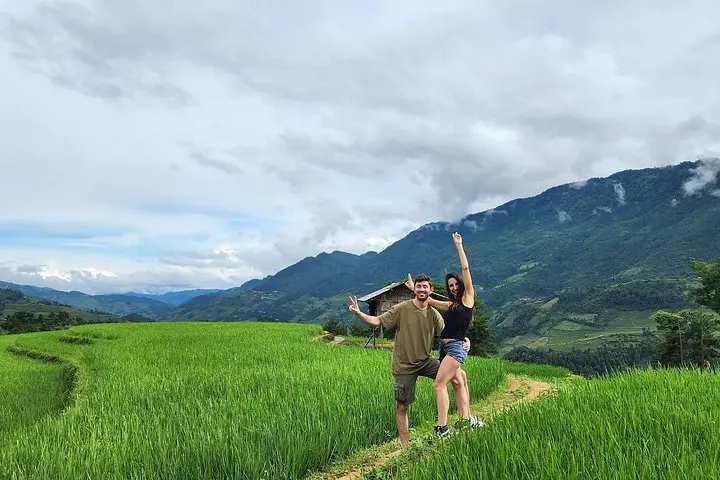
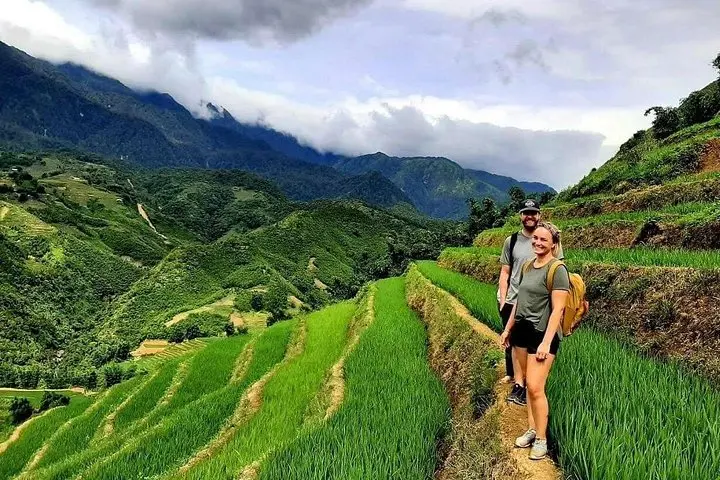
A cool mountain mist parts as the sleeping bus eases into Sapa at dawn; terraces step down the valley like carved green stairs and children wave from stilt houses. Over three days, the route threads from Sapa town (≈1,600 m) into Cat Cat, Y Linh Ho, Lao Chai, Ta Van and Giang Ta Chai villages, offering close encounters with Hmong, Dao and Giay communities amid bamboo groves and cascading streams.
A cool mountain mist parts as the sleeping bus eases into Sapa at dawn; terraces step down the valley like carved green stairs and children wave from stilt houses. Over three days, the route threads from Sapa town (≈1,600 m) into Cat Cat, Y Linh Ho, Lao Chai, Ta Van and Giang Ta Chai villages, offering close encounters with Hmong, Dao and Giay communities amid bamboo groves and cascading streams.
The region’s geology—young, uplifted Hoang Lien range built of metamorphic bedrock—creates steep slopes that local farmers shaped into century-old rice terraces. French-era trails and a small hydropower station at Cat Cat hint at colonial-era infrastructure, while village workshops keep indigo dyeing, weaving and silverwork alive. Cultural exchange is central: homestays in Ta Van let visitors share meals and daily rhythms rather than observe from a distance.
Practically, expect daily trekking distances of about 3 km (Cat Cat day), ~12 km (Lao Chai loop) and ~8 km (Giang Ta Chai), with mixed dirt trails, stone steps and river crossings—3–6 hours walking on moderate terrain per day. Weather shifts quickly at elevation; pack rain protection, layered clothing and sturdy boots. Guides handle permits, local introductions and most logistics; bring cash for small purchases and modest gifts. Hydrate frequently, respect customs (ask before photographing people), and leave no trace—these valleys are working landscapes. For first-time multi-day trekkers, the reward is tangible: close cultural exchange framed by expansive mountain views that reward steady, respectful travel.