
Sapa 3-Day Trek and Homestay: Rice Terraces, Cat Cat & Ta Van Bungalow
Three days of valley trails, a night in a 4‑star hotel and one in a village bungalow—this Sapa itinerary blends powered comfort with close-up cultural treks through Muong Hoa Valley. Hike terraces, visit Cat Cat waterfall, learn to cook with a local family, and sleep to the hush of mountain air.
An Adventure In Sapa.
Three days of valley trails, a night in a 4‑star hotel and one in a village bungalow—this Sapa itinerary blends powered comfort with close-up cultural treks through Muong Hoa Valley. Hike terraces, visit Cat Cat waterfall, learn to cook with a local family, and sleep to the hush of mountain air.
Read the full experience
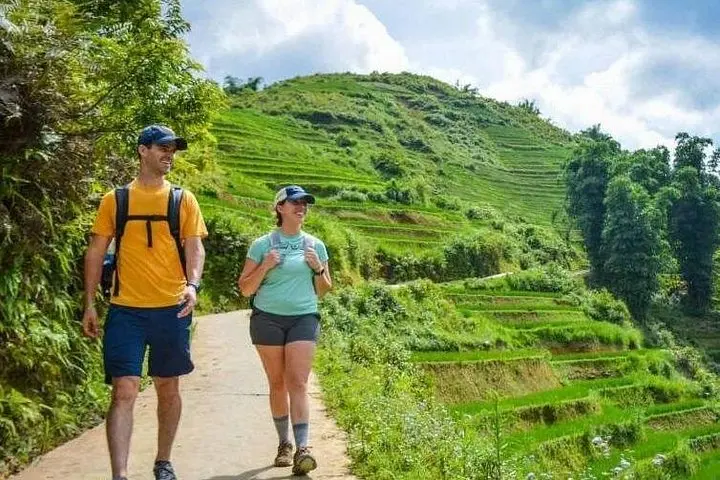
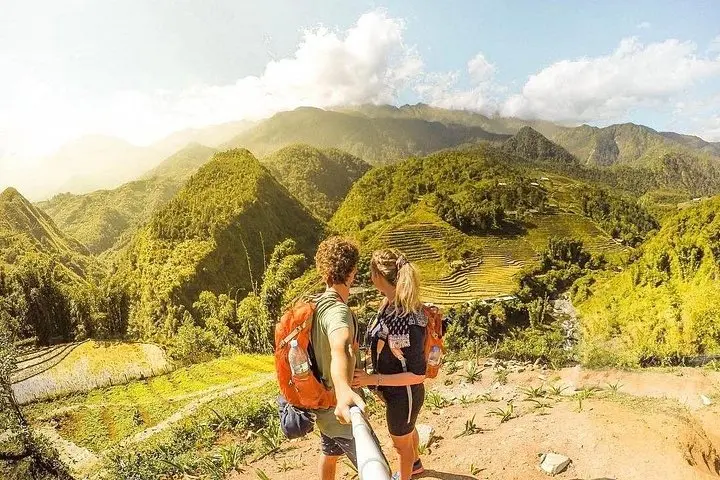
The bus climbs out of the lowlands before dawn and the valley exhales mist: by mid-morning you’re above 1,500 m, rice terraces layering the slopes like steps cut for the clouds. Trails cut through bamboo and along the Muong Hoa stream, while villagers in indigo and red move with purpose—carrying water, guiding water buffalo, inviting you into a household kitchen.
The bus climbs out of the lowlands before dawn and the valley exhales mist: by mid-morning you’re above 1,500 m, rice terraces layering the slopes like steps cut for the clouds. Trails cut through bamboo and along the Muong Hoa stream, while villagers in indigo and red move with purpose—carrying water, guiding water buffalo, inviting you into a household kitchen.
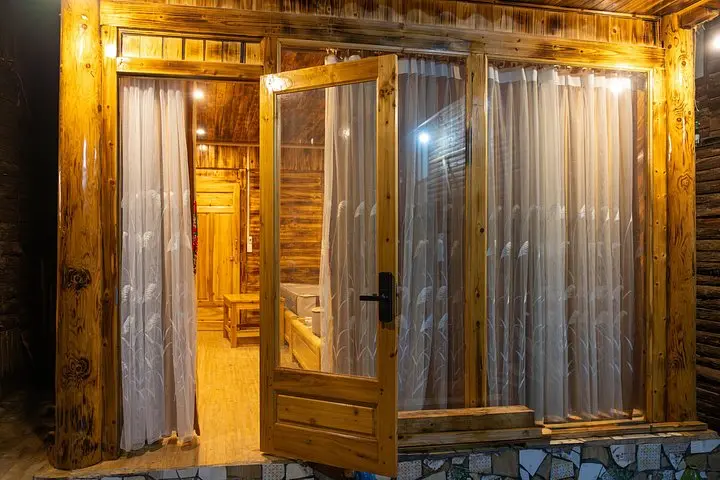
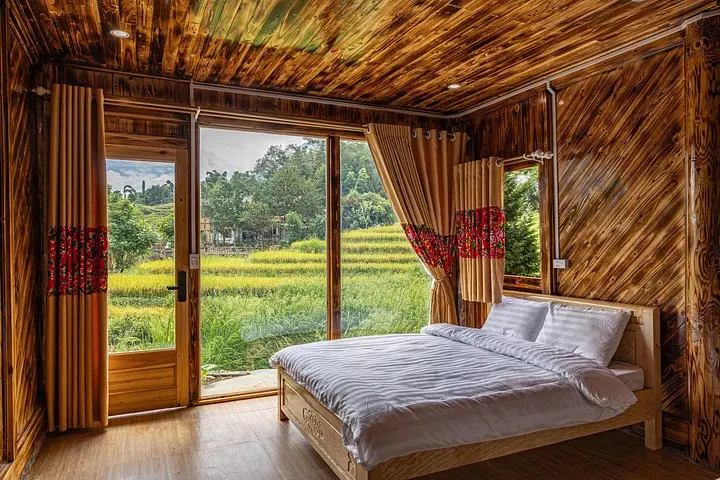
Sapa sits on the Hoang Lien Son massif, a tectonically uplifted spine that produces sudden ridgelines and deep valleys. The French turned Sapa into a hill station in the early 20th century; remnants appear at Cat Cat, where a colonial-era hydraulic station still marks the waterfall. Ethnically diverse—Black H’mong, Red Dzao and Dzay communities farm terraces and maintain living traditions. Expect close cultural contact: a family lunch, a cooking class, and a night in a Ta Van bungalow where the stove warms stories as easily as soup.
Plan on a mix of short hikes and a longer 12 km day through Lao Chai and Ta Van (about 4 hours), plus shorter 3–4 km walks on arrival and departure days. Trails are a mix of packed dirt, stone steps and occasionally slippery paddy margins; elevation changes are moderate but continuous. Bring layered clothing for wind and rain, sturdy footwear, cash for small purchases and a light daypack for water and snacks. Respect household rules during homestays, keep to marked paths to protect terraces, and time your photography for sunset over the valley—when the mountains soften and the landscape seems to breathe.
Frequently asked questions
Trek lengths vary from short 3–4 km walks to a longer 12 km day; terrain is uneven but not technical—good stamina and steady footing are sufficient.
Night one is a 4‑star hotel with private facilities; the bungalow night is a basic homestay with modest comforts and shared amenities.
Families and older adults who are reasonably fit can participate, but it’s not recommended for those with serious back, heart, or pregnancy concerns.
Foreign visitors should confirm Vietnam entry requirements in advance; no special permits are needed for the village treks beyond normal park fees covered by the tour.
About This Experience
Best Vietnam Tours operates guided outdoor trips and adventures with an emphasis on safety, stewardship, and memorable experiences.
Adventure tips
Recommended gear
- Waterproof shell: Protects against sudden mountain rain common in the Hoang Lien Son range.
- Sturdy hiking shoes or trail runners: Provide grip on stone steps, muddy terraces and uneven village paths.
- Daypack with hydration: Carries water, snacks, layers and camera during long treks between villages.
- Headlamp and spare batteries: Useful in bungalows or if you need to move after dusk; some homestays have limited lighting.
Photos of the experience
Related adventures & guides
Read the full experience
The bus climbs out of the lowlands before dawn and the valley exhales mist: by mid-morning you’re above 1,500 m, rice terraces layering the slopes like steps cut for the clouds. Trails cut through bamboo and along the Muong Hoa stream, while villagers in indigo and red move with purpose—carrying water, guiding water buffalo, inviting you into a household kitchen.
The bus climbs out of the lowlands before dawn and the valley exhales mist: by mid-morning you’re above 1,500 m, rice terraces layering the slopes like steps cut for the clouds. Trails cut through bamboo and along the Muong Hoa stream, while villagers in indigo and red move with purpose—carrying water, guiding water buffalo, inviting you into a household kitchen.
Sapa sits on the Hoang Lien Son massif, a tectonically uplifted spine that produces sudden ridgelines and deep valleys. The French turned Sapa into a hill station in the early 20th century; remnants appear at Cat Cat, where a colonial-era hydraulic station still marks the waterfall. Ethnically diverse—Black H’mong, Red Dzao and Dzay communities farm terraces and maintain living traditions. Expect close cultural contact: a family lunch, a cooking class, and a night in a Ta Van bungalow where the stove warms stories as easily as soup.
Plan on a mix of short hikes and a longer 12 km day through Lao Chai and Ta Van (about 4 hours), plus shorter 3–4 km walks on arrival and departure days. Trails are a mix of packed dirt, stone steps and occasionally slippery paddy margins; elevation changes are moderate but continuous. Bring layered clothing for wind and rain, sturdy footwear, cash for small purchases and a light daypack for water and snacks. Respect household rules during homestays, keep to marked paths to protect terraces, and time your photography for sunset over the valley—when the mountains soften and the landscape seems to breathe.
Make a day of it nearby.
Verified experiences and guided adventures in the surrounding area.