THE ADVENTURE COLLECTIVE® · Independent discovery and booking for outdoor travel

Three days of valley trails, rice terraces and village visits begin with a comfortable bus ride from Hanoi. Expect short guided treks to Cat Cat and a longer 9 km walk through Muong Hoa valley to Lao Chai and Ta Van.
Three days of valley trails, rice terraces and village visits begin with a comfortable bus ride from Hanoi. Expect short guided treks to Cat Cat and a longer 9 km walk through Muong Hoa valley to Lao Chai and Ta Van.
You step off the bus and cold mountain air pulls at your scarf; clouds sit low on the Hoang Lien Son ridgeline and the town of Sapa opens into terraces and tiled roofs. Daylight slides across rice benches as H'mong women walk with woven baskets and children chase water buffalo along narrow paths. The first afternoon’s short walk to Cat Cat drops into a steep valley where a colonial-era hydroelectric site and a small waterfall mark the village’s edge.
Verified experiences and guided adventures in the surrounding area.
Operated by Vietnam Travel Top · Sapa, Lao Cai Province
You step off the bus and cold mountain air pulls at your scarf; clouds sit low on the Hoang Lien Son ridgeline and the town of Sapa opens into terraces and tiled roofs. Daylight slides across rice benches as H'mong women walk with woven baskets and children chase water buffalo along narrow paths. The first afternoon’s short walk to Cat Cat drops into a steep valley where a colonial-era hydroelectric site and a small waterfall mark the village’s edge.
This region has long been a crossroads of highland cultures — Black H’mong, Dzay and Red Dao communities maintain distinct dress, language and rice-farming techniques. Geologically, Sapa sits on weathered metamorphic rock at roughly 1,500–1,600 m with Fansipan (3,143 m) rising beyond; terraces and streams trace ancient erosion lines. French hill-station history shows in stone houses and the early hydro works at Cat Cat.
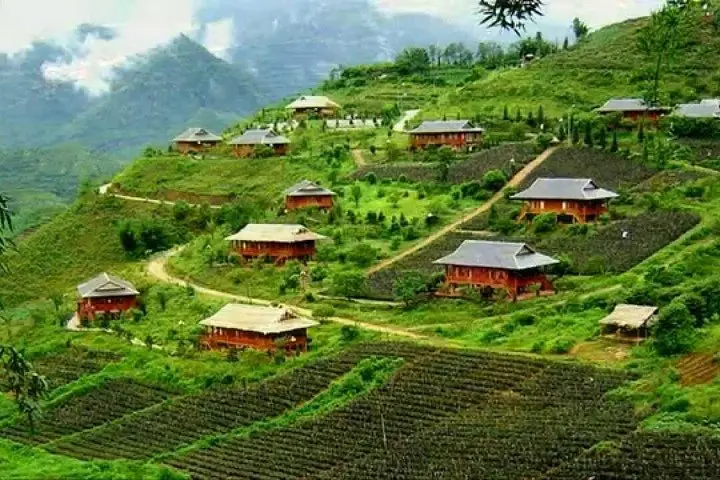
Practically, the tour pairs short walks and a longer 9 km trek along the Muong Hoa valley, passing Lao Chai and Ta Van villages where rice terraces and wooden stilt homes give steady, wide views. Expect foggy mornings, sudden showers and chill after sunset; trails are mostly dirt and stone with moderate climbs and descents. Carry layers, cash (VND), a charged phone and basic first aid. Wear sturdy shoes and bring insect repellent and sunscreen for exposed ridge sections.
Timing your walks for clear afternoons often yields the best views; mornings can be obscured by cloud. This itinerary is well suited to travelers with basic trekking experience who want cultural contact without technical climbing.
Moderate fitness is enough—most walking is on dirt and stone paths with short climbs; the longest trek is about 9 km and typically takes ~3.5 hours.
You need to carry your passport for identification if required by your nationality; check Vietnam entry rules separately—this tour only requires you to provide passport info for booking.
Sapa is cooler than Hanoi year-round with frequent fog and sudden rain, especially in winter and the rainy season; pack layers and a rain shell.
Most village vendors accept cash only; bring Vietnamese Dong and a reserve of small notes for purchases and tips.
Vietnam Travel Top operates guided outdoor trips and adventures with an emphasis on safety, stewardship, and memorable experiences.
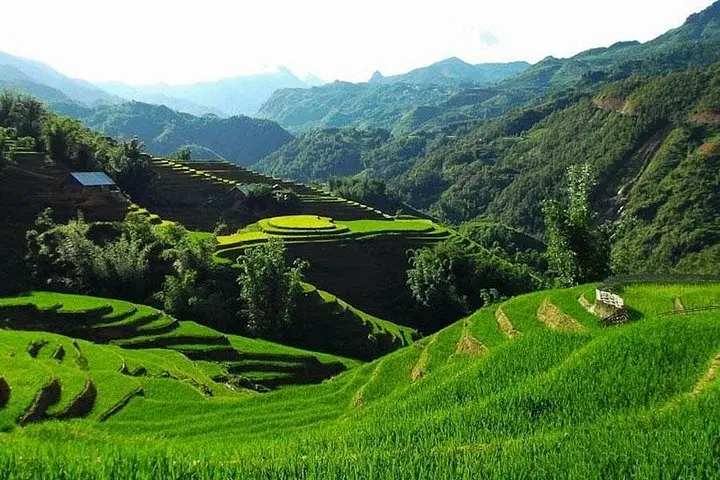

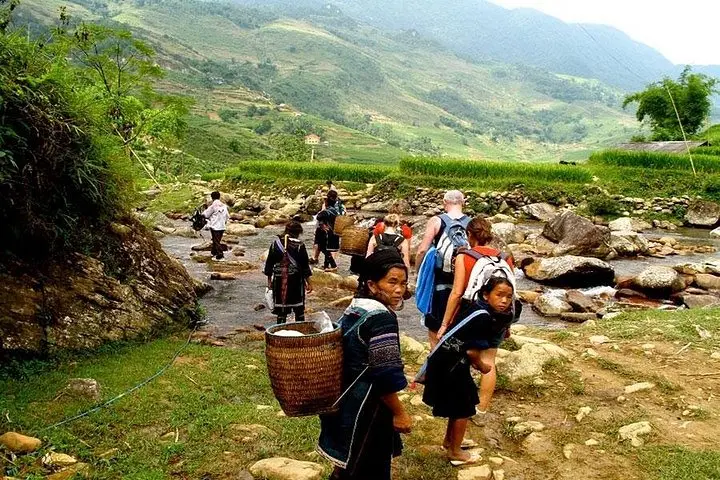
You step off the bus and cold mountain air pulls at your scarf; clouds sit low on the Hoang Lien Son ridgeline and the town of Sapa opens into terraces and tiled roofs. Daylight slides across rice benches as H'mong women walk with woven baskets and children chase water buffalo along narrow paths. The first afternoon’s short walk to Cat Cat drops into a steep valley where a colonial-era hydroelectric site and a small waterfall mark the village’s edge.
You step off the bus and cold mountain air pulls at your scarf; clouds sit low on the Hoang Lien Son ridgeline and the town of Sapa opens into terraces and tiled roofs. Daylight slides across rice benches as H'mong women walk with woven baskets and children chase water buffalo along narrow paths. The first afternoon’s short walk to Cat Cat drops into a steep valley where a colonial-era hydroelectric site and a small waterfall mark the village’s edge.
This region has long been a crossroads of highland cultures — Black H’mong, Dzay and Red Dao communities maintain distinct dress, language and rice-farming techniques. Geologically, Sapa sits on weathered metamorphic rock at roughly 1,500–1,600 m with Fansipan (3,143 m) rising beyond; terraces and streams trace ancient erosion lines. French hill-station history shows in stone houses and the early hydro works at Cat Cat.
Practically, the tour pairs short walks and a longer 9 km trek along the Muong Hoa valley, passing Lao Chai and Ta Van villages where rice terraces and wooden stilt homes give steady, wide views. Expect foggy mornings, sudden showers and chill after sunset; trails are mostly dirt and stone with moderate climbs and descents. Carry layers, cash (VND), a charged phone and basic first aid. Wear sturdy shoes and bring insect repellent and sunscreen for exposed ridge sections.
Timing your walks for clear afternoons often yields the best views; mornings can be obscured by cloud. This itinerary is well suited to travelers with basic trekking experience who want cultural contact without technical climbing.