THE ADVENTURE COLLECTIVE® · Independent discovery and booking for outdoor travel

Three days of rice terraces, village trails and a night in a Ta Van homestay—this Sapa trek pairs accessible trekking with cultural immersion. Learn what to expect on the trails, the terrain, and how to prepare for variable mountain weather.
Three days of rice terraces, village trails and a night in a Ta Van homestay—this Sapa trek pairs accessible trekking with cultural immersion. Learn what to expect on the trails, the terrain, and how to prepare for variable mountain weather.
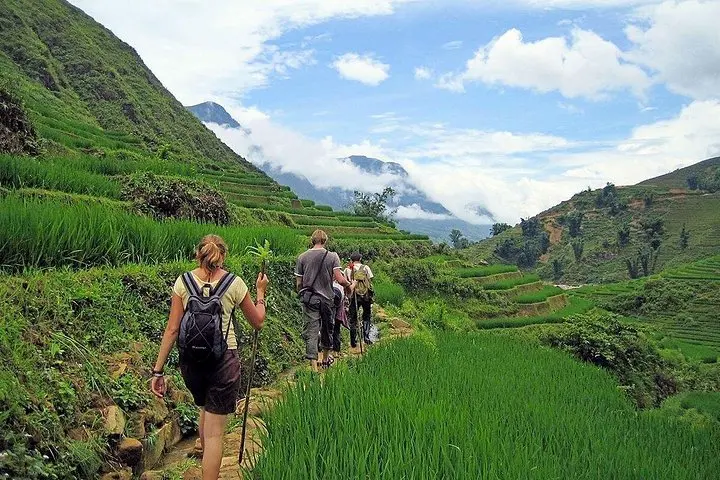
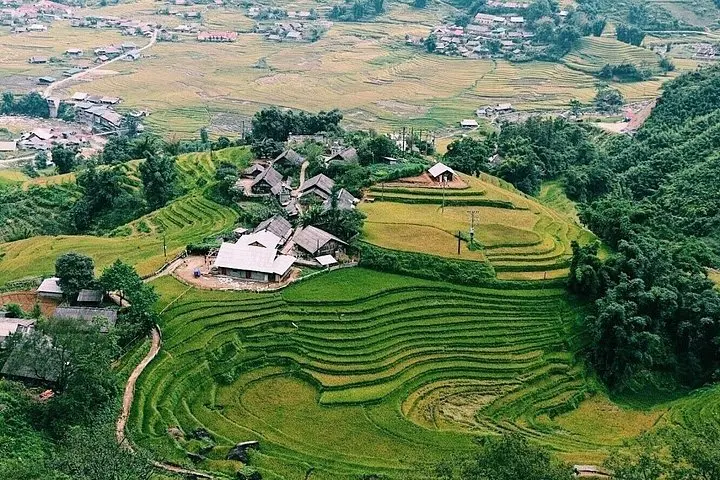
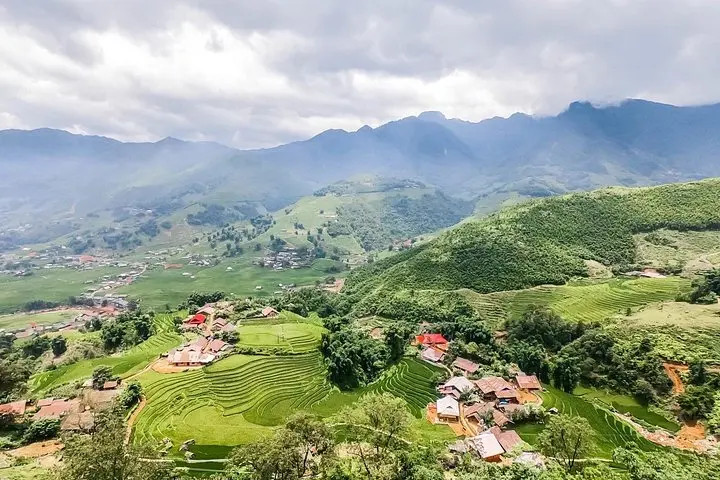
Dawn shaves the mountain ridges in muted gold as the sleeper bus eases into Sapa town. Cold air presses against your jacket; terraced paddies fan out below like carved steps. Over three days the trail drops and climbs along Muong Hoa Stream, threading Black H’mong and Red Dao villages where children run the narrow paths and women in embroidered dress trade smiles for snacks.
Verified experiences and guided adventures in the surrounding area.
Operated by Authentic HALONG · Sapa, Lao Cai
Dawn shaves the mountain ridges in muted gold as the sleeper bus eases into Sapa town. Cold air presses against your jacket; terraced paddies fan out below like carved steps. Over three days the trail drops and climbs along Muong Hoa Stream, threading Black H’mong and Red Dao villages where children run the narrow paths and women in embroidered dress trade smiles for snacks.
This route follows a history of upland farming and cross-cultural trade: the Hoang Lien Son range that frames Sapa was shaped by tectonic uplift and erosion, leaving steep valleys and stone staircases that shepherd water into rice beds. French-era villas and market stalls mark the town; beyond them, villages keep traditional houses, oral crafts and weaving techniques alive.
Expect mixed terrain: dirt tracks, stone steps, bamboo forest, and slippery slopes after rain. Typical daily walking ranges from 6–12 km with cumulative elevation changes up to about 400–600 m over the trek sections; Sapa town sits near 1,500–1,600 m elevation while Fansipan towers beyond at 3,143 m.
Practical guidance: bring waterproof footwear and a light daypack, pace yourself over uneven stairs, and carry cash for homestay purchases. Meals are included on the tour, but try local sticky rice and mountain herbs in village kitchens. Respect local customs—ask before photographing people—and allow extra time for weather-driven delays.
This itinerary balances cultural immersion (one night in a Ta Van homestay) with comfort (one hotel night in Sapa), making it a good option for travelers who want an accessible but authentic highland trek.
Daily walking sections are moderate: expect uneven stone steps and dirt trails, typically 6–12 km of walking spread over the day with some short, steep sections.
The tour includes sleeper bus transfers Hanoi–Sapa–Hanoi, 1 night in a Ta Van homestay and 1 night in a Sapa hotel, meals listed in the itinerary, local guide, entrance fees and land transfers in Sapa.
Homestays are rustic—shared bathrooms, basic bedding and simple hot water options vary; bring small change for extras and any personal toiletries you need.
This itinerary is not recommended for travelers with significant spinal or cardiovascular conditions due to trekking terrain and altitude; consult your doctor before booking.
Authentic HALONG operates guided outdoor trips and adventures with an emphasis on safety, stewardship, and memorable experiences.

Dawn shaves the mountain ridges in muted gold as the sleeper bus eases into Sapa town. Cold air presses against your jacket; terraced paddies fan out below like carved steps. Over three days the trail drops and climbs along Muong Hoa Stream, threading Black H’mong and Red Dao villages where children run the narrow paths and women in embroidered dress trade smiles for snacks.
Dawn shaves the mountain ridges in muted gold as the sleeper bus eases into Sapa town. Cold air presses against your jacket; terraced paddies fan out below like carved steps. Over three days the trail drops and climbs along Muong Hoa Stream, threading Black H’mong and Red Dao villages where children run the narrow paths and women in embroidered dress trade smiles for snacks.
This route follows a history of upland farming and cross-cultural trade: the Hoang Lien Son range that frames Sapa was shaped by tectonic uplift and erosion, leaving steep valleys and stone staircases that shepherd water into rice beds. French-era villas and market stalls mark the town; beyond them, villages keep traditional houses, oral crafts and weaving techniques alive.
Expect mixed terrain: dirt tracks, stone steps, bamboo forest, and slippery slopes after rain. Typical daily walking ranges from 6–12 km with cumulative elevation changes up to about 400–600 m over the trek sections; Sapa town sits near 1,500–1,600 m elevation while Fansipan towers beyond at 3,143 m.
Practical guidance: bring waterproof footwear and a light daypack, pace yourself over uneven stairs, and carry cash for homestay purchases. Meals are included on the tour, but try local sticky rice and mountain herbs in village kitchens. Respect local customs—ask before photographing people—and allow extra time for weather-driven delays.
This itinerary balances cultural immersion (one night in a Ta Van homestay) with comfort (one hotel night in Sapa), making it a good option for travelers who want an accessible but authentic highland trek.