THE ADVENTURE COLLECTIVE® · Independent discovery and booking for outdoor travel

A compact, cultural trek through Sapa’s famed rice terraces with one night in a hill-tribe homestay and a second in town. Expect forested paths, village exchanges, and easy to moderate walking across panoramic valley views.
A compact, cultural trek through Sapa’s famed rice terraces with one night in a hill-tribe homestay and a second in town. Expect forested paths, village exchanges, and easy to moderate walking across panoramic valley views.
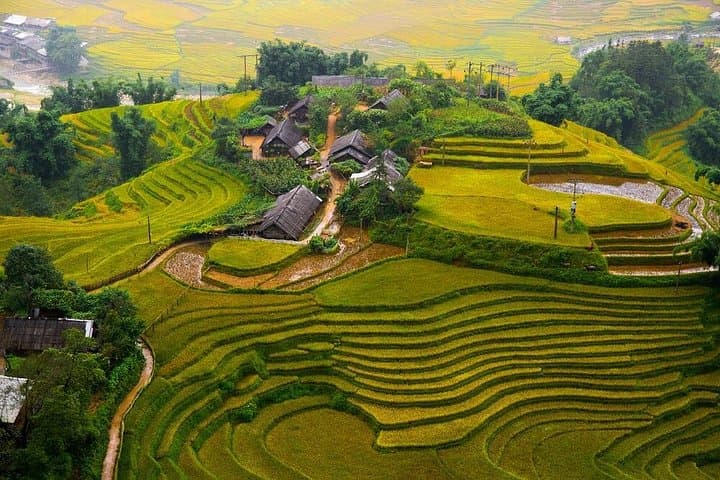
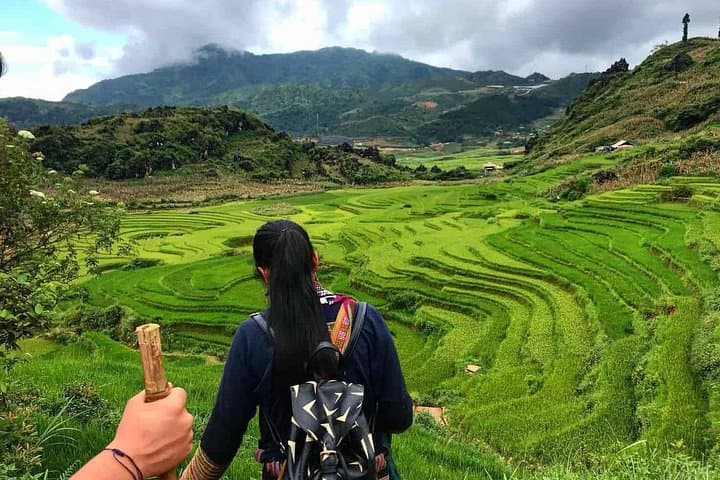
You step off the bus and the air feels thinner, edged with wet earth and the distant scrape of a waterfall. Sapa town sits like a highland outpost under the Hoang Lien Son range; terraces fold down the valley and local women in stitched indigo skirts move like punctuation across the fields.
Verified experiences and guided adventures in the surrounding area.
Operated by Asia Travel Legend · Sapa, Lao Cai Province
You step off the bus and the air feels thinner, edged with wet earth and the distant scrape of a waterfall. Sapa town sits like a highland outpost under the Hoang Lien Son range; terraces fold down the valley and local women in stitched indigo skirts move like punctuation across the fields.
This three-day itinerary traces that human-landscape conversation: a 9 km first-day trek from Y Linh Ho through Muong Hoa stream to Lao Chai and Ta Van, a shorter second-day walk into Giang Ta Chai and Cat Cat village, then a return to Hanoi by evening on day three. The route crosses rice terraces, bamboo groves, and a French-era hydro site — reminders of layered history where H’Mong, Dzao and Tay communities have farmed these slopes for generations.
Geologically, the Hoang Lien Son uplift gives Sapa its steep ridges and fast-draining soils; weather can change quickly at the ~1,500 m elevations so plan for rain and fog.
Practically: expect uneven dirt trails with short, sharp climbs rather than long technical gains; the longest walking day is about 3–4 hours over 9 km. Bring sturdy shoes, a rain shell, and a small daypack for water and snacks. Hydrate early, pace on the terraces, and allow extra time for photos and village stops.
Accommodation alternates a community homestay—basic comforts, local meals—and a simple hotel night in Sapa town. Respect household rhythms, ask before photographing, and tip modestly for hosting. The trip is accessible for reasonably fit travelers seeking culturally rich, low-impact mountain trekking.
Daily walks are generally 2–4 hours over uneven terrain with short climbs—suitable for moderately fit travelers; no technical climbing required.
Homestays are basic but clean: shared bathrooms and simple meals prepared by the family; electricity and hot water vary by house.
Sapa sits around 1,500 m; most travelers experience only mild effects—drink water and avoid overexertion the first day.
Local meals listed on the itinerary are included for the 3-day tour; additional beverages, snacks, or special requests are paid locally.
Asia Travel Legend operates guided outdoor trips and adventures with an emphasis on safety, stewardship, and memorable experiences.


You step off the bus and the air feels thinner, edged with wet earth and the distant scrape of a waterfall. Sapa town sits like a highland outpost under the Hoang Lien Son range; terraces fold down the valley and local women in stitched indigo skirts move like punctuation across the fields.
You step off the bus and the air feels thinner, edged with wet earth and the distant scrape of a waterfall. Sapa town sits like a highland outpost under the Hoang Lien Son range; terraces fold down the valley and local women in stitched indigo skirts move like punctuation across the fields.
This three-day itinerary traces that human-landscape conversation: a 9 km first-day trek from Y Linh Ho through Muong Hoa stream to Lao Chai and Ta Van, a shorter second-day walk into Giang Ta Chai and Cat Cat village, then a return to Hanoi by evening on day three. The route crosses rice terraces, bamboo groves, and a French-era hydro site — reminders of layered history where H’Mong, Dzao and Tay communities have farmed these slopes for generations.
Geologically, the Hoang Lien Son uplift gives Sapa its steep ridges and fast-draining soils; weather can change quickly at the ~1,500 m elevations so plan for rain and fog.
Practically: expect uneven dirt trails with short, sharp climbs rather than long technical gains; the longest walking day is about 3–4 hours over 9 km. Bring sturdy shoes, a rain shell, and a small daypack for water and snacks. Hydrate early, pace on the terraces, and allow extra time for photos and village stops.
Accommodation alternates a community homestay—basic comforts, local meals—and a simple hotel night in Sapa town. Respect household rhythms, ask before photographing, and tip modestly for hosting. The trip is accessible for reasonably fit travelers seeking culturally rich, low-impact mountain trekking.